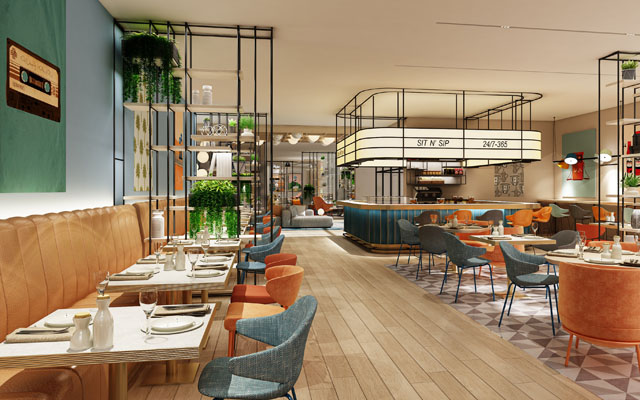
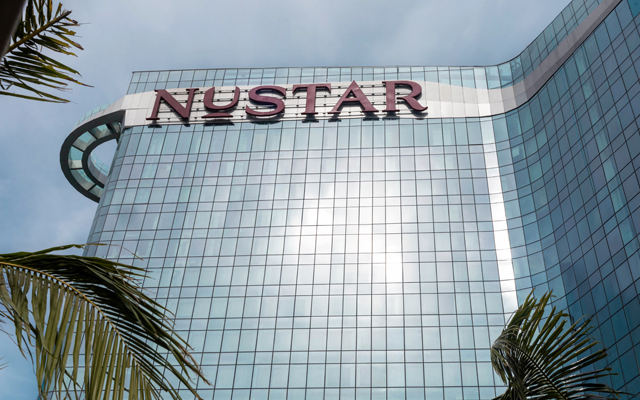
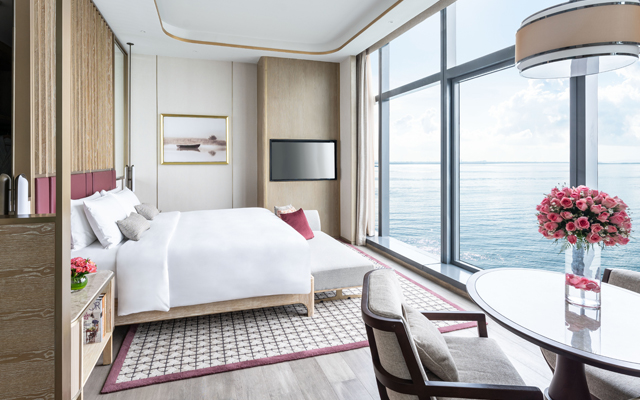
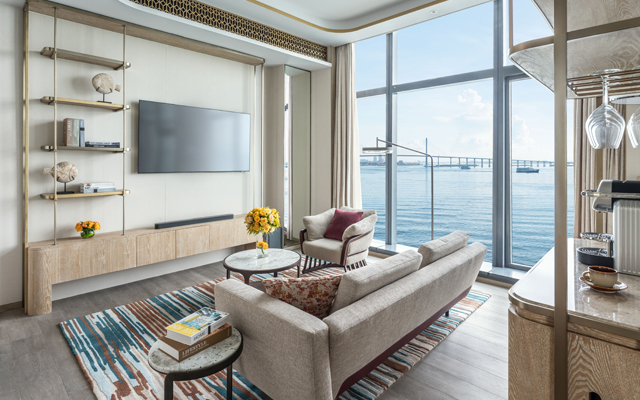
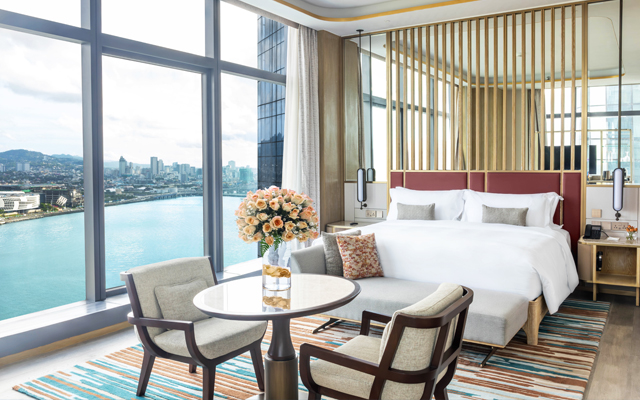
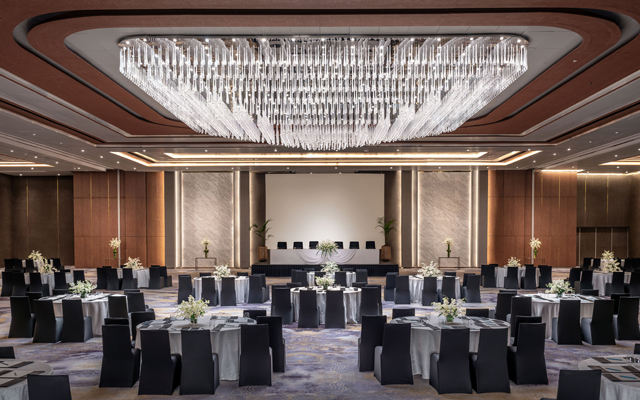
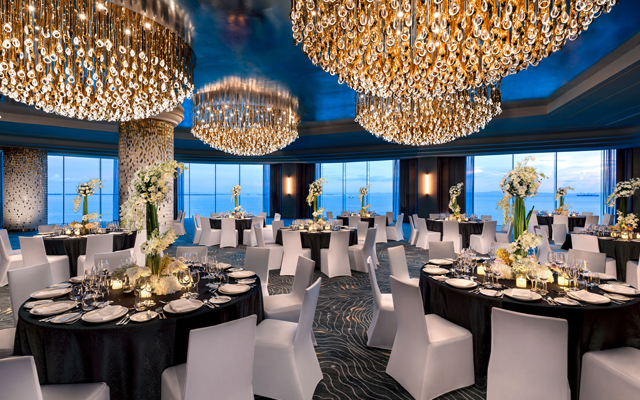
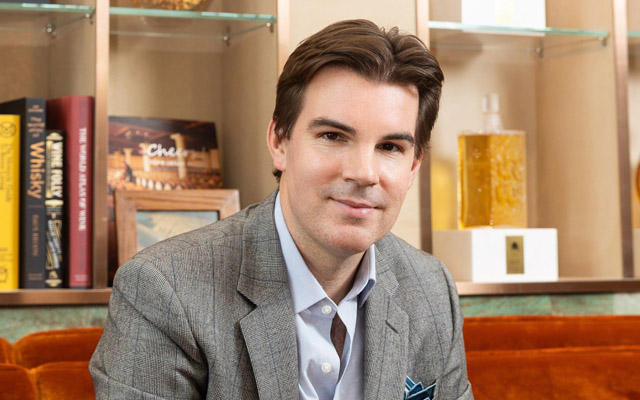
Naowarat Arunkong has been named as the general manager of the upcoming NH Bangkok Sukhumvit Boulevard, the first NH Hotels & Resorts property in Bangkok.
Her expertise in hotel pre-opening, rebranding and repositioning will be instrumental in successfully transitioning Boulevard Hotel Bangkok to NH Bangkok Sukhumvit Boulevard.
Having been with Minor Hotels since 1999, she most recently served as cluster general manager for Anantara Hua Hin Resort and Avani+ Hua Hin Resort.
With tourism on track to return to pre-pandemic levels by the end of the year, UN Tourism secretary-general Zurab Pololikashvili has highlighted the importance of looking beyond recovery and instead to focus on making tourism a force for positive change in a way that benefits both the environment and local communities.
Speaking at the recent G20 Tourism Ministers’ meeting in Belém, Brazil, Pololikashvili’s message emphasised empowering local communities, taking meaningful action on climate issues, and adopting sustainable economic practices that prioritise nature and circularity.
The tourism industry needs to prioritise climate action and community empowerment to ensure its long-term success and resilience
Global tourism has been steadily recovering from the Covid-19 pandemic, with data showing that international tourist arrivals in the 1H2023 have reached 80 per cent of 2019 levels. Some regions, particularly the Middle East and Europe, are even surpassing these figures. However, areas like Asia and the Pacific are seeing a more gradual return due to ongoing travel limitations. This recovery reinforces tourism’s crucial role in driving global economic growth, creating jobs, and fostering development in regions that rely heavily on the industry.
“Tourism thrives on the stability of the climate, biodiversity, and the sustainable use of natural resources,” Pololikashvili remarked. “Without urgent climate action, the future of tourism, along with the communities and ecosystems that rely on it, is at risk.”
Pololikashvili also stressed that tourism’s true potential lies in its ability to not only generate employment but also bring diverse cultures together. However, for tourism to evolve into a more sustainable and inclusive sector, new approaches are needed. This includes innovative governance that centres local communities and environmental preservation in decision-making, as well as stronger collaboration between governments and various stakeholders.
This appeal marks a critical juncture for the global tourism industry with a clear message: to ensure its long-term success and resilience, the sector must place climate action and community empowerment at its core.
Meliá Hotels International has inked an agreement with BB Group Hospitality to launch Meliá Hue Kobi Onsen Resort, its second hotel in the city following Meliá Vinpearl Hue.
Currently known as Kobi Onsen Resort Hue, the property will undergo a rebranding process over the next 12 months, emerging as Meliá Hue Kobi Onsen Resort next year.
Meliá Hue Kobi Onsen Resort boasts a traditional onsen with indoor and outdoor hot spring baths
The 155-key hot spring resort is located on the outskirts of Vietnam’s former capital, close enough to explore the Imperial City but far enough away to reap the benefits of the property’s serene and healing setting.
Tapping into the natural mineral-rich hot springs of My An, the main draw of this resort is its broad range of curative waters, along with wellness facilities and treatments that draw inspiration from the region.
The resort features a range of well-being facilities, including a steam bath, soda bath, dry sauna, Himalayan salt sauna, and a traditional onsen with indoor and outdoor hot spring baths separated by gender. Wellness treatments integrate oriental medicine and massage practices once used by the royal family in Hue, as well as herbal treatments used by the Red Yao people, who are renowned for their healing herbal baths.
Onsite are dining venues, Japanese-style gardens, the largest koi pond in Hue, an outdoor swimming pool, fitness centre, and golf simulator.
The property is a 30-minute drive from Phu Bai International Airport and less than 15-minutes from the UNESCO-designated Complex of Hue Monuments.
“Through properties like Kobi Onsen Resort Hue, we are helping raise awareness of the importance of living a balanced life while also showing our passion for caring for all our guests’ well-being on a holistic level,” said Ignacio Martin, management director for Meliá Hotels International in the APAC region.
For the upcoming Golden Week holiday in October, Trip.com Group’s latest data has revealed notable travel flows for China travellers since the last major travel period of 2024, with more Chinese tourists keen to explore lesser-known destinations.
Trip.com Group is witnessing hotel bookings peak in arrivals on October 1 – the day the holiday commences – with an average length of stays over seven days, as workers can enjoy a 10-day break by taking just two days off. Total booking growth for stays has also grown year-on-year.
More Chinese travellers are looking to travel to further destinations
Travel costs to the top outbound destinations (Japan, Thailand, South Korea, Malaysia, Vietnam, Singapore, the Philippines, Australia, the UK, and the USA) have all seen a significant drop in average air ticket prices.
For accommodation, more travellers are seeking high-quality, mid-tier lodging types; in Europe, however, year-on-year growth of five-star hotel bookings was almost three times higher than in Asia-Pacific.
Longhaul destinations on the rise
A significant shift towards longhaul destinations can be seen this year, with Australia, the US, New Zealand, the UK, France, and Spain topping the list of most sought-after longhaul destinations by Chinese travellers.
Longhaul flights have also seen an increase compared to pre-pandemic levels in 2019.
European destinations like the UK, Spain, Germany, and Italy are seeing significantly longer stays, surpassing 10 to 14 days. In Europe, more than 30% choose multi-destination itineraries, reflecting a growing trend to maximise longhaul travel. Meanwhile, in Asia-Pacific, nearly 80% of Chinese travellers opt for single-destination trips.
Additionally, travellers plan further in advance, with visa applications submitted an average of 68 days before the holiday – 29 days earlier than last year. The top countries for National Day visa applications include Japan, South Korea, Australia, the US, Vietnam, New Zealand, the UK, France, and Spain.
The growth rate of inbound tourism has also been encouraging, with an increase in bookings. Nine out of 10 of the top outbound destinations were also the top inbound source markets, highlighting the two-way nature between outbound and inbound tourism for China.
Lesser-known destinations spark travel flows in Europe and Asia
With overtourism as one of the challenges for key destinations around the world, Chinese travellers have increasingly been drawn to quieter, off-the-beaten-path locations this Golden Week, particularly in the Asia-Pacific and Europe regions.
Japanese cities off the main circuit of Tokyo-Osaka-Kyoto, like Yokohama, Takayama and Ito, showed three-digit booking growth, underscoring this trend. Additionally, nature and wellness tourism saw a rise, with Phu Quoc Islands in Vietnam and the hot spring town of Higashiizu in Japan becoming popular for their scenic landscapes and wellness experiences.
European destinations such as Granada and Seville also captured significant attention, with a 260% and 144% rise in bookings, respectively, reflecting a desire for greater cultural and historical immersion beyond key capitals.
Concerts and live entertainment fuel tourism charge
Live entertainment is playing a pivotal role in travel trends this season, with key concerts and events in the Asia-Pacific region happening during the October holiday. Moreover, over 75% of tourists visiting the this region are millennials, who have shown strong interest in events and concerts.
Around the holiday period, popular K-pop artists such as Taemin and Taeyang will captivate audiences in Hong Kong, alongside international acts such as John Legend and Ne-Yo. In Bangkok, girl group Aespa is a draw, while in South Korea, Busan’s Festival Shiwol blends entertainment, culture, and business in a massive event expected to draw 450,000 visitors.
In Singapore, hotels within three kilometres of concert venues have experienced a 214% increase in unique views compared to those farther away, as tourists seek proximity to venues such as Singapore Indoor Stadium, Gateway Theatre, and Capitol Theatre, where major concerts are scheduled.
Snowflake has launched the AI Data Cloud for travel and hospitality, uniting its data platform, artificial intelligence (AI) capabilities, and industry-specific solutions to deliver data insights for the industry.
As the travel and hospitality industry transitions from recovery to stable growth, businesses face new challenges and opportunities. In offering a unified platform that streamlines AI and machine learning development, Snowflake empowers airlines, hotels, cruise lines, and travel technology providers to harness their data’s full potential, improve operations, and power five-star customer experiences across the sector.
Snowflake empowers travel and hospitality businesses to harness their data’s full potential and improve operations
The AI Data Cloud for travel and hospitality addresses key industry trends and use cases, including dynamic pricing and sustainability tracking, developer efficiencies, reputation management, and performance advertising to help organisations across the industry both streamline operations and unlock new business value.
With Snowflake’s AI Data Cloud for travel and hospitality, businesses can build and optimise outcomes like hyper-personalised marketing, improved customer experience, loyalty and co-branded experiences, reliable and efficient operations, and maximised revenue management.
Snowflake’s ecosystem also facilitates seamless data enrichment via Snowflake Marketplace, allowing businesses to easily integrate and analyse third-party data sources such as weather patterns, economic indicators, and global events alongside their own data, enabling more comprehensive and better-informed decision-making in industries where external factors significantly impact operations and customer behaviour.
Whitnee Hawthorne, global head of travel and hospitality at Snowflake, commented: “Our AI Data Cloud for travel and hospitality provides the tools and capabilities needed to not only keep pace with evolving customer expectations, but also to drive innovation and operational excellence in this dynamic and competitive sector.”
Some of the largest travel and hospitality businesses around the world are already using Snowflake’s AI Data Cloud for travel and hospitality to democratise data access and drive collaboration.
“By creating a unified data foundation on Snowflake, we’re improving our ability to make data driven decisions and automate aspects of our business” said Raymond Boyle, vice president, data analytics and strategic insights, Hyatt. “From guest preferences to functional decision management, Snowflake empowers us to advance care and further enhance the guest experience.”
Rahul Todkar, head of data and AI at Tripadvisor, shared: “Snowflake has revolutionised how we collaborate with other brands in the ecosystem, allowing secure data sharing that benefits both our business and the broader travel industry. This comprehensive approach has not only streamlined our operations but also opened new avenues for growth and partnership.”
Nok Air and eSIM marketplace Airalo have partnered to simplify travel connectivity for the Thai budget airline’s passengers, allowing them to purchase Airalo eSIMs directly through the Nok Air website, ensuring convenient and affordable data connectivity while travelling.
The integration of Airalo eSIMs on the Nok Air website is now live.
The partnership will enable Nok Air’s customers to purchase Airalo eSIMs directly on the airline’s website
Airalo offers eSIMs for over 200 countries and regions worldwide, providing travellers with a hassle-free alternative to traditional SIM cards. With Airalo, travellers can easily download an eSIM to their smartphone and activate it upon arrival at their destination, eliminating the need to search for a local SIM card or rely on expensive roaming charges.
“We are thrilled to partner with Nok Air to offer their passengers a seamless and affordable way to stay connected while traveling,” said Melvin Ng, senior director of APAC Partnerships at Airalo.
Wutthiphum Jurangkool, CEO of Nok Air, added: “Partnering with Airalo allows us to offer a convenient and cost-effective solution for staying connected while exploring new destinations across the region.”
Banyan Tree Higashiyama Kyoto, Japan
Banyan Tree Higashiyama Kyoto is located in the heart of Kyoto’s historic Higashiyama Ward, offering guests 52 guestrooms, a spa, onsen, restaurant, bar, and a Noh stage.
Nestled on a hilltop just steps from the iconic UNESCO World Heritage Site, Kiyomizu-dera Temple, the hotel organises cultural explorations for guests to engage with traditions, such as witnessing the craftsmanship involved in creating Noh masks at the studio of a master artisan, and a private kōdō ceremony at Sennyū-ji Temple.
Swissôtel Nusantara
Swissôtel Nusantara, Indonesia
Situated in Indonesia’s future capital city, Nusantara, East Kalimantan, Swissôtel Nusantara is nestled within the lush greenery of Forest Park, nearby Presidential Palace and government districts.
Boasting 191 rooms and suites, the hotel features multiple swimming pools, gym, spa, restaurants, kids’ club and meeting venues.
Conrad Chongqing
Conrad Chongqing, China
Conrad Chongqing introduces an Oriental Floating City concept that blends local nature and culture, with 275 guestrooms that boast scenic views of the mountains.
Located in the Nan’an District, facilities include three restaurants, lobby bar, and over 2,000m² of versatile event spaces.
Hotel Indigo Bandung Dago Pakar
Hotel Indigo Bandung Dago Pakar, Indonesia
The 277-key Hotel Indigo Bandung Dago Pakar is just a 30-minute high-speed train ride from Jakarta, surrounded by tea plantations, lush forests, and natural waterfalls.
Nearby attractions include the city’s botanical gardens, Taman Hutan Raya Juanda, Tebing Keraton, and Djuanda Forest Park.
The hotel has a main restaurant, lounge, and a rooftop restaurant and bar that will open later this year, with amenities including a rooftop infinity pool, kids’ club, nine meeting rooms and a Grand Ballroom.
In its continuing effort to improve the quality of Philippine tourism, the Department of Tourism (DoT) has crafted three national standards for tourist accommodation, dental tourism, and campgrounds and glamping to be implemented this year.
All three standards have to be complied with for voluntary accreditation with DoT, said Virgilio Maguigad, director of DoT’s office of tourism standards and regulation, in a presentation at the recent 7th Hospitality Philippines Conference 2024.
Maguigad: properties can use their compliance with the objective standards for their marketing
The properties can use their compliance with the objective standards for their marketing as confusion arises when OTAs publish subjective tourist reviews. Another edge is that properties have to be accredited to be marketed abroad by the DoT, Maguigad emphasised.
Taking effect in November, the new National Accommodation Standards rate hotels from one to five star using seven yardsticks, including the entire guest experience from arrival to departure, Filipinisation, digitisation, and sustainability. Incognito third party assessors from the industry, including general managers and housekeepers, will check the properties to ensure an objective assessment.
The Dental Tourism Standards in collaboration with the Philippine Dental Association was already released in February and includes guidelines on cleanliness, safety, location, and requirements for restrooms. A clinic concierge is required for dental procedures such as cosmetic dentistry, dental implantology, orthodontics, endodontics and prosthodontics.
Maguigad said dental tourism was previously lumped with spa and ambulatory clinics, but that they are working on new standards for the Filipino brand of spa and wellness establishments.
The pioneering national standards for accrediting campgrounds, including glamping, will take effect in November, a first in South-east Asia.
Campgrounds, including camping tents and glamping, are considered forms of accommodation popular among adventure travellers but are not covered by the national accommodation standards, Maguigad explained.
Provisions include having certified first-aiders, safety staff training on safety and security, availability of communication devices for internal and external communication, emergency information and plans, and others.
Meliá Chiang Mai in Thailand is taking in culinary students from Suan Dusit University in Lampang, Chiang Mai University, and Rajamangala University of Technology Lanna Tak to provide education on sustainable farming, culinary and waste management practices.
Through this partnership with the three Thai universities, the hotel invites participating students to experience its 360° Cuisine programme, which works towards carbon reduction and food resilience through local farmers. The hotel sources vegetables, fruit, herbs, cage-free eggs, sterilised fresh milk, artisanal cheese, honey and more from a network of nearby ethical and chemical-free suppliers, such as gourmet organic farms Seed and Rong Khum as well as Jartisann Cheeserie and Supha Bee Farm.
Meliá Chiang Mai aims to educate culinary students on sustainable farming, culinary and waste management practices
The 360° Cuisine programme is spearheaded by Meliá Chiang Mai’s executive chef Suksant (Billy) Chutinthratip. Suksant and his team abide by a farm-to-plate approach to food preparation, where a “thoughtful cooking process” is carried out to use as much of their harvest as possible before food waste is returned to the farms as fertiliser.
Since the 360° Cuisine programme’s inception in 2022 until July this year, the hotel has processed more than 5,590kg of leftover food as compost and fertiliser and more than 1,820kg of cooking oil as biodiesel fuel.
To understand the 360° Cuisine programme, students visit Seed and Rong Khum organic farms to learn about sustainable agriculture, spend time in the hotel’s kitchens to see sustainable practices in action, and reference case studies prepared by Suksant.
Each batch of interns are expected to spend three to five months with the hotel, with the duration dependent on their course requirements.
Commenting on the educational initiative, Suksant said it was “incredibly rewarding” to see the students learn and appreciate the hotel’s sustainability efforts.
“Students hold the key to long-term changes benefitting the health of our guests, community and environment,” he said.
In response to TTG Asia’s query on employment opportunities with the hotel upon completion of the training programme, Suksant said: “Currently, we are open to all candidates interested in joining our team. Our selection process prioritises those who demonstrate a sustainability mindset.”
He added that the hotel had previously hired some interns “who shared our passion for sustainability” upon graduation. These students took up earlier internship opportunities that Meliá Chiang Mai established with universities and colleges in Northern Thailand since June 2023.
“We started the graduates in casual kitchen-hand positions, as they graduated right as we experienced more demand for kitchen staff on the back of (increased) occupancy and our F&B requirements. The timing was perfect,” he added.
Hot on the heels of the collaboration with the three Thai universities, the hotel signed a Memoranda of Understanding with Ayutthaya Vocational College and Bungphra Phitsanulok Commercial College on September 18. This will see the hotel furthering its investment in talent development, especially in the area of sustainable culinary practices.
Top-tier loyalty members of Ascott Star Rewards (ASR) had the opportunity to catch the Formula 1 (F1) Singapore Airlines Singapore Grand Prix 2024 as part of the Ascott Privilege Signatures programme launched earlier this year by Ascott to reward its top-spending guests.
The programme leverages high profile sports events and offers exclusive experiences in destinations where Ascott is present. The inaugural event was held in London where members had VIP access to the The Championships, Wimbledon 2024 for a day.
Ascott Star Rewards members were treated to a bird’s eye view of the race track below from the balcony of the Ascott Privilege Signatures Lounge at the Singapore Flyer (Photo: Audrey Ng)
“With sports tourism gaining significant mass appeal as travellers prioritise experiential travel, the Singapore Night Race is one significant event that blends a love for sports with travel adventures. By inviting our loyalty members to attend this premier sporting and entertainment event, we hope to reward them with the exclusive experiences that they seek,” said Tan Gan Hup, vice president, loyalty and partnerships, Ascott.
For this year’s Night Race event, members were hosted at Ascott Privilege Signatures Lounge at the Singapore Flyer. Located on the second floor of the Singapore Flyer building, members were treated to a bird’s eye view of the race track below from the balcony of the Signatures Lounge, as well as iconic landmarks of Singapore including Gardens by the Bay and Marina Bay Sands in the background. A selection of complimentary gourmet food featuring local flavours and beverages was provided as well.
Apart from the Ascott Privilege Signatures Lounge, members had access to the entire F1 race circuit, which included access to the concerts and F1 Village, as well as complimentary rides on the Singapore Flyer.
While only the second event, feedback has been positive.
“We have received very positive feedback from members on the enhanced benefits of the Ascott Star Rewards programme, especially with the introduction of these experiences as part of Ascott Privilege Signatures. Members acknowledge and appreciate the effort that Ascott has made to not just celebrate loyalty, but also connect with members on a much deeper level through these events,” shared Tan.
Ascott has also announced its next Signatures event – exclusive experiences with Chelsea Football Club, following its appointment as official Global Hotels Partner of Chelsea Football Club.
Ascott will bring The Famous CFC and Chelsea football legend Gianfranco Zola to Singapore at the end of this year. The Famous CFC is a global fan experience created by Chelsea to strengthen connections with its fans around the world, and to help connect partners and brands within international markets.
“Since becoming Chelsea’s Official Global Hotels Partner in July, Ascott has been dedicated to bringing Chelsea fans closer to their beloved football heroes, such as through exclusive hospitality packages at the Ascott Privilege Signatures Stadium Lounge at Stamford Bridge and creative social media content,” said Tan Bee Leng, chief commercial officer, Ascott.
ASR members will get the opportunity to attend a watch party of a match between Chelsea and Aston Villa on December 1, football coaching clinics, a meet-and-greet with Zola, and chances to win prizes and merchandise.
Other plans in the pipeline of the Ascott Privilege Signatures programme include events around gourmet and entertainment.
With tourism on track to return to pre-pandemic levels by the end of the year, UN Tourism secretary-general Zurab Pololikashvili has highlighted the importance of looking beyond recovery and instead to focus on making tourism a force for positive change in a way that benefits both the environment and local communities.
Speaking at the recent G20 Tourism Ministers’ meeting in Belém, Brazil, Pololikashvili’s message emphasised empowering local communities, taking meaningful action on climate issues, and adopting sustainable economic practices that prioritise nature and circularity.
Global tourism has been steadily recovering from the Covid-19 pandemic, with data showing that international tourist arrivals in the 1H2023 have reached 80 per cent of 2019 levels. Some regions, particularly the Middle East and Europe, are even surpassing these figures. However, areas like Asia and the Pacific are seeing a more gradual return due to ongoing travel limitations. This recovery reinforces tourism’s crucial role in driving global economic growth, creating jobs, and fostering development in regions that rely heavily on the industry.
“Tourism thrives on the stability of the climate, biodiversity, and the sustainable use of natural resources,” Pololikashvili remarked. “Without urgent climate action, the future of tourism, along with the communities and ecosystems that rely on it, is at risk.”
Pololikashvili also stressed that tourism’s true potential lies in its ability to not only generate employment but also bring diverse cultures together. However, for tourism to evolve into a more sustainable and inclusive sector, new approaches are needed. This includes innovative governance that centres local communities and environmental preservation in decision-making, as well as stronger collaboration between governments and various stakeholders.
This appeal marks a critical juncture for the global tourism industry with a clear message: to ensure its long-term success and resilience, the sector must place climate action and community empowerment at its core.