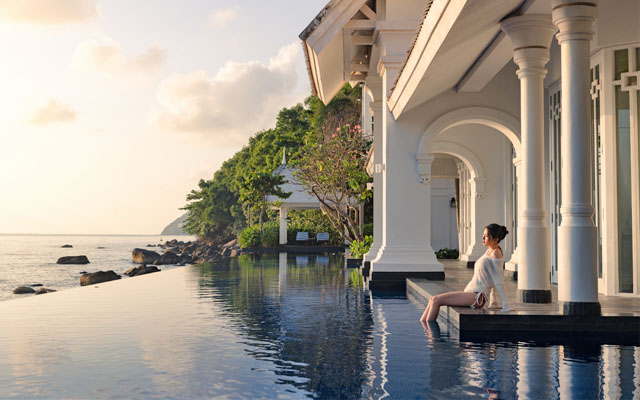
Wyndham Hua Hin Pranburi Resort & Villas has launched the Pranburi Green Retreat package, combining accommodation with a choice of complimentary nature, wellness or dining experiences.
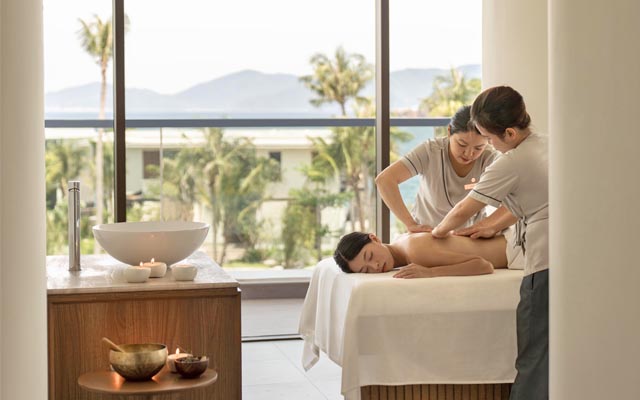
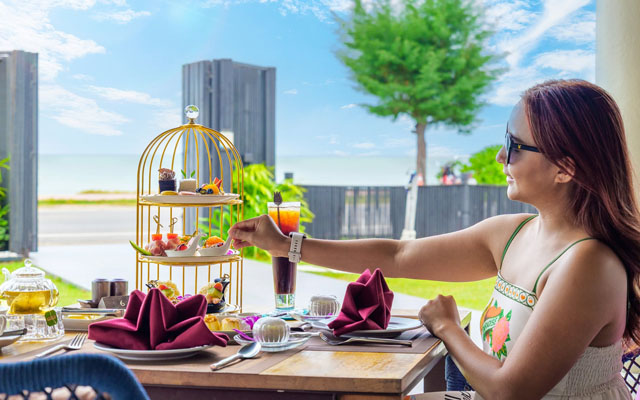
Guests booking a minimum two-night stay can select one experience, including a boat excursion to the “Kissing Rock” formation in Khao Sam Roi Yot National Park, a seaside massage for two at Blue Lotus Spa, or afternoon tea for two.
Guests booking Wyndham Hua Hin Pranburi’s Green Retreat package can choose from a boat trip to Kissing Rock, a spa treatment or afternoon tea as part of their stay
Available for bookings and stays until June 30, 2026, the package is priced from 2,880 baht (US$89) per night and includes daily breakfast for two.
The resort is also offering a “third person stays free” benefit, including complimentary breakfast, making the package suitable for families and small groups.
Located 25km from Hua Hin, the resort features tennis courts, swimming pools, a fitness centre, basketball court, surf skate park, archery range, beach volleyball and pickleball courts, a kids’ club and complimentary bicycle rentals.
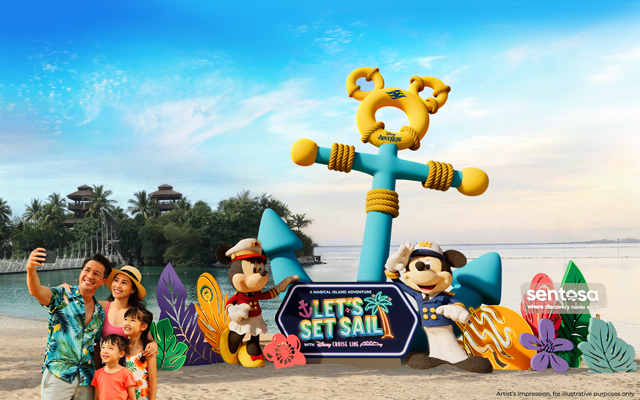
Sentosa Development Corporation and Disney Cruise Line have launched A Magical Island Adventure: Let’s Set Sail with Disney Cruise Line, a three-month event that will transform Sentosa with Disney-themed experiences from June 24 to September 20, 2026.
Inspired by the seven themed areas aboard the Disney Adventure cruise ship, the event features installations, discovery trails, character-themed displays and interactive experiences across locations including Sensoryscape, Palawan Beach, Central Beach Bazaar, the Singapore Cable Car – Sentosa Line and the Southernmost Point of Continental Asia.
Sentosa will feature themed installations, discovery trails and night-time experiences inspired by the Disney Adventure cruise ship; photo by Sentosa Development Corporation
Visitors can collect medallion stamps through an island-wide passport programme while exploring themed zones inspired by Disney, Pixar and Marvel stories. Highlights include themed cable car cabins, a Disney-themed Sentosa Express train, illuminated night-time installations and family-friendly activity areas.
For the first time, the Southernmost Point of Continental Asia will extend its operating hours until 22.00 as part of a dedicated evening programme featuring illuminated displays inspired by Finding Nemo, The Little Mermaid, Lilo & Stitch and Moana.
The event also includes themed merchandise, food and retail activations, as well as exclusive benefits for guests sailing aboard Disney Adventure between June 24 and October 1, 2026.
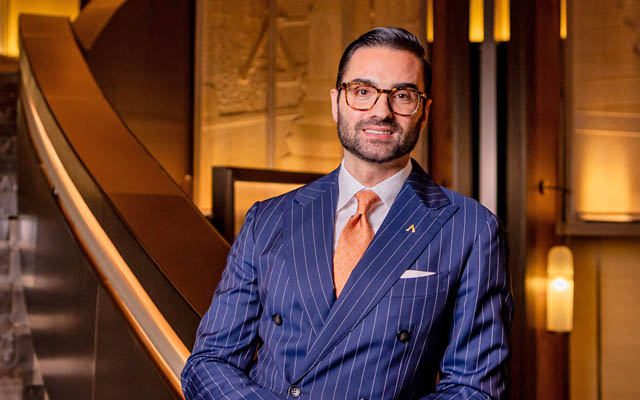
Nicola Coccia has been appointed general manager of Conrad Bangkok. He joins from Conrad Seoul, where he most recently served as hotel manager.
Previously, he was director of operations at Conrad Osaka. This marks his first general manager role within Hilton and a return to Conrad Bangkok, where he began his career with the brand.
The Hong Kong Tourism Board (HKTB) is enhancing major events such as the Mid-Autumn Festival and Halloween as part of efforts to attract more leisure, MICE and bleisure visitors and encourage longer stays.
The strategy includes extending event periods and operating hours, while adding new experiences designed to increase visitor spending and engagement.
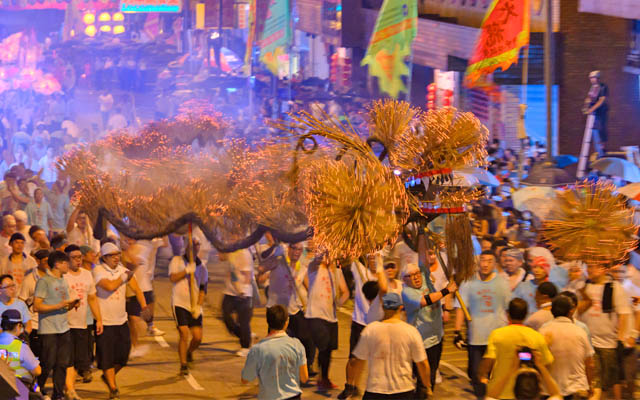
The Tai Hang Fire Dragon Dance remains one of Hong Kong’s most iconic Mid-Autumn Festival traditions; photo by Matt Leung
A HKTB spokesperson said the tourism board is strengthening promotions around major Chinese and Western festivals to create new tourism opportunities.
For the annual Mid-Autumn Festival, HKTB will enhance the Tai Hang Fire Dragon Dance with additional cultural content and immersive experiences. The aim is to attract visitors from North Asian markets that have strong cultural connections with the festival while reinforcing Hong Kong’s position as a cultural destination.
The spokesperson said: “By deepening its festive appeal, HKTB aims to attract visitors from high-potential North Asian markets who share a strong cultural resonance with the festival, ultimately fortifying Hong Kong’s role as an East-meets-West cultural hub and driving visitor spending.”
October will also see the introduction of a month-long Halloween campaign themed around cosplay. Targeting the Chinese mainland and shorthaul markets, HKTB will work with industry partners to develop citywide celebrations and experiences.
Anthony Chan, managing director of King Star Travel, welcomed the initiative.
“Traditional peak season begins in October so they offer (an) add-on experience and bigger impact to visitors,” he said, adding that while it may attract shorthaul travellers who can make a quick decision to visit, longhaul travellers are unlikely to travel solely for these festivals as they usually book their trips a year in advance.
Cecilia Leung, founder and chief foodie officer of Hong Kong Foodie Tasting Tours, said authentic cultural experiences continue to resonate strongly with visitors.
“We don’t necessarily have direct experiences in how these two new mega events might drive inbound travellers. However, I can share our experience with Mid-Autumn Festival activities in prior years,” she said.
“Last year, we brought our guests to the Tai Hang Fire Dragon Dance, one of Hong Kong’s most iconic Mid-Autumn Festival traditions. With an experienced guide bringing the history and significance of the dance to life, it offered a cultural experience that went well beyond the typical tourist visit. In our experience, these moments of authentic connection are consistently what guests remember most and what brings them back.”
Batam View Beach Resort will launch its inaugural Yang Sidjih Wellness Retreat from June 27 to 29. The three-day, two-night programme marks the resort’s first structured retreat designed to showcase its new Sidjih Wellness Village, which soft-opened in February.
Set within the resort’s 4.05-hectare property, which comprises 212 rooms and villas, the wellness village builds on Batam View Beach Resort’s sustainability credentials. The property was previously recognised among Indonesia’s top 20 green resorts by the Ministry of Tourism.
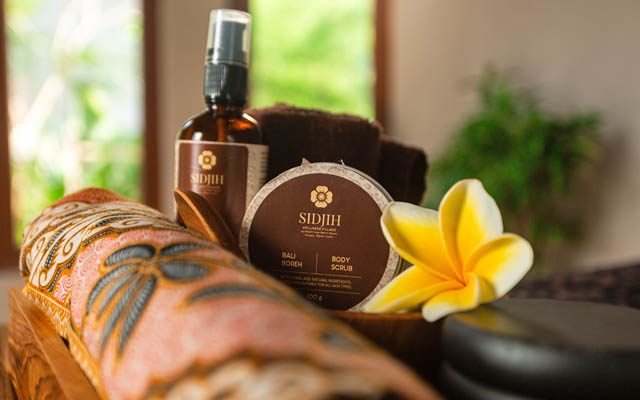
Sidjih Wellness Village at Batam View Beach Resort will host its first structured wellness retreat from June 27 to 29
Developed in partnership with Bali Mountain Retreat in Tabanan and led by founder Ratih Williams, Sidjih aims to offer an immersive wellness experience rather than traditional spa treatments.
Anddy Fong, general manager of Batam View Beach Resort, said the focus extends beyond traditional massage treatments to a broader wellness offering that includes sound healing, yoga, exercise programmes, facials, reflexology and cooking classes featuring ingredients from the resort’s organic farm.
The wellness village will operate under a two-pronged business model. Alongside its own wellness programmes, the resort plans to make the facilities available to international yoga instructors and wellness groups seeking to run retreats at the property.
Fong said the move reflects growing demand from nearby markets such as Singapore and Malaysia.
“I’ve been seeing this for a long time because of the logistics. For Singapore and Malaysia nearby, a high-speed society is a big market for us,” Fong explained. “It’s a ‘high-speed’ country, and we are the best to take them over here, give them some treatment, and send them back rejuvenated.”
Currently in its soft-opening phase, Sidjih Wellness Village operates seven treatment rooms, including two with jacuzzies and specialised suites.
Fong shared that the current facilities represent the first phase of the development, with plans for expansion if demand proves strong.
He said: “This is not the end. This is just the beginning.”
Fong stressed that the wellness village is intended to complement rather than replace the resort’s existing offerings. Batam View Beach Resort will continue to focus on its established business events and sports tourism segments, including cycling and running events.
Tourism stakeholders on Indonesia’s Belitung Island are hoping a new Scoot service from Singapore will help revive international visitor demand for the destination’s nature-based tourism experiences.
The route is Belitung’s only international air connection, linking the island to a wider network of regional and longhaul travellers through Singapore Changi Airport.
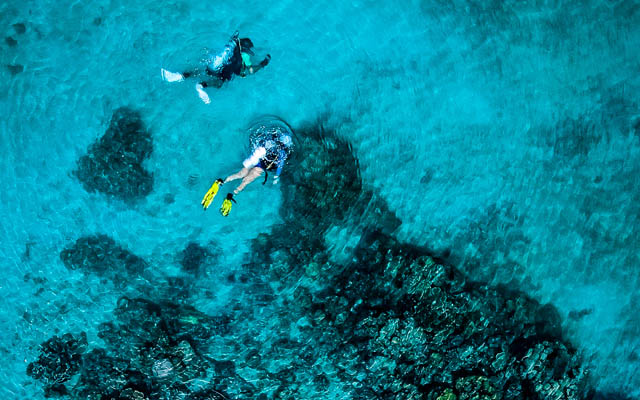
Snorkelling and island-hopping are among the nature-based experiences that tourism operators hope will attract more international visitors to Belitung
Industry players see the service as an opportunity to strengthen Belitung’s position as an alternative Indonesian destination focused on sustainable tourism. The island is home to the UNESCO-listed Belitong Geopark and a tourism-focused Special Economic Zone (SEZ), where tourism offerings focus on conservation and community participation.
“With its pristine beaches, unique granite landscapes and rich marine ecosystems, Belitung offers a distinctive alternative for travellers looking to explore an undiscovered side of Indonesia,” said Daniel Alexander Napitupulu, director of Tanjung Kelayang Reserve, part of the SEZ.
Two resorts currently operate within the reserve: Sheraton Belitung Resort and Billiton Eko Beach Retreat. The latter comprises four eco-villas, with six more under construction.
Napitupulu said the new service has already generated interest from travellers and trade partners, particularly from Singapore and nearby markets.
One of Belitung’s signature wildlife experiences is the opportunity to spot the endangered tarsier, one of the world’s smallest primates, found only in parts of Indonesia and the Philippines.
“For local operators, the new route means greater demand for curated nature experiences and raises the bar for service quality and responsible tourism,” said Jimie Afrian, community ranger and conservation advocate at Peramun Hill, where tarsier sightings are carefully managed to minimise disturbance to the animals.
Wakhyu Brata, senior guest relations manager at Bluemind Experience, which offers island-hopping and snorkelling excursions, believes Belitung’s appeal lies in its relatively low visitor numbers.
“Most first-time visitors are surprised by how uncrowded Belitung still is,” he said. “There is a strong sense of connection to the environment that feels very untouched and authentic.”
Royal Caribbean has officially welcomed Legend of the Seas to its fleet ahead of the vessel’s debut in the Mediterranean in July 2026.
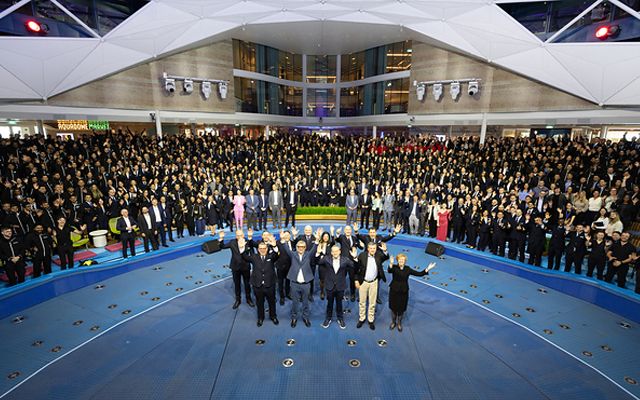
Built by Meyer Turku in Finland, the ship was officially handed over to Royal Caribbean following nearly two years of construction. The delivery ceremony was attended by executives from Royal Caribbean Group and Meyer Turku, as well as crew members and project partners.
Royal Caribbean celebrated the delivery of Legend of the Seas at the Meyer Turku shipyard in Finland ahead of the ship’s debut in July 2026
Legend of the Seas will debut in the Mediterranean this July, operating seven-night cruises from Barcelona and Rome (Civitavecchia). In November, the ship will reposition to Fort Lauderdale, Florida, for six-night Western Caribbean and eight-night Southern Caribbean itineraries, with calls at Perfect Day at CocoCay in The Bahamas.
The vessel will feature eight neighbourhoods, 28 dining venues, seven pools and a range of entertainment, recreation and accommodation options. New concepts include the Hollywoodland Supper Club, Royal Railway – Legend Station and AquaDome Market.
Family-focused attractions include Splashaway Bay, Baby Bay and the three-storey Ultimate Family Townhouse, while thrill-seeking guests will have access to attractions such as Crown’s Edge, Category 6 waterpark, FlowRider and Adrenaline Peak.
Legend of the Seas is Royal Caribbean’s fourth liquefied natural gas-powered ship and incorporates environmental technologies including waste heat recovery systems and shore power connectivity.
The delivery forms part of Royal Caribbean Group’s long-term shipbuilding agreement with Meyer Turku, which secures construction capacity through 2036 and includes future Icon Class vessels scheduled for delivery between 2028 and 2030.
Aw & Sons Capital has introduced Mber Co-Living & Serviced Apartments in Serangoon, describing it as Singapore’s first purpose-built co-living and serviced residence development.
Built on the former Lim Tua Tow Market site along Teck Chye Terrace, the property combines co-living rooms and serviced apartments with shared work, wellness and community spaces.
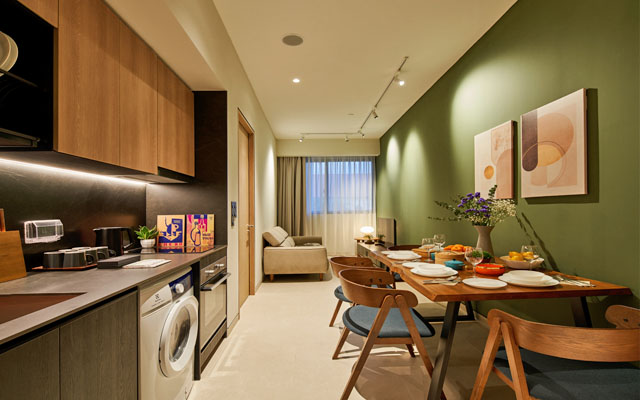
Mber’s kitchen, dining and living area combines residential comforts with communal living spaces
Designed by Formwerkz Architects, the development blends references to the former market with contemporary residential design. Interiors by Afternaut include communal spaces and flexible living areas for long-stay residents.
The property targets internationally mobile professionals, students and long-stay visitors seeking accommodation close to key employment and education hubs such as Seletar Aerospace Park, Punggol Digital District, the Australian International School and Stamford American International School.
Facilities include co-working areas, communal kitchens, libraries, games rooms, rooftop gardens and wellness spaces. Residents also have access to GYMber, a hybrid indoor-outdoor fitness facility featuring strength and endurance training areas, recovery facilities, an ice bath, infrared sauna and wellness pool.
Accommodation options include private en-suite co-living rooms and serviced apartments with three or four bedrooms. The development features 14 communal spaces designed for dining, work, recreation and relaxation.
The property also houses Mber Club, a membership platform that will host workshops, cultural programmes, wellness activities and community events for residents and members.
Josh Hu, managing director of Aw & Sons Capital, said: “Cities are full of buildings, but very few places. The places people remember are the ones where life naturally gathers, where conversations happen, ideas exchanged, and relationships form over time.
“When we started thinking about Mber Co-Living & Serviced Apartments, we weren’t just designing rooms or apartments. We were asking how a building could encourage that kind of everyday interaction.”
Amadeus and South Korean online travel platform Myrealtrip have signed a global agreement to expand their partnership and collaborate on technology and content development initiatives.
The agreement was formalised during a signing ceremony at Amadeus’ Singapore office and builds on the companies’ existing relationship.
The agreement will support AI-powered retailing, personalisation and the expansion of hotel and destination content
Under the partnership, Myrealtrip will deploy additional Amadeus technologies, including AI-powered solutions designed to support retailing, personalisation and operational efficiency. The companies will also work together on technology and consulting projects aimed at enhancing the customer experience.
A key focus of the agreement is the expansion of non-air content, including hotels and destination experiences, enabling Myrealtrip to broaden its product offering beyond flights.
The collaboration will also explore the use of Amadeus Hey!, the company’s traveller engagement platform, to support personalised communication and services before, during and after a trip.
According to the companies, the agreement is intended to support Myrealtrip’s growth plans while strengthening Amadeus’ role as a technology partner in the South Korean travel market.
Donggun Lee, CEO of Myrealtrip, said: “By collaborating closely on AI-driven capabilities, advanced search, and an expanded portfolio of non-air content, we are strengthening our technology capabilities as an AI-native travel platform to deliver greater scalability, personalisation and a more integrated travel experience for our customers as Myrealtrip continues to grow in (South) Korea and beyond.”
Renaud Nicolle, senior vice president, travel sellers, Asia-Pacific, Amadeus, added: “This agreement reflects our commitment to collaborate openly and support Myrealtrip’s next phase of growth. As AI continues to transform the travel ecosystem, we’re focused on enabling partners with the intelligent, connected capabilities needed to personalise experiences and drive smarter operations.”
JW Marriott Phu Quoc Emerald Bay Resort & Spa has launched the Own The Day package, offering guests a guaranteed late check-out that matches their arrival time.
The package is designed for travellers with afternoon and evening departures, allowing them to retain access to their room for a full 24-hour stay cycle. For example, guests checking in at 18.00 can remain in their room until 18.00 on their departure day.
JW Marriott Phu Quoc’s new package allows guests to check out at the same time as their original arrival, extending access to their room on departure day
The offer gives visitors additional time to enjoy the resort’s facilities before leaving Phu Quoc. Guests can make use of the Spa by JW, spend time at Khem Beach, enjoy water sports, or explore the resort’s architecture designed by Bill Bensley.
The extended stay also allows guests to dine at the resort’s restaurants and bars, including Tempus Fugit, Department of Chemistry Bar and Pink Pearl by Olivier E, before heading to the airport.
Located on Khem Beach in southern Phu Quoc, the resort features beachfront accommodation, dining venues and wellness facilities.


 Previously, he was director of operations at Conrad Osaka. This marks his first general manager role within Hilton and a return to Conrad Bangkok, where he began his career with the brand.