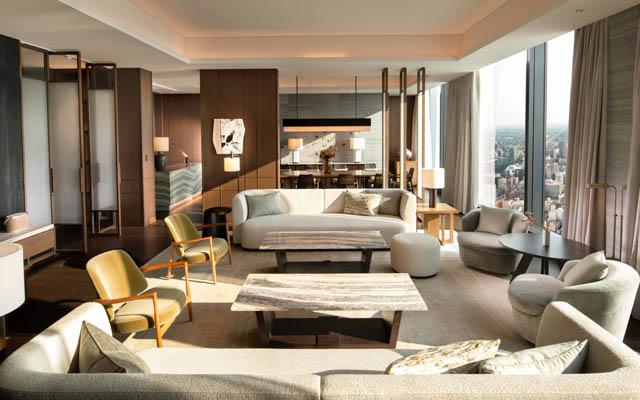
Tiger Resort, Leisure and Entertainment, Inc. (TRLEI), operator of Okada Manila, has appointed Nobuki Sato as its new president and chief operating officer, effective September 15, 2025.
Sato currently serves as senior executive officer and chief financial officer of Universal Entertainment Corporation and has been a member of the TRLEI Board of Directors since March 2023. He brings over 20 years of leadership experience in hospitality, finance and strategic operations.
Byron Yip, who has held the president and chief operating officer roles for seven years, will continue overseeing daily operations and support the leadership transition through September 2025.
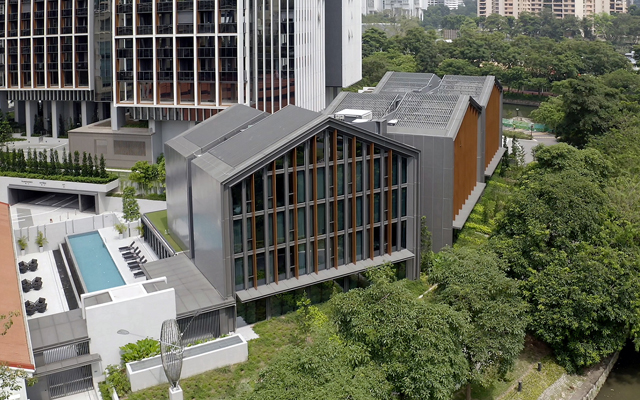
Shangri-La Singapore has named Yusuf Yaran as resident manager. With over 20 years of international experience in hotel operations and F&B management, he brings extensive expertise to the hotel.
In his new role, Yusuf will oversee daily operations across the hotel’s dining outlets, banquet services and three wings, leading a team of over 1,000 staff.
He joins from Shangri-La’s Tanjung Aru Resort & Spa in Kota Kinabalu, where he led operations and a team of over 700 colleagues. A member of the Shangri-La group since 2006, Yusuf has held leadership roles across Kuala Lumpur, Jakarta, Shanghai, Manila and Singapore.
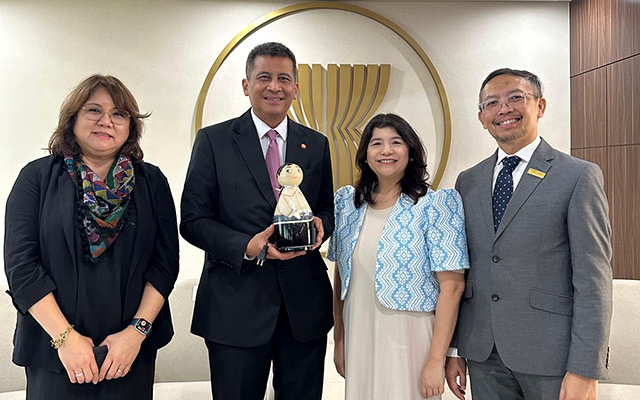
The ASEAN Tourism Association (ASEANTA) has launched two initiatives to mark ASEANTA Day 2025 in Jakarta on August 8, 2025.
The launch of the 39th ASEANTA Tourism Awards, themed Promoting Unity, Creativity & Excellence in Southeast Asian Tourism, and the Discover ASEAN microsite, a digital travel platform, aims to expand tourism opportunities in ASEAN member countries.
Tourism awards and a digital microsite were launched in Jakarta to promote collaboration among ASEAN member countries and expand travel opportunities across the region
Eddy Krismeidi, ASEANTA president, stated the initiatives reflected ASEANTA’s response to current tourism challenges and its readiness to capture future opportunities: “These initiatives reflect our determination to recover, innovate, and thrive.”
He said the ASEANTA Tourism Awards, now in its 39th edition, have long served as a platform to recognise the best of ASEAN tourism, from community-based initiatives to large-scale innovations in marketing, sustainability and service excellence. Registration is open until October 31, 2025, and winners will be announced at the ASEAN Tourism Forum 2026 in the Philippines.
The Discover ASEAN microsite is a digital travel booking platform developed by ASEANTA in collaboration with AirAsia.
“This microsite curates essential and inspiring content, ranging from culinary experiences, culture, and interesting destinations to verified immigration links and the latest travel information,” he shared.
The microsite was co-developed by Move in collaboration with the ASEAN Secretariat and is accessible via the Move app’s homepage. It features recommendations on food, culture and destinations across ASEAN member countries, alongside verified travel requirements, links to official immigration websites, and up-to-date health and safety guidelines.
Yizhen Fung, head of strategic partnership at AirAsia Move, shared: “The Discover ASEAN (microsite) serves three objectives. The first is to involve by offering trusted, up-to-date travel requirements across ASEAN member countries, including links to the official websites of the immigration departments of each ASEAN member country.
“The second is to inspire through curated recommendations showcasing gastronomic nature, cultural and wellness attractions of each Asian country. To this end, we are very grateful for the support of the ASEAN secretariat for letting us draw our content from the official tourism website of ASEAN.”
As for the third objective, Fung said it was to include smaller towns and communities by connecting them to travellers alongside major cities and tourist spots, helping to boost their local economies.
Indonesia’s deputy minister of tourism, Ni Luh Puspa, said: “The Indonesian Ministry of Tourism is proud to welcome ASEANTA’s initiative to launch the programme on ASEAN Day.
“As one of the region’s leading tourism destinations, we fully support this joint initiative to strengthen ASEAN’s shared identity and unlock greater opportunities for collaboration. Let us inspire more travellers to explore what makes our region vibrant, diverse, and united.”
Ni Luh also expressed the ministry’s interest in linking its official website, Indonesia.travel, to the microsite.
The inaugural Awakening Song Wat festival, running from August 8 to 17, aims to boost night-time activity in one of Bangkok’s most popular neighbourhoods.
Song Wat has become known for its cafés, galleries and creative businesses that draw steady crowds during the day. However, local entrepreneurs report that the area loses energy after dark, with bars and night-time venues struggling and visitors left disappointed by the lack of nightlife.
The Awakening Song Wat festival uses light, sound and storytelling to revitalise Bangkok’s riverside district at night; photo by Friday Originals
The festival uses light, sound and storytelling installations to extend the district’s appeal into the evening and position it as a cultural destination after sunset.
Under the theme Culturalight, 14 installations by Thai and international artists span 12 locations along Song Wat Road, showcasing the district’s shophouse architecture and riverside heritage, with highlights including Please Pray, My Child, a colourful display at Charoenwattana Warehouse; Light Supplies, a glowing historic hub; and Song Wat Song Dance, an interactive floor reacting to visitors’ steps.
Festival director Pongsiri Hetrakul – also behind the flagship Awakening Bangkok, founded in 2018, which now attracts some 200,000 visitors annually – believes lighting festivals can help rebalance day-night visitor flows.
“Light brings people in. When they come, foot traffic increases, shops sell more, and there’s renewed interest in the area’s stories,” he said.
His site selection process can take years, involving historical research, conversations with residents, and mapping walkable routes.
“I’ve always believed in making people walk – sometimes five kilometres or more – so they pass through shops, food stalls, and everyday life. That’s when the local economy comes alive again,” he explained, recalling fried bun vendors setting up to meet demand, 7-Elevens selling out of bottled water, and residents offering pop-up tabletop activities such as tarot reading during past festivals.
The festival is supported by the Tourism Authority of Thailand and Bangkok Metropolitan Administration, along with MINI Thailand, GrabTaxi (Thailand) Co., ThaiBev Marketing Co., Boon Rawd Trading Co., and various private-sector partners along Song Wat Road, with installations lighting up 18.00 to 23.00 nightly.
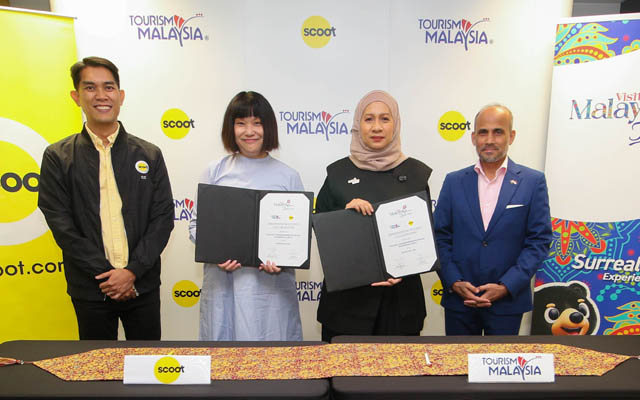
Scoot and Tourism Malaysia have signed a three-year memorandum of collaboration to promote Malaysia as a travel destination in key regional markets ahead of Visit Malaysia 2026 (VM2026).
The agreement, which runs until August 5, 2028, outlines joint efforts to raise awareness of cities across Malaysia through integrated marketing and co-branded campaigns, including digital promotions and familiarisation trips.
The partnership will tap on regional travel demand through co-branded activities and campaigns
The initiative targets travellers from Australia, China, Indonesia and Singapore. Scoot currently flies to 11 Malaysian cities: Ipoh, Kota Kinabalu, Kuala Lumpur, Kuantan, Kuching, Langkawi, Melaka, Miri, Penang, Sibu and Subang.
With the addition of Kota Bharu on October 26, 2025, the airline will operate 115 weekly flights to 12 cities in Malaysia.
Scoot director of marketing, communications and loyalty Agatha Yap said: “Malaysia has always been an important market for Scoot, and we hope that this collaboration will allow us to drive even more awareness and interest in the various Malaysian cities that Scoot serves… we hope to connect more travellers to Malaysia from Singapore and the rest of Scoot’s extensive network.”
Manoharan Periasamy, director general of Tourism Malaysia, shared: “This strategic partnership with Scoot comes at a crucial time as we ramp up efforts for VM2026. Leveraging Scoot’s extensive network will allow us to tap into high-potential regional markets and attract more international visitors to explore Malaysia’s unique offerings.
“We are confident that this collaboration will contribute significantly to our 2025 target of welcoming 43 million international visitors.”
The Maldives will be more selective with travel trade show participation as cost of such activations have gone up, said a top Maldives tourism industry official, who added that presence will only be maintained at the “bigger” events.
Abdulla Ghiyas, chairman, Maldives Marketing & PR Corporation (MMPRC), told TTG Asia that participation at international travel trade shows are “getting more expensive”, due to higher cost of hiring spaces at such events.
Ghiyas remarked the Maldives is shifting focus from trade shows to targeted campaigns as tourism marketing costs rise
In place of trade show participation, the country’s NTO has adopted new strategies, shifting towards more direct and impactful initiatives that deliver measurable results.
Ghiyas said: “We are investing heavily in B2C advertising, brand awareness campaigns, and on-ground activations in key source markets. In addition, we are running conversion and performance-driven joint marketing campaigns with airlines, OTAs, and tour operators to ensure our spend is targeted and accountable.”
MMPRC’s partnership with Liverpool FC is a prime example of such a shift.
He said there are plans to raise the promotion budget to support these new strategies, and funding will come from a portion of the Tourism Goods and Services Tax.
Meanwhile, Ghiyas is hopeful that the recent opening of the country’s new airport terminal will herald a new tourism era. The facility can cater to 7.5 million passengers per year, a sharp rise from 1.5 million at the old terminal that was a bottleneck for inbound traffic, he acknowledged.
“We now have opportunities for more airlines, more slots,” he said.
With the help of the expanded airport, the Maldives aims to welcome three million visitors per year in the next three years, up from a target of 2.3 million.
He noted that the Maldives has an inventory of 63,000 beds, and capacity at the moment is under 60 per cent.
As such, the destination can certainly accommodate more visitors and have enough facilities to support greater arrivals.
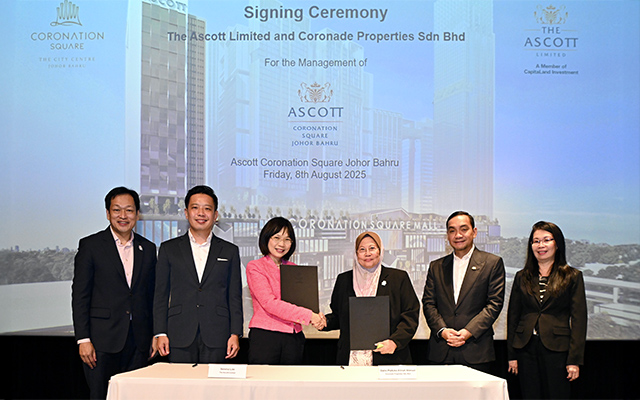
Ascott has been appointed by Coronade Properties to manage the hotel in the Coronation Square integrated development in Johor Bahru.
Located in the Ibrahim International Business District (IIBD) within the Johor-Singapore Special Economic Zone (JS-SEZ), the hotel will be directly linked to the upcoming Rapid Transit System (RTS) Link.
The partnership marks the first major hospitality collaboration since the historic Singapore-Malaysia JS-SEZ agreement
The collaboration is the first major hospitality partnership since the JS-SEZ agreement between Malaysia and Singapore in January 2025. It also marks the debut of the Ascott brand in Johor Bahru and will be the sixth Ascott-branded property in Malaysia. The other five Ascott-branded properties are in Kuala Lumpur and Penang.
Ascott manages more than 40 properties in Malaysia, both operating and in the pipeline.
Ascott Coronation Square Johor Bahru will have 207 rooms within Tower 1 of Coronation Square, in the IIBD of the JS-SEZ. It is scheduled to open in 2H2029 and will have an all-day dining restaurant, swimming pool, fitness centre, residents’ lounge and meeting rooms.
Coronation Square is a five billion ringgit (US$1.07 billion) integrated development by Coronade Properties and is the first project in the 101-hectare IIBD. The 3.9-hectare development will comprise hotel, medical, office and residential components, as well as the 111,500m² Coronation Square Mall. Construction of the mall will begin in 2026 and is targeted for completion in 2030. The development will be connected to the RTS station at Bukit Chagar and the Customs, Immigration and Quarantine facilities via a 210-metre elevated walkway. It will also have basement parking for about 4,500 vehicles, with around 700 bays reserved for RTS users.
Paduka Alinah Ahmad, director of corporate relations, Coronade Properties, said: “As Coronation Square develops into a vibrant destination, this partnership marks an exciting new chapter in Johor’s hospitality and real estate landscape.”
Wong Kar Ling, chief strategy officer and managing director for Southeast Asia, Ascott, added: “With the JS-SEZ catalysing greater cross-border investments and the RTS enhancing connectivity, Johor Bahru is entering a dynamic new phase of growth. Ascott Coronation Square Johor Bahru allows us to introduce our namesake Ascott brand to this market, positioning us at the heart of this transformation to capture rising demand from corporate, long-stay and leisure segments.
“Ascott’s presence in Malaysia continues to deepen, with over 40 properties in operation and in the pipeline. We are committed to expanding our footprint with high-quality developments that meet the evolving expectations of discerning travellers visiting the country.”
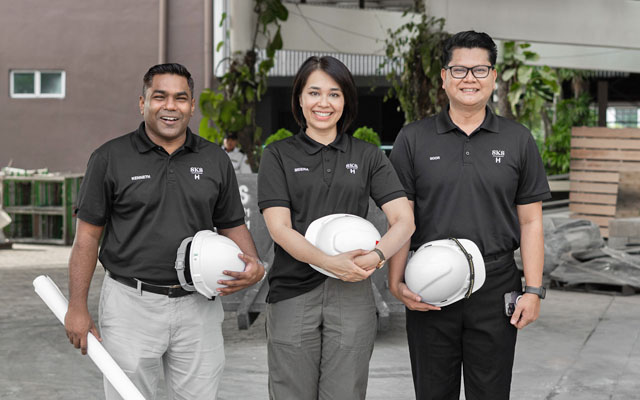
SKS Group has signed an agreement with Marriott International to open Four Points by Sheraton Johor Bahru, following the rebranding of AmanSari Residence Resort in Bandar Seri Alam.
The hotel is scheduled to open in 1Q2026.
Staff prepare the site for the upcoming Four Points by Sheraton hotel in Johor Bahru, scheduled to open in early 2026
This project marks SKS Hospitality’s first entry into franchise operations and continues the group’s brand expansion. Four Points Johor Bahru will be its second Four Points property and the fourth under the Marriott Bonvoy portfolio, following the openings of Four Points by Sheraton Desaru, Sheraton Johor Bahru (due in 3Q2025), and Courtyard by Marriott Subang (opening in 2026).
The hotel will feature 150 guestrooms across three categories. It is designed to accommodate both business and social events, with 1,770m² of function space including a 1,130m² divisible Grand Ballroom, a 310m² Junior Ballroom, five meeting rooms, and a 255m² pre-function area.
Andree Susilo, vice president of hotel development for Asia-Pacific at Marriott International, said that Bandar Seri Alam is a vibrant and fast-growing township, making it a suitable location for a brand offering stylish comfort and reliable essentials. He added that the partnership reflects Marriott’s commitment to expanding its presence in Malaysia.
Meera Raj, head of SKS Hospitality, stated: “The transformation of this legacy hotel into Four Points by Sheraton Johor Bahru is not just a change in name – it’s a reawakening of purpose, rooted in our commitment to create stays that guests will remember for a long time.”
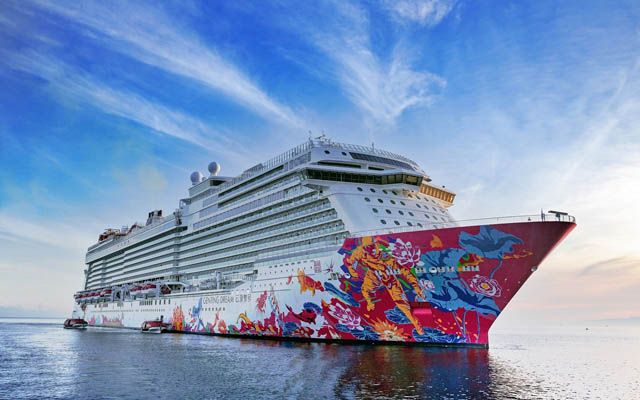
Start the year-end holidays with a five-night sailing from Singapore to South and North Bali aboard Genting Dream. Departing on November 30, 2025, the cruise offers a chance to explore two contrasting ports – Denpasar and Celukan Bawang – while spending two days at sea on a ship equipped for both relaxation and activity.
Onboard, guests can access halal and vegetarian dining options, live entertainment, spa facilities, and a range of activities including waterslides, pools, Jacuzzis, rock climbing, ziplining and a rope course. The Palace, a private area with dedicated amenities and 24-hour butler service, is available for those seeking added privacy. Two full days at sea are scheduled.
Genting Dream’s exclusive five-night Bali cruise departs Singapore on November 30, 2025
The itinerary includes two stops in Bali. In Denpasar, visitors can explore markets, visit Pura Agung Jagatnatha, and view exhibitions at the Bali Museum. In Celukan Bawang, the schedule allows time for swimming, snorkelling and visiting nearby villages.
This five-night sailing is scheduled for November 30, 2025, and bookings open from August 21. Cabin availability is limited.
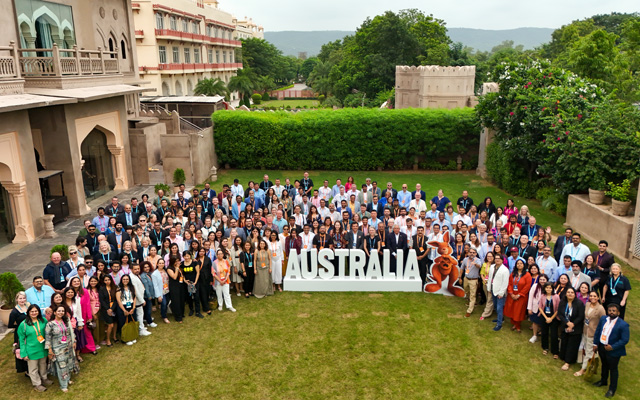
As the Indian outbound tourism market continues to grow for Tourism Australia, the NTO is devising its strategies to sustain and build on the momentum. Moving forward, Tourism Australia will prioritise high-yield travellers as well as the leisure and business events segments in India.
It also remains committed to investing in travel trade partnerships and consumer engagement initiatives to further boost Indian arrivals to Australia.
Tourism Australia is targeting high-yield Indian travellers as visitor numbers and travel interest continue to grow
“India remains the fastest-growing inbound market for Tourism Australia. Prior to Covid-19, it ranked as our seventh-largest market. Today, it stands at number five and continues to be one of the most promising markets for the future. With India’s accelerating economic growth, we are witnessing a rise in the high-net-worth population, which will significantly contribute to outbound travel from the country,” said Nishant Kashikar, country manager – India & Gulf, Tourism Australia, during a media roundtable held on the sidelines of Australia Marketplace India (AMI) from August 3 to 6 in Jaipur.
According to the Australian Bureau of Statistics (ABS), visitor arrivals data for the year ended (YE) May 2025 confirms Australia welcomed 453,000 visitors from India, up by 10 per cent. The annual B2B event brought together more than 100 Indian travel agents and 82 Australian tourism operators. While 30 per cent of the sellers were visiting India for the first time, 20 per cent of all participating buyers were new to the platform.
According to Tourism Australia, Indian travellers are extending their stays, with the total number of nights spent in Australia reaching nearly 29 million – a 21 per cent increase compared to the previous year.
“The reason we are seeing this trend is because Indian travellers are no longer limiting themselves to just three or four cities; they are now exploring new states, territories and lesser-known regions across Australia,” added Kashikar.
According to Chennai-based Sriharan Balan, managing director, Madura Travel Service, the outbound demand for Australia in India has taken a great leap post-lockdown.
“We are opening an office in Sydney to catch up with the demand. We are hiring Tamil speaking drivers and guides to cater to our guests. We have student groups who are visiting Australia in November and January. Destinations like Tasmania and Cairns and Canberra are now also climbing up the popularity charts of the Indian outbound traveller.”
Presently, Victoria, Queensland and New South Wales are key popular destinations among Indian tourists. The ease of visa processing has played a vital role in promoting travel to Australia in India. The entire process is digitised with no interviews or biometrics needed.
“Visitors get up to a three-year multiple entry visa if they are travelling for the purpose of leisure or for a holiday and one gets up to a five-year multiple entry visa if travelling for MICE or business events. So, we are seeing a very high increase in terms of repeat visitation into Australia not just for leisure but also for business events,” said Kashikar.



 Byron Yip, who has held the president and chief operating officer roles for seven years, will continue overseeing daily operations and support the leadership transition through September 2025.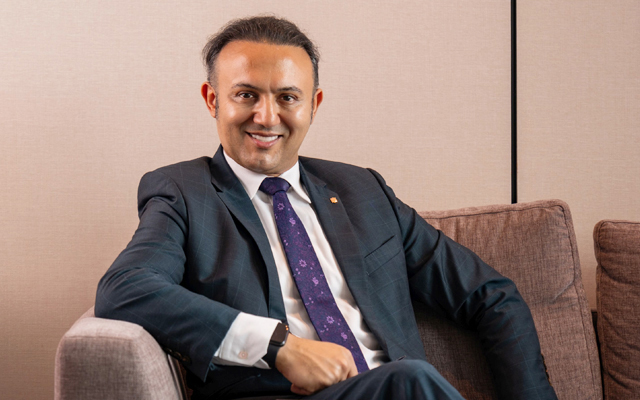
 He joins from Shangri-La’s Tanjung Aru Resort & Spa in Kota Kinabalu, where he led operations and a team of over 700 colleagues. A member of the Shangri-La group since 2006, Yusuf has held leadership roles across Kuala Lumpur, Jakarta, Shanghai, Manila and Singapore.