TTG Asia
Asia/Singapore Tuesday, 5th May 2026
Page 1742

Charting a smooth journey

0

These aviation and cruise heads identify some of the common hazards in the skies and seas, and what can be done to lessen the risks involved

AIRLINES AND AIRPORTS

What are the silliest things passengers do that they don’t realise can harm?
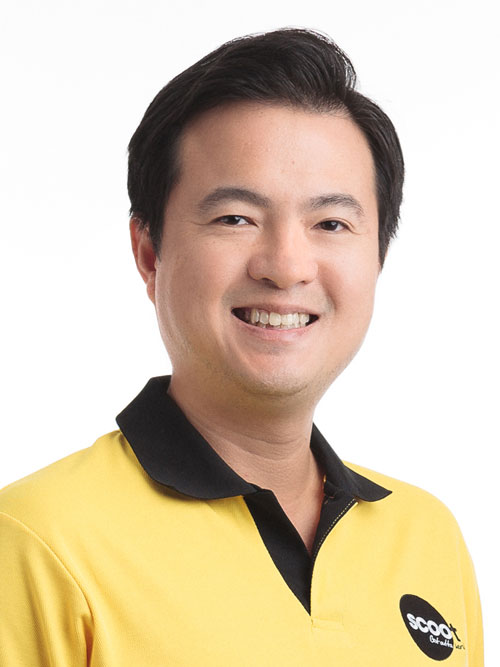


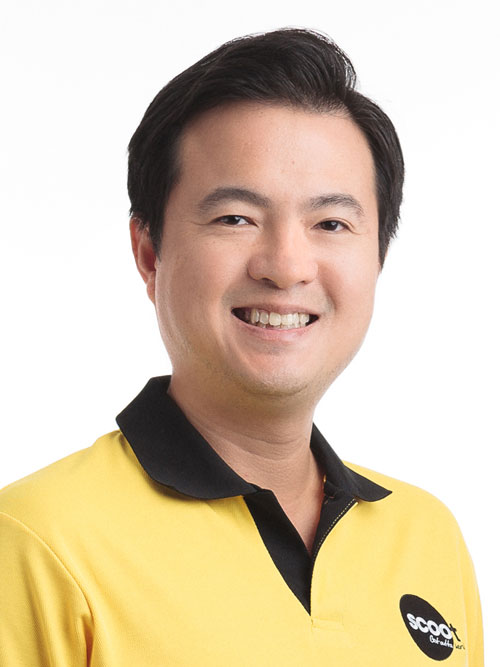
Leslie Thng

Chief commercial officer, Scoot and Tigerair


Imagine reaching for a life vest underneath your seat aboard an airplane in the unlikely event of an actual emergency – only to find that there’s none there! Stealing life vests might seem like a joke but really, it’s the silliest crime that people don’t realise could put other passengers’ lives in danger. Some items on board are obviously for guests to keep – you can be my guest when it comes to our in-flight magazines, which I’m sure is more entertaining than reading the aircraft safety card… Oh, and please leave that alone too! – Xinyi Liang-Pholsena
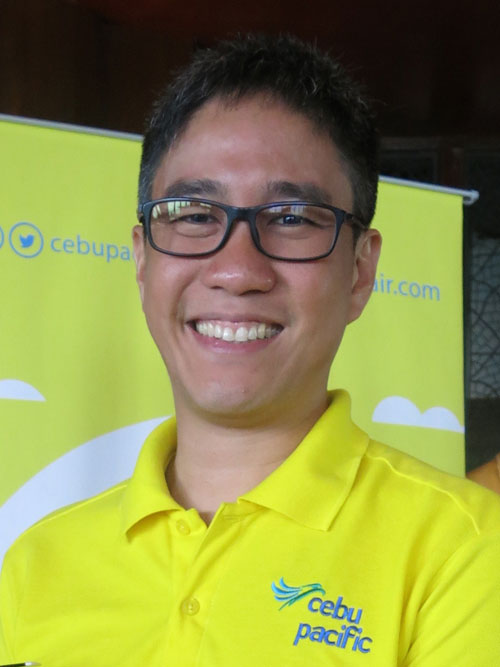


Alexander Lao

Vice president commercial of Cebu Pacific and president of Cebgo


Some people think that a bomb scare joke is funny but it’s not. And if you are on the plane, it is pretty serious. You will go to jail.
Another issue is passengers not heeding local regulators’ call to turn off their Samsung Galaxy Note 7 phones when on a plane (to avoid the risk of explosion). The US’ Federal Aviation Administration just released an emergency order to ban all Samsung Galaxy Note 7 phones on all airplanes in the US; I think we won’t be far behind (Note: Cebu Pacific and Cebgo have since expanded the ban to all their flights). – Rosa Ocampo


Nick Naung Naung

General manager, Singapore, Malaysia and Indonesia, Finnair


Passengers get excited when the plane lands and stand up before the seat belt sign is turned off. Some like to walk around excessively when it is safer for them to be seated with their seat belts fastened. During the flight, some passengers may reach for things they have stowed in the overhead bin.

 S.Puvaneswary  


Chapman Fong

General manager, Terminal 1, Airport Authority Hong Kong


Travellers love taking selfies, especially in front of interesting backdrops at Hong Kong International Airport. Popular selfie spots include destination poles at boarding gates and art and culture exhibitions. Many others like to take close-up shots of airplanes. However, sometimes passengers could become so focused on taking photos that they expose themselves to hazards like tripping over or falling on stairs and escalators. Some may miss their flights or end up at the wrong boarding gates. – Xinyi Liang-Pholsena


CRUISES

What are the silliest things passengers do that they don’t realise can harm?
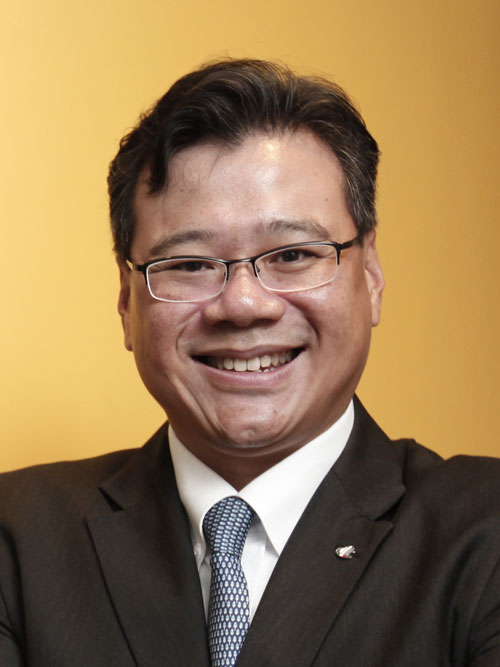


Buhdy Bok,
President, Costa Group Asia


Unexpected severe weather such as typhoons and tropical storms can cause strong winds and huge waves, bringing threat to passengers onboard whilst at sea. Costa Cruises always places the safety of guests and crew members as our top priority and we work closely with related authorities to keep track of potential inclement conditions. Once in a while, if adverse weather does affect our scheduled itinerary, we will need to modify – or even cancel – some port calls to ensure the safety of all our guests. In this regard, we seek guests’ understanding that we only do this in the interest of their safety and would appreciate their utmost cooperation. – S Puvaneswary  


Sean Treacy
Managing director, Singapore and South-east Asia, Royal Caribbean Cruises


Fire is probably the biggest concern for any cruise ship, which is why on our fleet, we have tight fire safety measures and regular fire drills – the safety of our guests and crew are our top priority. Activities involving open flame are limited and only conducted with close supervision and with fire extinguishers on standby. Items that generate heat or produce an open flame and that may create a fire hazard e.g. candles, incense, coffee makers, clothes’ irons, travel steamers and hot plates are also prohibited. – Paige Lee Pei Qi


This article was first published in TTG Asia December 2016 issue. To read more, please view our digital edition or click here to subscribe.
The South Beach Singapore gets new life under JW Marriott

0

jw-marriott-south-beach
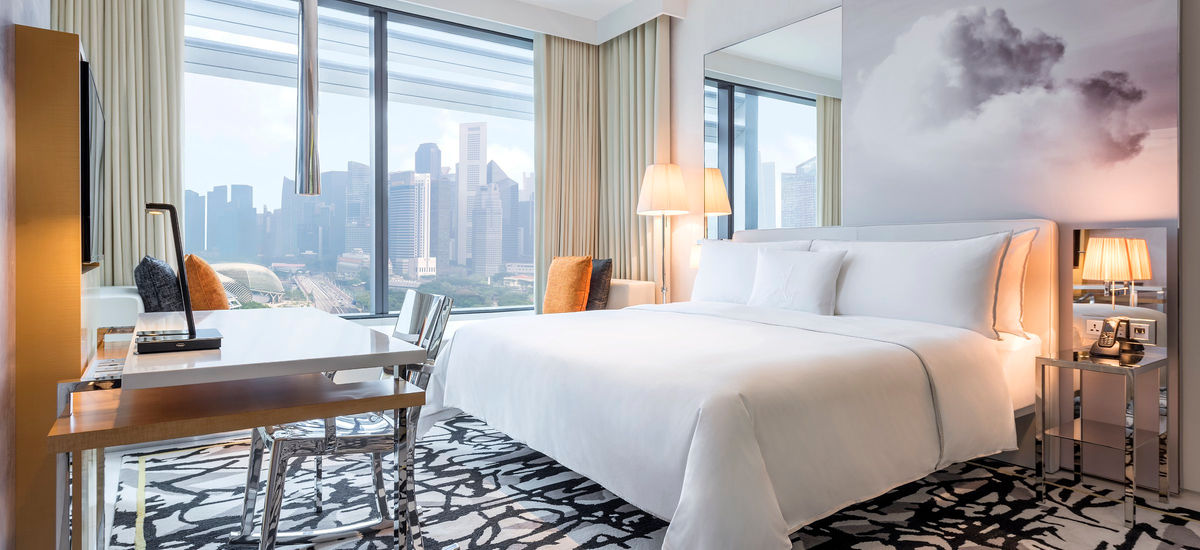
Deluxe King guest room

The new JW Marriott Hotel Singapore South Beach will officially open its doors on December 15, following its refurbishment since South Beach Consortium appointed Marriott International to operate the design hotel earlier this year.

Speaking to TTG Asia at the soft launch yesterday, general manager Derek Flint said the property will target hotel guests from Asia-Pacific, with China and Indonesia being two key markets.

Given the hotel’s “strategic position” in the heart of Singapore’s city in near proximity of two major convention centres, he is keen to raise the proportion of MICE guests from 20 to 30 per cent next year.

A major change can be seen in the new Beach Road Kitchen, which was expanded to 250 seats from its previous 150 to accommodate the expected increase in guest numbers, as well as the debut of JW Spa, according to the general manager.

Meanwhile, slight changes have been made to “Marriotise” the hotel for more effective operations, Flint pointed out.

For instance, the original seven linear check-in counters comprising an exotic desk and cabinet have been replaced with group check-in area at the back of the lobby, he said.

Despite the branding and operator changes, the contemporary and quirky character of the Philippe Starck-designed property is largely intact, with the eclectic lift decked out with glowing marine-life wallpapers remaining a key feature at the hotel.

Indian tourism begins to feel the pinch from cash crunch

0

hyderabad-demonetization-currency
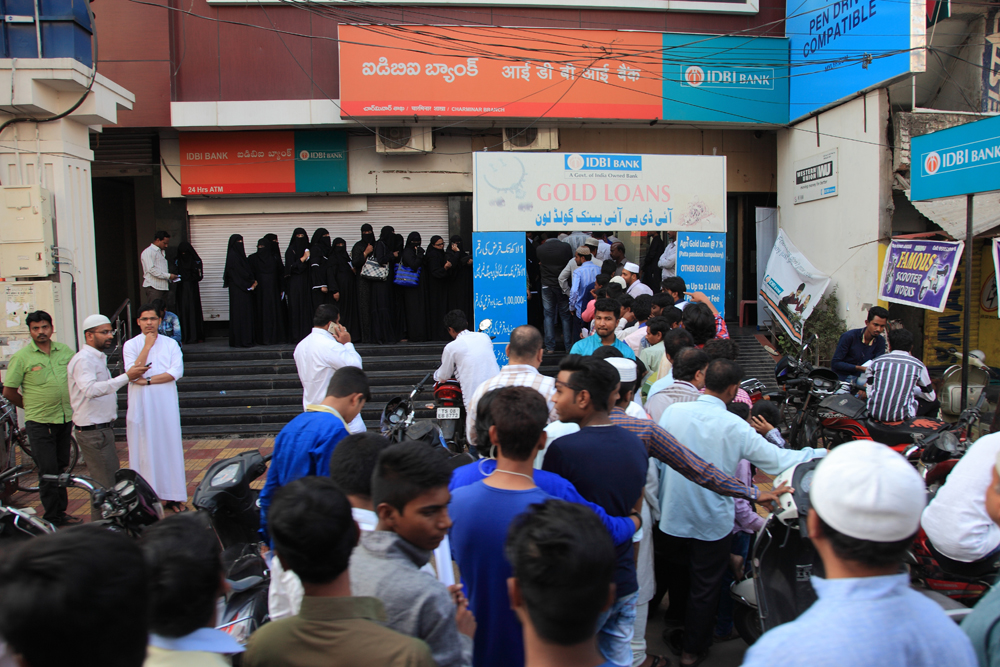
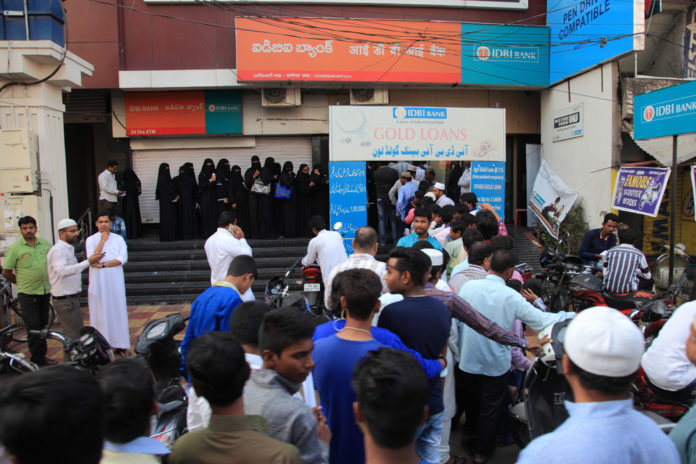
People queuing outside banks in Hyderabad last month to deposit banned notes

The inbound trade in India is beginning to observe fallout from the government’s demonetisation drive and fear that business will be considerably affected if the cash crunch is not resolved soon.

On November 8, the government declared all currency in denominations of Rs500 (US$7.40) and Rs1,000 illegal tender in hopes of curbing the flow of black money in the Indian economy.

“Though a welcome decision, this is a matter of concern for the inbound sector. Foreign tour operators and tourists are raising doubts before booking their holidays to India because they’ve been seeing visuals of long queues outside banks and ATMs in the media,” Ravi Gosain, managing director of Erco Travels said.

“Most of the foreign tourists who book through tour operators pay in advance for their tours but still they need cash for buying souvenirs and paying tips.”

Gosain is not seeing any decline in enquires or arrivals, but said the situation could change if the cash crunch persists.

Louis Dsouza, executive director of Tamarind Global, is already witnessing effects of the currency crisis. “Some foreign tour operators have dissuaded guests from travelling (to India) till we tide over the issue,” said Dsouza, who is concerned about the availability of Indian currency at ATMs and across hotel counters.

The impact on tourism is especially palpable as a number of historical monuments managed by Archaeological Survey of India (ASI) accept cash as the only mode of payment, posing a challenge for tour operators when they book for groups.

“Entrance fee for a few monuments managed by ASI can be made online, but the website is unable to handle the (volume). This is a serious problem that is giving bad name to India,” lamented Gosain.

Indonesia’s Aceh province hit by powerful earthquake

0

indonesia-aceh

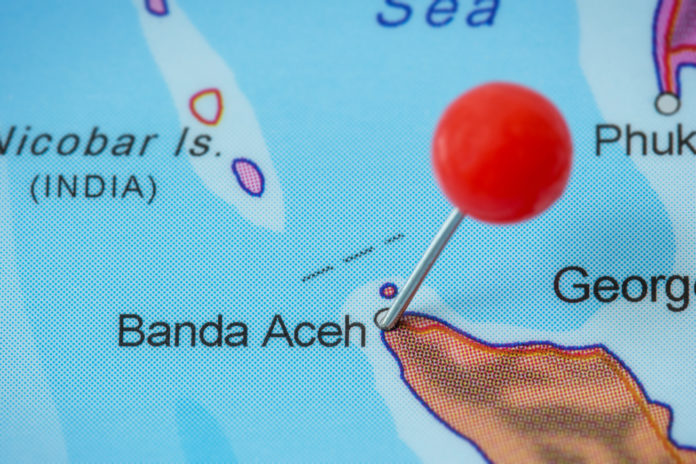
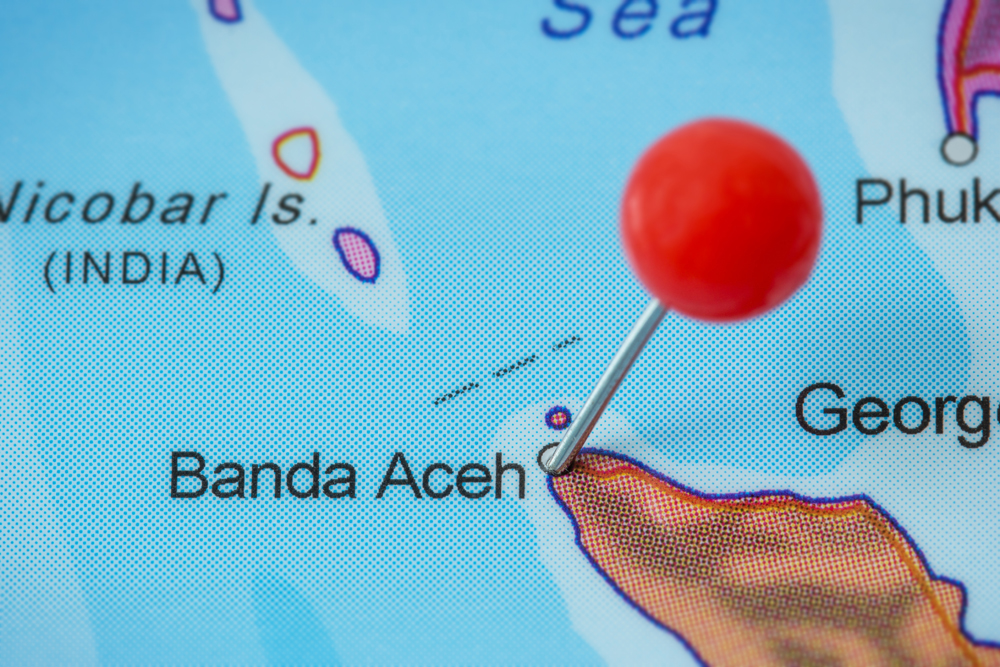
A 6.5-magnitude earthquake struck Banda Aceh yesterday, jolting Sumatra’s northernmost province in the early hours of Wednesday morning.

The Indonesia media reported that the deadly earthquake has killed at least 97 people and injured hundreds more. Many homes, mosques and buildings were also damaged in the predawn quake.

The search operation for survivors is still ongoing.

Aceh was devastated by Indian Ocean Tsunami in 2004, which killed some 150,000 people in the province alone.

Dusit takes first step into Europe with Turkey outpost

0

signing_ceremony_dusit_turkey
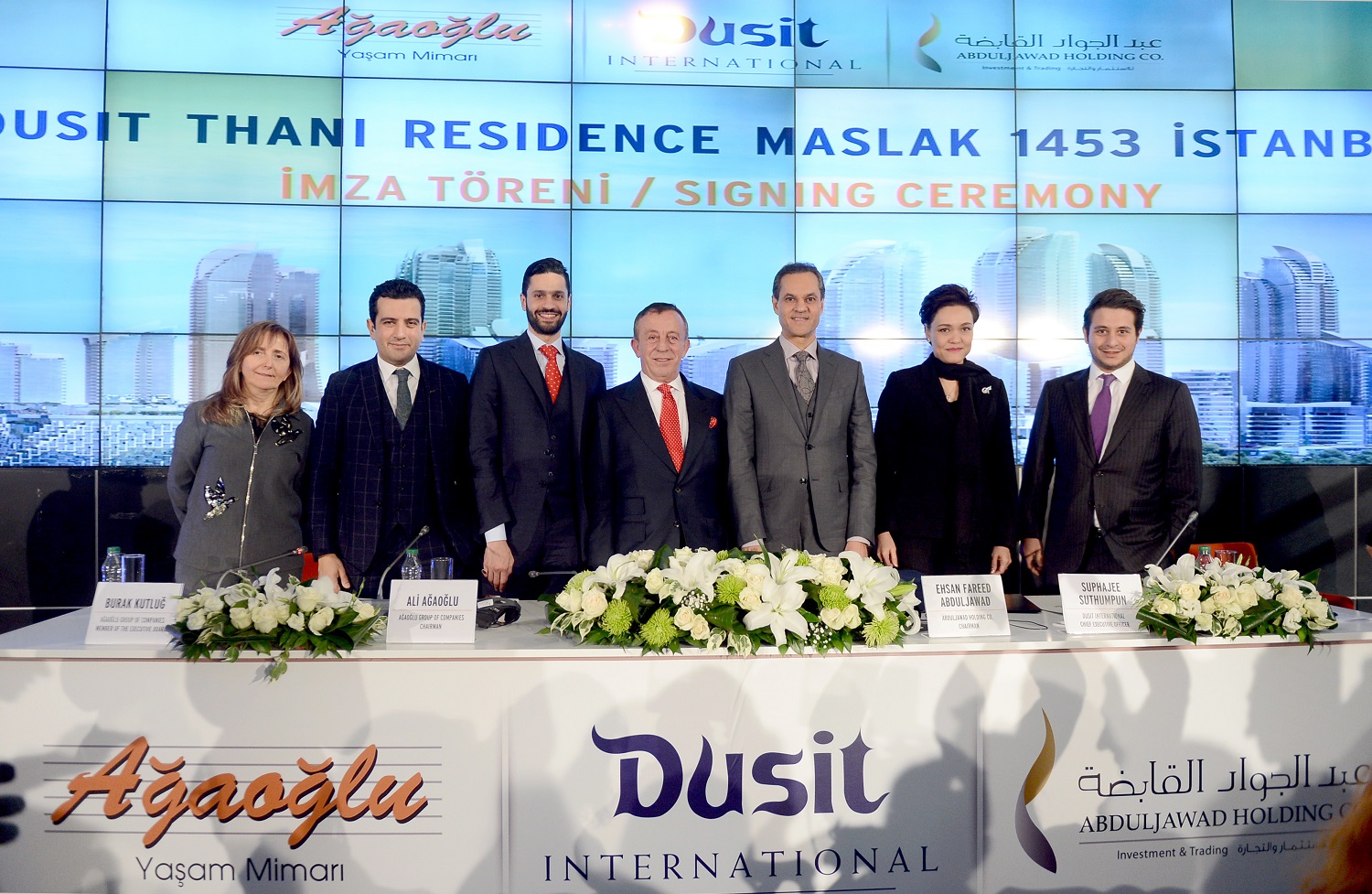
Representatives of Dusit International, Abduljawad Holding and Agaoglu at the signing ceremony of Dusit Thani Residences Maslak Istanbul, held on December 1, 2016, in Turkey

Dusit International has signed a management agreement with Abduljawad Holding to operate Dusit Thani Residences Maslak Istanbul when it opens in August 2018.

Marking Dusit International’s first project in Turkey, the property will comprise more than 300 apartments and will be part of Maslak 1453, a two million square metres commercial, business and residential hub on the European side of the city.

While serviced apartments will make up the majority of the property, there will also be a branded residence with units leased to tenants on a long-stay basis. Available in four configurations – from one- to four-bedroom – each apartment in the 41-storey building will come fully furnished. Amenities on-site include a swimming pool, gym, spa, lobby lounge, residence lounge, and meeting rooms.

Suphajee Suthumpun, group CEO of Dusit International, said: “This is an important step in our global expansion and puts us in a good position for further development throughout Europe, the Middle East and beyond.”

Dusit International currently operates 29 properties around the world and has 45 confirmed projects in the pipeline across four brands: Dusit Thani, dusitD2, Dusit Princess and Dusit Devarana.

Garuda’s first Indonesia-India flight gets off ground

0

garuda-indonesia-1

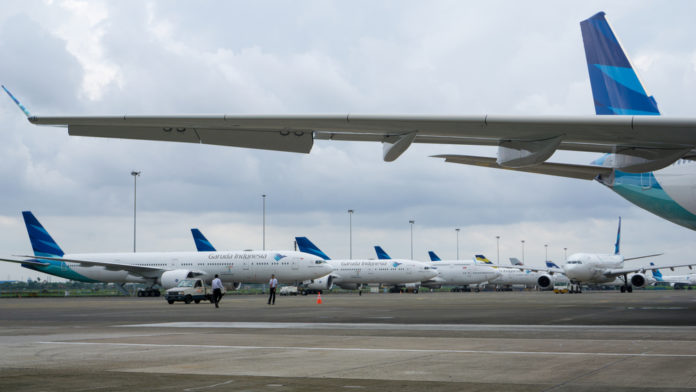
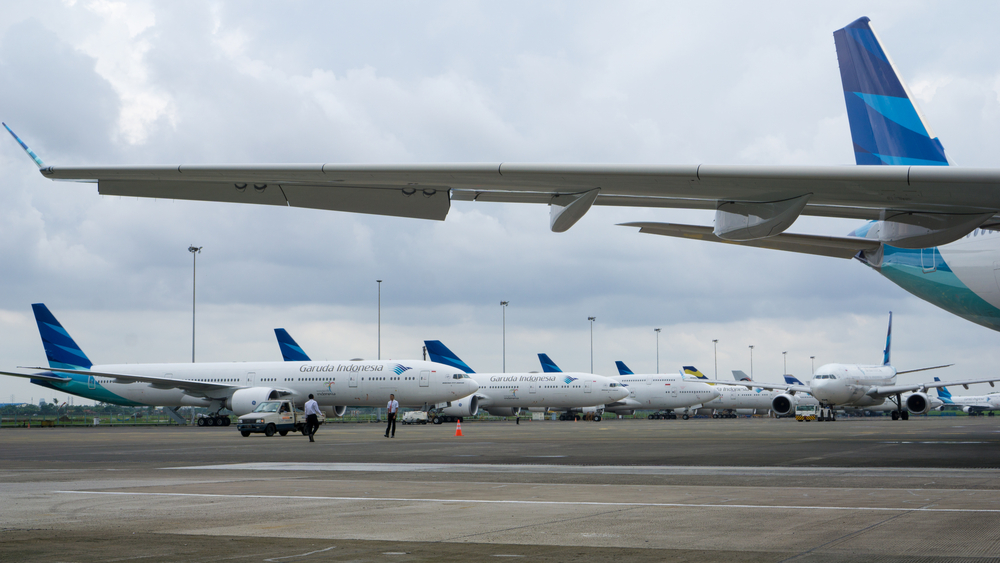
Garuda Indonesia will launch the first direct connection between Indonesia and India when it begins Jakarta-Mumbai flights, via Bangkok, from December 12.

Utilising a Boeing 738 aircraft in a two-class configuration, the thrice-weekly service will operate on Mondays, Wednesdays and Fridays.

With the Mumbai service, Garuda Indonesia now adds the Indian subcontinent to its network.

Apart from boosting trade between the two countries, the new route is expected to drive inbound tourism to Indonesia from India. Indonesia is currently one of the largest markets to India with 350,000 people currently travelling to the region on both business and leisure.

Banyan Tree strikes strategic alliance with AccorHotels

0

banyan_tree_lijiang
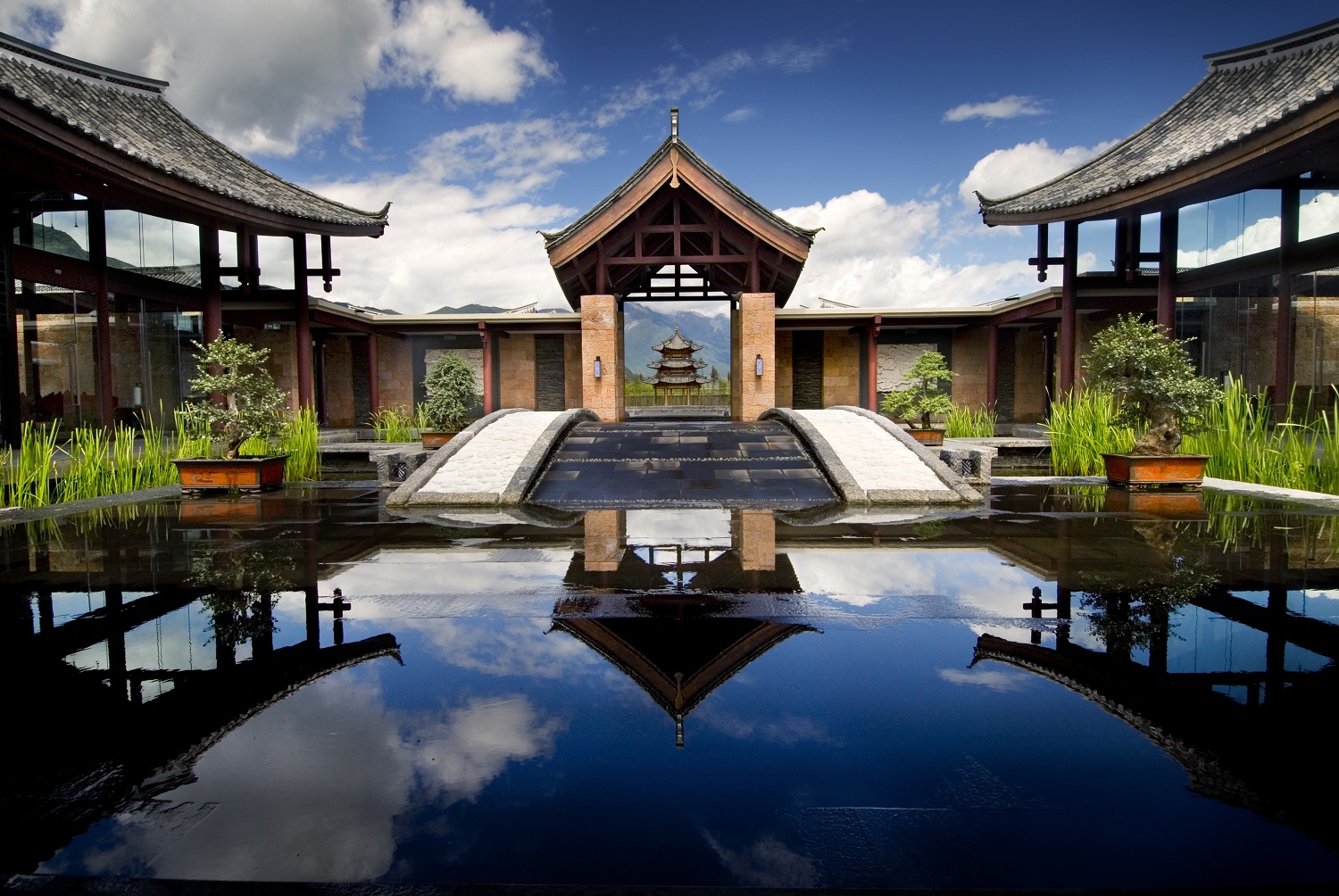
Banyan Tree Lijiang

Barely a week after Taj Hotels and Palaces unveiled its strategic alliance with Shangri-La Hotels and Resorts, the hospitality sector is now abuzz with the announcement of a S$24 million (US$16.9 million) partnership between Banyan Tree Holdings and AccorHotels to jointly develop and manage Banyan Tree branded hotels around the world.

This investment will be made through a mandatory convertible debenture that at conversion will give AccorHotels a stake of about five per cent in Banyan Tree. AccorHotels has an option to purchase an additional stake of about five per cent.

Under this long-term partnership proposed under a heads of agreement, Banyan Tree will also have access to AccorHotels’ global reservations and sales network, as well as its loyalty programme Le Club AccorHotels.

Ho Kwon Ping, executive chairman of Banyan Tree, said: “This agreement is not only transformational for Banyan Tree, but is also an innovation for the global hospitality industry. With the current consolidation of mega hotel companies, smaller but also global players – many family-controlled – are also seeking strategic alliances with the global giants.

“Our strategic alliance with AccorHotels allows us to remain an independent company, enabling us to continue securing hotel management agreements on our own and yet accelerating Banyan Tree’s speed and scope of expansion but with AccorHotels helping us to grow our brands around the world.”

Sebastien Bazin, CEO and chairman of AccorHotels, said: “Our collaboration with Banyan Tree is a great opportunity to complement our business proposition to owners with iconic brands, while always better servicing our guests.

“We will bring scale to the network through our ability to develop and manage hotels under the Banyan Tree brands globally, hence strengthening our leadership in the luxury hotel space. We are confident that our investment will create incremental value for our shareholders.”


Janssen becomes DOSM of three Marriott properties in Thailand

0

Corinne Janssen has been appointed as the new cluster director of sales and marketing of three Marriott International hotels in Thailand – The Westin Grande Sukhumvit, Bangkok; Sheraton Hua Hin Resort & Spa and Sheraton Hua Hin Pranburi Villas.

She was most recently the director of sales – associations, sales operations and events service at Sheraton Grand Macao Hotel, Cotai Central and The St Regis Macao, Cotai Central. Prior to this, she served as the director of sales & marketing at Royal Orchid Sheraton Hotel & Towers in Bangkok and vice president of sales at the Venetian Macao.

corinne_janssen_photo230

The Dutch native started her career with Sheraton Hotels in Europe, where she held sales and marketing roles with properties in Belgium and Turkey.

STB revokes license of Sky Travel

0

Sky Travel & Tours (Sky Travel) had its license revoked by the Singapore Tourism Board (STB) in accordance with the Travel Agents Act on December 6, as the company has ceased operations and is unable to fulfil its obligations towards its customers.

STB is looking into the matter and may consider taking further action against Sky Travel and its directors, if necessary.

The most up-to-date list licensed travel agents in Singapore can be viewed at the Travel Related Users’ System website here. Travel agents may also email STB at stb_ta@stb.gov.sg for related licensing queries.

New European airline to take off from Etihad-TUI JV

0

plane-in-the-clouds

A new European leisure airline group is set to emerge from a joint venture between Etihad Aviation Group (EAG) and Europe’s largest tour operator TUI.

The new airline group, headquartered in Vienna, will have a fleet of around 60 aircraft offering 15 million seats capacity per year. It will start operations in April 2017, serving destinations in the Balearics, Canaries, mainland Spain and Greece from Germany, Austria and Switzerland.

The planned transaction, which is subject to regulatory approvals, will be preceded by Air Berlin divesting its 49.8 per cent share in its subsidiary carrier Niki to EAG’s subsidiary Etihad Investment Holding Company (Etihad).

At closing of the transaction, Etihad will immediately contribute the Niki share to the new airline group, and will neither control nor become a majority owner of Niki.

TUI will contribute its subsidiary TUIfly to the joint venture, including the 14 aircraft currently operated by TUIfly for Air Berlin under a wet-lease agreement.

TUI will hold 24.8 per cent of shares in the new company and Etihad 25 per cent, while the remaining 50.2 per cent will be controlled by the existing private foundation Niki Privatstiftung.

Meanwhile, Etihad’s acquisition of Air Berlin’s shares in Niki represents yet another cash injection into the debt-ridden airline, reportedly to the tune of US$321 million. Etihad had in 2012 bought a 29 per cent stake in Air Berlin in hopes of boosting its European network, but this was followed by years of loss-making performance by the German budget carrier.