TTG Asia
Asia/Singapore Saturday, 3rd January 2026
Page 1712

Sunway Pyramid Hotel reopens after US$29 million renovation

0

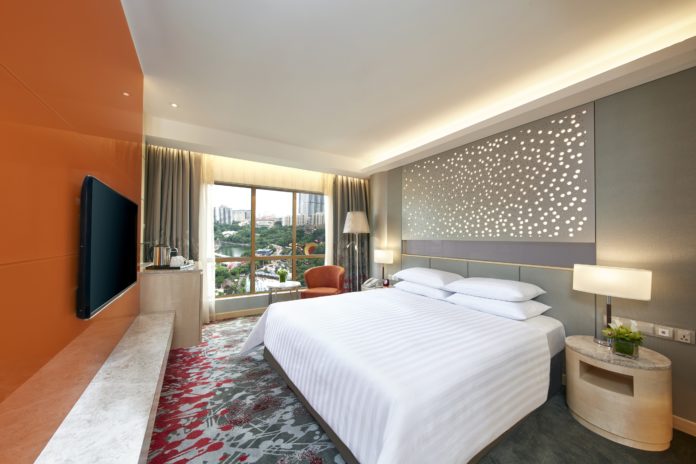
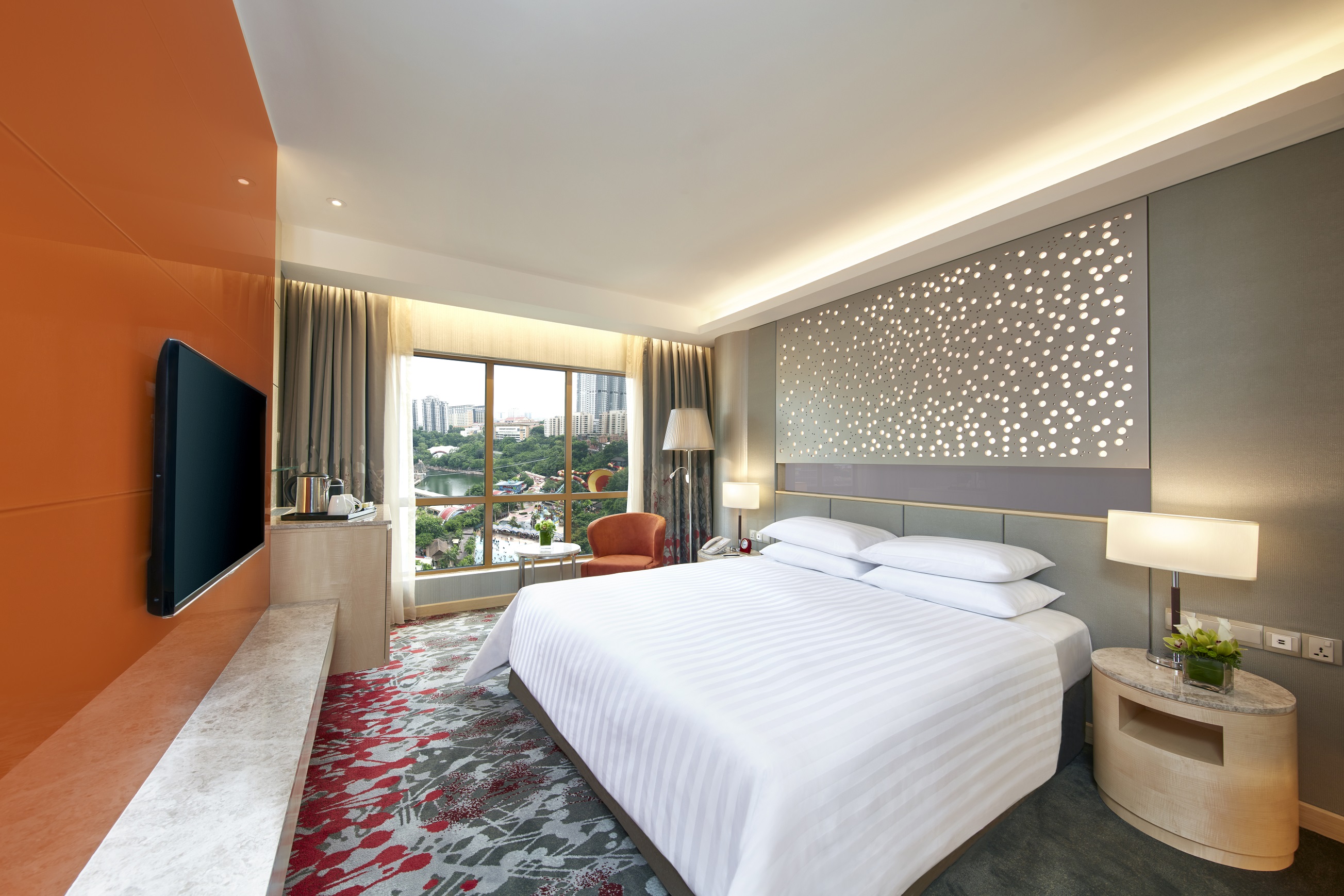
sunway_pyramid_deluxe_room

Sunway Hotels & Resorts will reopen its 4.5-star Sunway Pyramid Hotel on November 3 after a RM125 million (US$29.6 million) renovation.

Formerly known as the Sunway Pyramid Hotel East, the hotel will progressively open, and targets to have its 564 rooms fully operational by end-January 2017. Rooms feature complimentary Wi-Fi, USB charger outlets, 42-inch LED smart TVs and walk-in showers.

The newly-renovated property’s inventory has been boosted to 564 from 549, and feature 21 new purpose-built family rooms and suites. These suites will range from 53m² to 60m² in size, and have added amenities such as two bathrooms, a mini refrigerator, a microwave and bedding options for up to six people.

The hotel’s transformation also includes a makeover of the hotel’s main lobby, a new coffee lounge, lift landings, guest floor corridors and guestrooms.

Albert Cheong, CEO and group general manager of Sunway Hotels & Resorts, said: “With the full room inventory available by end of January 2017, the cluster of hotels in Sunway City including the new Sunway Pyramid Hotel will offer guests a choice of over 1,400 guestrooms and suites within a single integrated destination.”

On growing Sunway’s market share, Cheong added: “We’re leveraging on our recent opening of Sunway Hotels & Resorts’ regional sales offices in Shanghai and Dubai as well as several newly announced all-inclusive getaway packages, available exclusively for those booking direct on www.sunwayhotels.com.”

Introductory rates – valid for stays from November 3-30 – start from RM380 per room per night, inclusive of breakfast for two adults, and complimentary Wi-Fi.

Sunway Hotels & Resorts owns and manages 11 hotels and resorts in Malaysia, Cambodia and Vietnam.

US biggest winner of Muslim traveller spend

0

halal-certification

The US is the biggest beneficiary of global Muslim tourism spend, according to an economic impact report by Salam Standard.

The Economic Impact of Muslim Tourism on the United States 2015-2016 paper revealed that the Muslim travel market accounted for US$145 billion of total international tourism spend in 2015, with the US receiving a 24 per cent share or almost US$35 billion.

Muslim tourism also contributed US$16 billion to US GDP in 2015, driving the prosperity of restaurants, hotels, cultural venues, travel agents, airlines, local transport and retailers country-wide.

“The US benefits more from Muslim tourism than any other economy in the world in terms of direct GDP impact,” said Faeez Fadhlillah, co-founder and CEO of Salam Standard.

“And when you take into account multiplier effects, the total impact of inbound Muslim tourism spend on US GDP is a staggering US$50.8 billion, accounting for more than 10 per cent of total inbound tourism spend in the US. This represents a huge opportunity for the country’s travel industry, particularly given the global Muslim tourism market is expected to grow by 50 per cent in volume and 35 per cent in value over the next five years.”

Muslim travel also supports more than 600,000 jobs in the US in terms of total employment, according to the report.

The US should therefore be looking for ways to boost its halal-friendly tourism offering and market it digitally to the fast-growing Muslim travel community, the research paper suggests.

While faith-based needs of Muslim travellers can vary according to country of origin, universal requirements include the availability of halal-certified food, the observance of prayer times and the absence of alcohol.

Salam Standard’s report makes a number of recommendations to the US travel industry in this regard, including providing prayer mats and places to worship, as well as halal food.

Salam Standard, launched in October last year, is an online reference tool that categorises hotels according to their adherence to Muslim-friendly requirements and makes the content available to Muslim travellers.

Seaplane tour operator opens in Hiroshima

0

setouchi-seaplanes

Setouchi Seaplanes has launched Japan’s first commercial seaplane operation in 50 years, to areas around the Seto Inland Sea, the body of water between Honshu, Shikoku and Kyushu that is home to 3,000 islands.

The company, located on the southern coast of Hiroshima Prefecture, is offering a 50-minute sightseeing flight over the Geiyo Islands, an area renowned for its scenic beauty. Alternatively, customers can customise their tours through special or chartered flights.

“A seaplane can be a very convenient and useful tourism tool for a country surrounded by ocean, like Japan,” said Yutaka Nakanishi, the firm’s marketing and planning department manager. “We offer tourists the chance to see the magical beauty of islands large and small, ancient ruins, and historic buildings.”

The fleet comprises Kodiak 100 amphibious planes produced by US-based Quest Aircraft. For an adult, prices range from 32,000 yen (US$310) on weekdays to 42,000 yen during holidays.

Robert Day, owner of Japan tour specialist Robert Day Travel, believes there will be quite a lot of interest but pricing is key to converting that interest to demand.

“The scenery in the inland sea area is spectacular and I think that an aerial view would only make the view better,” he said. “As long as people think that the price offers good value for money, then I’m sure there would be interest.”

Setouchi Seaplanes also plans to offer charter flights from Kansai International Airport to Hiroshima Prefecture and to expand its routes to include the bay areas of Tokyo, Yokohama and Osaka.

Indian agents launch online platform to combat OTAs

0

The Travel Agents Federation of India (TAFI) is planning to launch an online platform to compete head on with OTAs.

The platform, expected to go online this year-end, will offer a marketplace for TAFI member agents and tour operators to buy and sell hotels, specialised tours and allied services like visas, transportation and cruises

tafi-president-praveen-chugh
Praveen Chugh

“Even at a time when OTAs are growing their base alarmingly, no one can deny the expertise and contracting power of traditional offline travel agents. Some of the rates offered by us are unmatchable,” said TAFI president Praveen Chugh.

“So we are looking to help offline travel agents (by coming) together and benefit from each other’s expertise.”

The platform has the added benefit of allowing TAFI members to better engage with multiple global suppliers for their business needs in real-time.

“Together, we will be in a position to own market share and negotiate on the basis of demand. Thousands of entrepreneurs working together are much stronger than a few OTAs,” added Chugh.

He further expressed concern that OTAs are overtaking traditional agents through excessive discounting and cashbacks.

“In order to combat this challenge, we have to come together and create an online ecosystem where together we can combat OTAs.”

Thai agents shift focus as Chinese arrivals dwindle

0

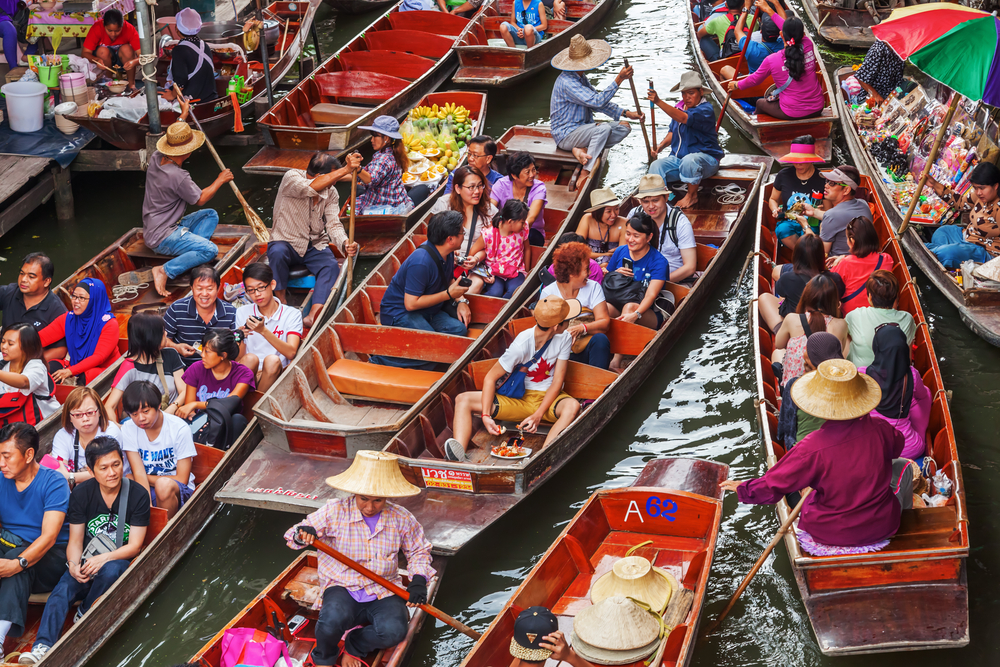
bangkok-floating-market

Thailand’s Chinese arrivals in October is expected to drop at least 40 per cent year-on-year and the negative sentiment is expected to drag till December due to the impact of the zero-dollar tour crackdown, projected the Thailand-China Tourism Association (TCTA).

TCTA president Ronnarong Cheewinsiriamnuai said the number of Chinese tour groups started to decline in September and plunged after the Golden Week in early October. In Bangkok, numbers fell to around 50 groups per day, compared to 300 groups per day in the past.

“We are very concerned about rising prices. If package prices to Thailand are equal to those in Japan, I have no idea how to compete. Japan and South Korea will benefit while Thailand loses,” he added.

An executive from a leading inbound travel agent said on condition of anonymity that many agents in China stopped selling tour packages to Thailand after they knew the Thai government was seriously suppressing zero-dollar tour businesses.

He revealed his company’s sales would decrease by 50 per cent this month and hoped the situation would bounce back slightly in December.

La-iad Bungsrithong, president of the Thai Hotels Association’s Northern Chapter, said hotels in Chiang Mai must shift its focus to domestic and MICE markets because of the downtrend in Chinese arrivals.

In Chiang Mai, visitors from China dropped 30-40 per cent since September, she said. La-iad projects that in 2017, arrivals from China to Chiang Mai would not grow. Therefore, hoteliers in the northern province, especially those who depended on Chinese travellers, must diversify into other potential markets.

The F1 party queen

0

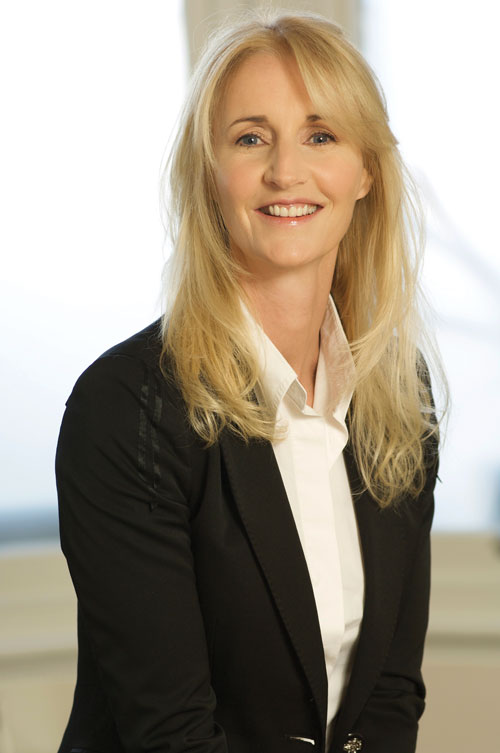
Sonia Irvine, founder of Amber Lounge, takes Raini Hamdi backstage into a testosterone-charged world and gives insights into what it takes to throw the original F1 party

oct-07-sonia-irvine

What to you is Amber Lounge’s biggest contribution to F1 and the four F1 destinations each year where you throw the party?
F1 is the most amazing brand and sport which Bernie Ecclestone built. Amber Lounge adds to the experience after the track and the two go together.

In Monaco, people never used to stay the Sunday night. Amber Lounge plays a small role in encouraging them to stay.Here (in Singapore last month, where the interview was done a day before F1 started) definitely people change their meetings on Monday morning (after the party on Sunday) and I know driver commitments are changed from Monday morning to Monday afternoon or to Tuesday. And there are some people who fly in for Amber Lounge, then fly out.

It’s the PR we create. We give a lifestyle element to F1. That then hopefully facilitates people wanting to come and participate in the whole F1 experience. But I’m just a small part.

Was it what you dreamt to do as a kid?
I never felt I had a path in my life. I was not one of these kids who knew what they wanted to be when they grew up.

One day, a friend said, I want to be a physiotherapist, and I said, what’s that? I looked it up and thought it was exciting. At 15, I ended up in one of those talks with a career teacher and told him I wanted to be a physio. He said I was not intelligent enough! I thought, how dare he said that and so I went home to my mom and dad and said, right, I’m going to be a physio.

I went to Newcastle, England, to study physio and as it turned out, I had a distinction in it, so obviously I was intelligent enough! People also said I had the right personality for it. A good physio is someone who listens, observes and analyses problems. It’s a fantastic career. There’s something really satisfying about being able to make someone walk again. Money or nothing can do that.

So why and how did you end up launching the F1 party, the first in Monaco in 2003?
As a physio (initially to her brother former F1 driver Eddie Irvine, then the whole Ferrari team), there was a lot of hanging around and I was getting bored. I ended up doing not just physio, but his PR and looking after sponsors’ commitments for the team.

There are just things you learn working in F1, the do’s and don’ts. For example, just understanding that they have a watch sponsor or a clothing brand and you need to respect their commitments. All these elements came together when I went into Amber.

In those days, there wasn’t any one place where everybody came together. F1 people hate queues, hate to be told they can’t get into places, so I thought, wouldn’t it be lovely to bring everybody together at the end of the season? I never thought how am I going to bring 22 drivers from 12 different teams to party in one place, and all their competing brands and affiliations under one catwalk? I just thought, let’s do it.

I never in my life think I can’t do something, otherwise I will never do anything.

How were you able to get competing people to come together – did your brother play a part?
No, Eddie never got involved that way. When I started Amber Lounge, I was independent of him. He supports me, but he does not get involved.

In the end, people just want to have fun and it’s about having the right people, right atmosphere, high-end sponsors, etc.

So you’re a good listener and are observant. Are those skills useful for this?
Yes, and those were the skills I brought into Amber. It’s all about the little details, so you need to listen and you need to observe. For example, when I walk into a venue, I would notice right away if a platform was not high enough, if the branding boards were not where they should be, if the lighting was dead. We also listen and cater to clients of all age groups. That’s why we give clients a choice of tables. Are you coming for business or party? If business, we put you in a quieter part. I’ve a client who comes regularly and said, Sonia, can you put me away from the dance floor this year because my wife is pregnant? So when I did the tables, I looked after them a bit more. A lot of thought goes into our setup.

What’s your budget in organising Amber Lounge?
A lot – most people won’t sleep at night (when pressed, she said well over half a million euros, i.e. over US$558,570). My Singapore budget is virtually my Monaco budget and I run only two nights here, whereas it’s three in Monaco. In Singapore, the tent takes three weeks to build, as there’s water where we build. The water has to be drained. The tiles have to be lifted. Then the tent structure starts. It’s a big, big operation.

Is it hugely profitable?
If you don’t bring in the sponsorships and sell the tables, it does not work. Definitely you need to do a minimum of two nights. Sales and sponsorship have to go together.

How has the party evolved over the years?
A lot of the elements when I first did it remain. There’s no queuing, our system allows you to go straight to your table where all drinks are waiting and you drink as much you want. The white sofas remain, because there’s something naughty about standing and dancing on a white sofa and making it dirty, even if that costs me a lot, as many are ruined and we have to clean or redo.

There’s always the outdoor terrace, so people can go out and network or talk business there instead of in the lounge. There’s a lot of business that goes on in Amber because there are a lot of decision-makers who can make decisions. A lot of production companies don’t understand why I push so hard to have an outside space. It’s because we want business to happen as well.

Along the way, we brought in more DJs, acts, a fashion show at first with just female models then the F1 drivers in support of charity. And now, the Extravaganza concept where the party just does not stop – dancers, saxaphone players, seven DJs, etc – all happening at the same time. Often, places have acts but it’s one act, then the party stops, then another it stops again. Here it’s all happening and it should never deflect from the party but add to it.

Do you feel travel planners understand Amber Lounge is open to all, not just for F1 goers, and that they can package it as part of a, say, party trip?
It is an event and experience people can have. Our objective is to have people walk away saying that was just incredible, the best party they ever had and they want to come back again next year. We do have people using it for special occasions, such as anniversaries and for charities, outside of our own charity efforts.

Leaving rouble trouble behind

0

As the rouble stabilises, Russian holidaymakers are starting to return to Asian shores again, reigniting industry expectations for the comeback of a significant source market.

oct-07-moscow-region-russia

After Russia’s outbound tourism industry took a tumble following the economic and political crises in recent years, the trade is finally seeing the first shoots of recovery from the bruised market.

Pointing to the stabilising Russian rouble, Artem Alekseev, CEO of Ros Business Travel in Russia, said he saw at least a 10 per cent recovery in his business this year compared with 2015.

He explained: “There are still a lot of people who want to spend time and money travelling out of the country, and we see that the economic situation is becoming more stable now, which gives Russians confidence to travel again.”

Likewise, Viacheslav Akaevich, director of Russia-based Samolet, who observed outbound business picking up in the past six months, said: “There are signs that our people want to travel again and of course we hope the situation will get better. It is already a good sign to see the currency becoming stable.”

Akaevich shared that 30 per cent of his bestselling destinations are in Asia, with a majority in Thailand and Indonesia – especially beach destinations like Phuket and Bali. He is also looking to discover new beach spots in the region to raise greater interest among Russian travellers.

A more favourable outlook of the Russian travel market is also spurring optimism among Asian tour operators and hoteliers on the ground.

Diethelm Travel Thailand general manager Victor Mogilev is hopeful of closing the year with 12 to 15 per cent growth in the high-end Russian market which the company had traditionally focused on.

“We believe it is mainly due to the Russians accepting and adjusting to a new economy back in Russia,” Mogliev said, adding that the rouble has risen to about 65-70 to the US dollar compared with 35 two years ago.

“And of course another factor is the continuous growth and promotion of Asia as a region in light of (Russia’s) ongoing tension with Europe and the US,” he added.

Also witnessing a “slight bounce back of the Russian market” is Catherine Racsko, general manager of Sheraton Nha Trang Hotel & Spa.

“Compared with Russian arrivals in 2015, which were down, this year we received an increase in the figures for the same period (in 1Q2016),” she said. “The increase in charter flights to Vietnam also saw Russian guests rise 13.5 per cent in 1Q2016 (according to the Association of Tour Operators of Russia).”

Likewise, Do Thu, director of sales and marketing for Evason Ana Mandara, Six Senses Ninh Van Bay & Six Senses Con Dao, stated: “Russia has rebounded strongly to reclaim its place as (Vietnam’s) biggest source of European visitors. Nha Trang shows an increase of Russians year on year, however, the majority are on charters with package accommodation, which normally use bigger branded hotels and resorts.”

C9 Hotelworks’ managing director Bill Barnett said Thailand has seen a “modulated recovery” after the Russian market bottomed out in 2013, but the numbers are still “nowhere close” to what they once were.

However, he expects the number of charter flights into the country to rise through the peak season starting from November. And with Russian charter flight passengers spending an average of 12 nights in Thailand, they are much more valuable than Chinese tourists who stay for an average of just over two, Barnett opined.

Although not in the clear yet, industry players are positive that Russia will rebound and thrive again as a major source market for the region, and are seeing signs of a silver lining emerging from the crisis – particularly in the form of well-heeled Russian holidaymakers choosing Asian destinations again.

Julia Lukyanova, director of sales in Corona Travel Russia, said: “It was the middle-class travel segment that was killed the most (by currency slide). The upper premium class are still travelling and in fact this market even grew by five per cent, while the middle class one dipped by 35 per cent in 2014.

“Of course there have been some cost considerations so these luxury clients have reduced their accommodation from five- to four-star hotels, and reduced their length of stay from 14 to 10 days,” she continued, noting the changes in travel preferences within the high-end segment.

Svetlana Kamenkova, leading specialist of corporate and business travel department in Luxe Travel Russia, said cost remains the top priority for her clients, and exotic experiences in Asia like Bali and Lombok are products she is keen to promote again.

As well, rising from the Russian economic turmoil is a new travel class, one that is showing signs of maturing sophistication.

Andrew Carroll, global head of sales and marketing, Exotic Voyages, remarked: “We have noticed a rise in returning Russians. However, this is different to recent years and more in line with the ‘original’ Russian guests 10 years or more ago – those who are willing to spend more and who are demanding luxury, quality and service.”

Providing further reminder of the importance of Russian tourists, Corona Travel’s Lukyanova said: “Russians are good clients because they spend a lot of money and they are still travelling – they should not be forgotten.”

The Tourism Authority of Thailand is projecting a turnaround in the Russian visitor market in 2016. Following a record 1.7 million arrivals in 2013, the number of Russian visitors to Thailand plunged to 884,000 last year. This year, Thailand is expecting one million tourist arrivals from Russia, a 13 per cent rise from 2015.

Additional reporting by Marissa Carruthers and Michael Sanderson

Dawn of a new standard

0

ASEAN has been long been plagued by non-conformity of standards in many areas, so will the MRA-TP set a new benchmark for standardisation of skills in the regional tourism sector? Mimi Hudoyo investigates

oct14_dawn-of

Over a decade in the making, the Mutual Recognition Arrangement of Tourism Professionals (MRA-TP) is finally up and running, achieved through a supporting infrastructure that is touted to step up the game for the standardisation of skills in the region’s tourism industry.

Under the MRA-TP, ASEAN has developed benchmarking standards for 32 job types in six labour divisions – namely front office, housekeeping and F&B services in hotels, as well as tour operations, food production and travel agencies – initiated 52 qualifications and 242 training toolboxes.

Eddy Soemawilaga, senior officer for tourism and transportation, ASEAN Secretariat, commented: “(The implementation of) MRA-TP started in 2012 (but) what we did not have then was the registration platform. With the launch of ASEAN Tourism Professional Registration System (ATPRS) we now have a complete infrastructure to support the running of MRA-TP, although this is still a work in progress.”

Launched during the recent international conference on MRA-TP in Jakarta in August, the ATPRS was first conceived to support the MRA-TP’s goals to increase certification among tourism professionals and facilitate their free movement and employment among ASEAN member countries.

One key component of the web-based facility is to serve as a job-matching platform for tourism professionals and industry stakeholders in ASEAN. The platform also seeks to register and disseminate details of certified tourism professionals, provide and facilitate training programmes, develop a regional pool of trainers and assessors, and market and promote the MRA-TP, in addition to being a revenue source for the regional secretariat stationed in Jakarta.

A recognised criterion?
Despite its ratification by ASEAN member states, the actual adoption of MRA-TP on the ground is much more complicated, compounded by issues such as a paucity of tourism schools in some countries, a lack of awareness among employers and tourism professionals on the importance and benefits of certification, as well as certification costs which are prohibitive for some industry players.

For example, Cambodia’s burgeoning tourism sector accounted for 620,000 jobs in 2015 but only 20 per cent of the tourism workforce graduated from tourism universities and schools. It is estimated that 63 per cent and 45 per cent of employees in the country’s hotels and travel services respectively are in need of training to meet the ASEAN standards.

Try Chivv, deputy director general of tourism and director of the National Committee for Tourism Professionals under the Ministry of Tourism Cambodia, said: “By 2020 we target to receive more than seven million arrivals (up from 4.7 million in 2015), and we will  have 850 jobs (to fill). Having qualified tourism professionals is very important for us.”

Indonesia, on the other hand, sees the reluctance of stakeholders to participate in the certification despite the government’s mandatory ruling.

Sumarna Abdurahman, head of the Indonesian Professional Certification Authority (BNSP), said: “We are still working very hard to convince employers to recognise the competency certification in their recruitment (procedures).

“They are still questioning the effectiveness and quality of the certification and whether the certified applicants can perform according to their certification,” he said, adding that higher salary demand from prospective certified employees also weighs on employers’ concerns.

quote1

Alexander Nayoan, managing director of The Dharmawangsa Jakarta and chairman of the Jakarta Hotels Association, said the resistance also stems from a lack of understanding on the importance of certification. He said: “There are questions of ‘What is it for me?’ and ‘Why should I spend more?’ among tourism employers and professionals alike.”

Also showing disinterest are international branded hotels, which deem themselves to be having higher qualification standards than their national and regional counterparts, he shared.
And while the ATRPS is lauded as a critical tool in aiding the regional quest for common tourism skills standards, its by-registration operating model means that companies need to advertise their job openings through the platform while professionals need to indicate their interest in seeking jobs.

As such, the success of ATRPS is very much reliant on the regional secretariat’s ability to step up awareness among the ASEAN travel trade in order to maximise its potential, which according to Eddy will be automatically promoted to tourism professionals applying for accreditation to register themselves into the system.

“A (greater) challenge is getting tourism providers to join in. The conference was actually an invitation to the industry to buy in,” he said.

Eddy also acknowledges that the MRA-TP is still a work in progress. “ASEAN is the only region in the world with this practice, so we have no reference (for benchmarking). However, there are indicators that MRA-TP is gaining recognition even outside the ASEAN region. We have seen interest from other (non-ASEAN) countries to participate in this (initiative).”

Maria Susan Dela Rama, executive director of the Technical Education and Skills Development Authority, the certification office of the Philippines, confirmed that she has indeed received queries from several Middle Eastern countries on joining the MRA-TP.

Building up momentum
Individual ASEAN countries have devised their own strategies to overcome the challenges in the tourism sector.

Cambodia has defined 10 directives including launching apprenticeship programmes, promoting in-house training, setting up mobile tourism trainers and encouraging tourism study loans, among others.

Rising up to the challenge of grooming future hospitality talent is NagaWorld in Phnom Penh, which has established an intern programme to hire 1,000 interns in 2014 and more in the following years.

“It does not matter whether or not they will work for NagaWorld,” said NagaWorld’s managing director for corporate affairs Robert Choo, who shared that the company works with more than 35 industry partners to ensure jobs for all its intern graduates. “It is our CSR (contribution) to the country.

“MRA-TP provides opportunity for all hospitality professionals regardless of their economic or educational background. This is a game-changer in Cambodia as well as in many other countries,” he posited.

quote2

To overcome challenges hindering the implementation of the MRA-TP, NagaWorld and several other industry players in Cambodia have come together to leverage the online video and audio resources on NagaWorld’s website for national training efforts.

Indonesia, meanwhile, is considering the possibility of offering tax incentives or reducing cost to attract more participants to using MRA-TP, said Sumarna.

And with the millennials making up a significant portion of ASEAN’s tourism talent pool, the promotion of MRA-TP should adapt to the way they consume information, industry members pointed out.

Moving forward, trade members also called on expanding the categories of MRA-TP to cover other job areas such as MICE and spa & wellness.

Nayoan believes that the benchmarking standards should apply to all levels of the tourism industry instead of being confined to the front-end staff. “I think even owners should seek certification,” he remarked.

“Otherwise, how can you get the managers to be certified if owners themselves do not understand the importance and won’t spend money on it?” he questioned.

“What we need is (information and promotion) that will convince the industry how the MRA-TP can be truly beneficial,” Nayoan elaborated. “If implemented properly, it will actually increase profits for the industry and tax revenue for the government.”


This article was first published in TTG Asia October 2016 issue. To read more, please view our digital edition or click here to subscribe.

Eventful times

0

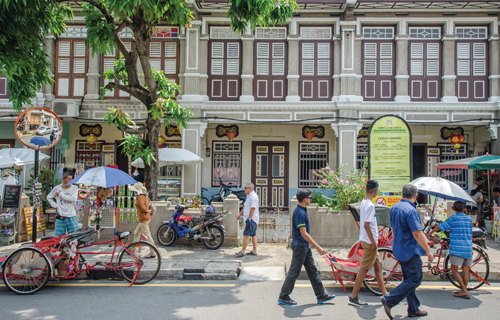
A new tradeshow in town, as well as strong state support in the form of a dedicated CVB, are likely to be a force of change in Penang’s tourist fortunes. By S Puvaneswary

online-oct14_shutterstock_298028663

Penang saw two major developments this year that augur well for the tourism industry, as it seeks to attract more quality tourists and bolster tourism revenue in the face of a weak ringgit labelled the worst-performing Asian currency for the first half of 2016.

The first was the establishment of the Penang Convention and Exhibition Bureau (PCEB), which came to fruition in January 2016, three years after the chief minister of Penang first announced that the state needed a dedicated bureau to attract more quality events and conventions to Penang.

Lim Guan Eng, Penang’s chief minister and PCEB chairperson, explained: “The average MICE tourist spends three times more than a business tourist.”

According to him, the average spend of a leisure traveller to Penang is RM2,000 (US$503), while business tourists spend an average of RM7,000.

The bureau, headed by CEO Ashwin Gunasekeran, is actively participating at international MICE shows overseas to attract more business to Penang. It also lends support to agents who bring MICE business to Penang.

Local DMCs are thankful for this new development. Saini Vermeulen, executive director, Within Earth Holidays, said: “(The bureau) makes it easier to get support when organising MICE events. It also makes it easier for us to market Penang (as a host destination) to our clients overseas as they know there is a dedicated bureau to support (their events).”

Ally Bhoonee, executive director of World Avenues, added: “With the PCEB’s launch, the state is in a better position to bid for international events and compete with neighbouring islands such as Phuket which offers similar products of beach, shopping and food.”

The second development took place in May, when Penang hosted the inaugural edition of WTM Connect Asia. The show brought together 50 exhibitors and 70 hosted buyers from 25 countries, including those that were not on Penang’s radar in the past like Lithuania, Mexico, Norway, Czech Republic, Canada, Denmark and Slovakia.

Ooi Chok Yan, CEO at Penang Global Tourism, said: “Having a world-class show in Penang is good branding for the state. It has also offered an opportunity for us to tap new markets.”

Commenting on the potential benefits a large-scale international show like WTM will bring, Adam Kamal, secretary-general of Malaysian Inbound Tourism Association, said: “Agents are influential and if convinced that the destination has appeal, they will include Penang in their brochure. That is a big win for Malaysia.”

Over the years, Penang has built a reputation as an arts and cultural centre, partly due to state government support that has allowed home-grown events to grow in stature, and attract both local and international visitors.

A major crowd-puller is the month-long annual George Town Festival, inaugurated in 2010 in honour of George Town’s designation as a UNESCO World Heritage Site. This event attracts more than 200,000 visitors to Penang each year, which is three to four times more than the monthly average of 50,000 to 60,000 international visitors.

Nanda Kumar, managing director, Hidden Asia Travel & Tours, added that direct flights linking Penang with major cities in Asia as well as Kuala Lumpur and major domestic points have made it easy to market the destination year-round.

Latest connections include AirAsia’s four-times weekly services to Ho Chi Minh City since November 2015 and its thrice-weekly services to Yangon from January 2016.

Penang is served by 214 weekly flights to 16 destinations in Asia, and 390 weekly flights to nine domestic destinations.

This article was first published in TTG Asia October 2016 issue. To read more, please view our digital edition or click here to subscribe.

Charting new paths to growth

0

Serviced residence chiefs tell Paige Lee Pei Qi and Xinyi Liang-Pholsena how hospitality consolidation and competition from home rentals are shaping their expansion and distribution plans
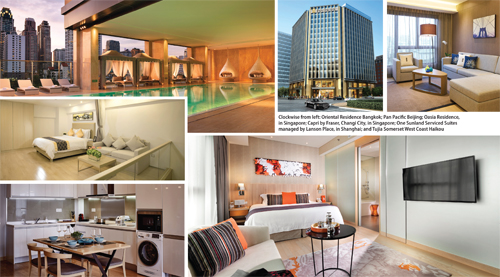
online-oct14_serviced-residences

Lee Chee Koon
CEO, The Ascott

Ascott has been studying industry trends to stay ahead of the curve. With the rise of the sharing economy and the consolidation of hospitality companies, we have established strategic alliances to leverage our capabilities and create a seamless O2O (offline-to-online and online-to-offline) experience.

We are embracing technology, tailoring the customer experience and transforming our business model to include the sharing economy. Last year, Ascott took a stake in Tujia.com International, China’s largest and fastest-growing online apartment sharing platform. On top of listing our properties, we also operate serviced residences in China under the new Tujia Somerset brand to cater to the booming middle-class travel segment. The joint venture will integrate Ascott’s strengths in managing properties as well as Tujia’s online capabilities.

Ascott’s partnership with Tujia is on the right track as Tujia’s annual transactions are growing at a phenomenal 300 per cent year-on-year and a record was set with single-day orders exceeding 56,000 roomnights. The growth of the sharing economy is set to continue and Ascott is ready to harness this opportunity.

Early this year, we partnered Chinese e-commerce giant Alibaba Group’s online travel service platform, Alitrip, to reach out to over 100 million Chinese travellers. Ascott is also accepting contactless payment modes to enhance customer experience. For instance, stays booked through Alitrip can be paid via Alibaba’s Post Post Pay service at our properties in China, allowing qualified guests to reserve apartments without paying a deposit and enjoy express check-out.

We are also expanding our global network with the support of strong capital partners like Qatar Investment Authority (QIA). Through Ascott’s fund with QIA, we have acquired four prime properties in less than a year in London, Paris, Melbourne and Tokyo for US$270 million. We are on track to achieve our global target of 80,000 units by 2020 through management contracts, investments, strategic alliances and franchises.

oct14_quote-leecheekoon

Choe Peng Sum
CEO, Frasers Hospitality

We can certainly expect more mergers and acquisitions (in the hospitality sector) to take place. The merger between Marriott and Starwood is a real game changer as they force other chains to re-evaluate their offerings and assess the need to join arms with other players, be it large or small chains, to better equip themselves for this increasingly competitive landscape.

This is exactly what Frasers Hospitality has done with the purchase of Malmaison Hotel du Vin group, two best-in-class hotel brands, doubling our offerings in Europe and further strengthening our global expansion plans to achieve our goal of 30,000 units by 2019.

Global expansion is very much on the agenda of Frasers Hospitality, and we are always on the lookout for growth opportunities, be it organically or through acquisition. The goal is to strengthen our position in cities where we already have an established presence and explore new opportunities in emerging markets with steady FDI inflows. Frasers Hospitality is open to acquiring established brands that may be small or even small brands that need to be rebranded and not limiting to just Europe.

Airbnb is here to stay and it would be foolish to ignore the impacts they have made on the hospitality industry. It has caused companies to rethink their entire distribution strategy and hotels are now looking to merge with distribution channels to improve their online distribution.

The entire consumer landscape of instant gratification and technology advancements, as reflected in the emergence of brands like Uber and Airbnb, has kept us on our toes. It has pushed us to enhance guests’ experience, be more efficient in responding to guests’ feedback and is a good reminder that our customers are at the centre of everything we do. This is vital as customers will vote with their feet as choices abound.

Richard Tan,
Vice-president, serviced suites, Pan Pacific Hotels Group

While the entry of alternative accommodation providers may mean more competition for the long-stay pie, it has also inspired us to rethink our value proposition and how we can continue to create and deliver value to our customers.

For us, this means focusing on the basics of good old hospitality and providing consistent, top-notch service to our guests. As a hotel company that owns, develops and manages 40 properties around the world, we are relatively smaller than other hotel chains, but that’s also an advantage because we can be closer to our customers and property owners.

Being in the digital age means we don’t need to have scale to connect directly with our customers; our online presence gives us global access to market to the rest of the world. This will become increasingly important as more people travel and the availability of alternatives like Airbnb will make travelling even more compelling.

In developing cities, long-staying guests are starting to appreciate the facilities of a hotel and recognising this, we converted a number of hotel rooms (e.g. Pan Pacific Tianjin, Pan Pacific Xiamen and Parkroyal Yangon) to cater to this rising demand. As one of the first few adopters of this “hybrid” model, we are in a good niche to also convert hotel guests to long-term residents at our serviced suites, which supports our growth in an organic manner.

We believe in pursuing partnerships strategically and seizing the right opportunity to venture into a new market. Our growth strategy focuses on building a network of hotels in key gateway cities and destinations, so location is one of the most important considerations.
For example, Pan Pacific Serviced Suites Puteri Harbour (opening 2018), which is located at a premium waterfront lifestyle development in Iskandar, Johor, sits in close proximity to medical and healthcare services, educational institutions and entertainment facilities. Pan Pacific London (opening 2019) will feature both hotel and serviced residences, and is located next to Liverpool Street station in the CBD.

Arthur Kiong
CEO, Far East Hospitality

To capture the interest of a new generation of travellers, corporate bookers and “bleisure” travellers, our service residences are providing more customised value-added offerings and differentiate our guest experience across our locations and serviced residence brands. This diversity not only enables us to address the different market segments but also provides our guests with an experience beyond the expected.

Our strategy is to provide all this at attractive price points with the prime locations of our serviced residences. In Singapore, for example, we have Far East Hospitality serviced residences in the Orchard district, Clarke Quay, Robertson Quay as well as Hougang, so our guests can choose the ones closest to their offices or the hot spots they would like to explore.

We just launched the Oasia Residence, the first Oasia brand in the serviced residence category, in Singapore’s West Coast near business parks and education institutions to meet the rising demand in an area where the current serviced residence supply is relatively low. Integrated into the Seahill residential development, the 140-unit Oasia Residence will offer full service apartments and facilities such as a swimming pool, gymnasium and a tennis court.

The Oasia Residence will add another 140 rooms to our service residences portfolio by the end of this year, coming at an opportune time as the region continues to mature and there is more demand for serviced residences from travellers.

We have several offerings under the Oasia brand that includes hotels (Oasia Hotel Downtown, Oasia Hotel Novena), hybrid models (Oasia Suites Kuala Lumpur, our first overseas venture for the Oasia brand), as well as serviced residences (the upcoming Oasia Residence).

Peter Henley
President & CEO, Onyx Hospitality Group

With the rising popularity (of Airbnb), travellers are increasingly introduced to home-style accommodation. This benefits operators like Onyx Hospitality Group, as we have a significant number of residence-style hotels and serviced apartments in our portfolio and pipeline. Our properties combine the convenience and draw of home-style facilities like fully-equipped kitchens, with the assurance and consistency offered by dedicated and professional teams.

As a fast-growing regional hotel company, Onyx offers a portfolio of brands. This includes Shama, a collection of serviced apartments in key city locations, as well as residential-style properties at selected Amari locations and Oriental Residence Bangkok.

Onyx has a rapidly expanding portfolio of 41 operational hotels, and another 20 in the development pipeline. We have a robust pace of new hotels signing, averaging 10 new deals being signed each year for Amari, Ozo and Shama.

Today, the group has an equal number of hotels within Thailand and internationally. We anticipate this ratio to transition towards 30 per cent within Thailand and 70 per cent internationally by 2018 as we continue to expand regionally.

We also recently entered into a strategic alliance with Singapore Hospitality Holdings to accelerate the growth of Ozo and Shama brands across the Asia-Pacific, with the aim of having 46 new hotels open by 2024.

Singapore Hospitality Holdings is helmed by hospitality entrepreneur Laith Pharaon, and the group’s hospitality investments include Amari Havodda Maldives (managed by Onyx), several projects with Soho House, and past experience with Six Senses, Hyatt and Four Seasons branded projects.
oct14_quote-peterhenley

Marc Hediger
CEO, Lanson Place Hospitality Management

Lanson Place has specifically introduced a third business model called Lanson Place Serviced Suites to address the changing trends and needs of professionals, millennials as well as the younger families who are relocating within Asia-Pacific.

This lean, efficient and contemporary serviced apartment style not only provides a higher return in investment for developers but most importantly offers residents a niche lifestyle, no matter the location or purpose of their tenancy.

Smaller units are creatively designed with unique combined open living and working spaces, co-sharing public areas are the extension of their homes offering seamless connectivity throughout the entire development, ‘grab n go’ F&B concepts and resident activities will promote well-being but also offer more energising activities.

A majority of Lanson Place’s pipeline deals are for the Serviced Suites model, and the group will continue to keep abreast of introducing new technical design requirements to adapt to both the millennials and existing customer base.

Lanson Place Hospitality Management will continue to expand its portfolio predominately though strategic management contracts in key gateway cities across Asia-Pacific for all three core business models (boutique hotels, serviced suites and serviced residences).

The group is very much open to form a joint venture or an alliance with reputable partners in specific markets. A proportion of our properties already form varying owning structures and this has proved well for the brand with addition to developing future long term relationships in different countries.

Businesses such as Airbnb allows us to constantly review our distribution channels (where potentially, units may be offered through this source). And as legislation in various jurisdictions become more relaxed as a result of Airbnb, Lanson Place may look to target shorter-term business in some countries within relevant market conditions, ensuring it would not affect our strength of achieving longer length of stay and engagement with our residents homes.
oct14_quote-marchediger

This article was first published in TTG Asia October 2016 issue. To read more, please view our digital edition or click here to subscribe.

Additional reporting by Xinyi Liang-Pholsena