TTG Asia
Asia/Singapore Wednesday, 25th February 2026
Page 153

Trisara expands villa collection to welcome multi-generational guests

0

Luxury Phuket hotel, Trisara has recently unveiled its largest-ever residence villa on site, a nine-bedroom ocean-front property that welcomes extended families and groups on holidays. This addition, according to the general manager, further sharpens Trisara’s appeal among its repeat multi-generational guests.

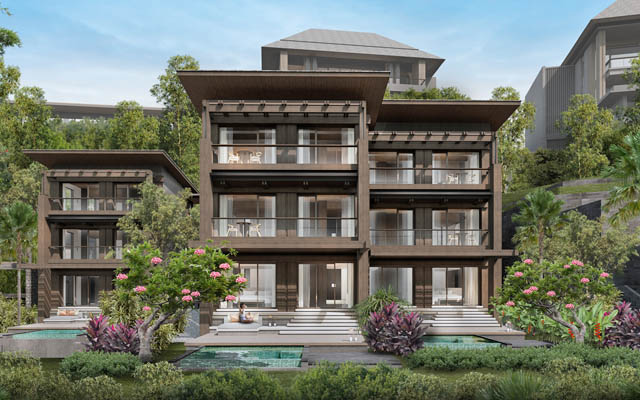
Known simply as Villa No.2, the 9,711m² nine-bedroom residence villa comes with seven well-furnished master bedrooms and two additional rooms as well as a collection of lush tropical gardens, manicured lawns, seafront decks, infinity pool, and an air-conditioned living and dining hall.

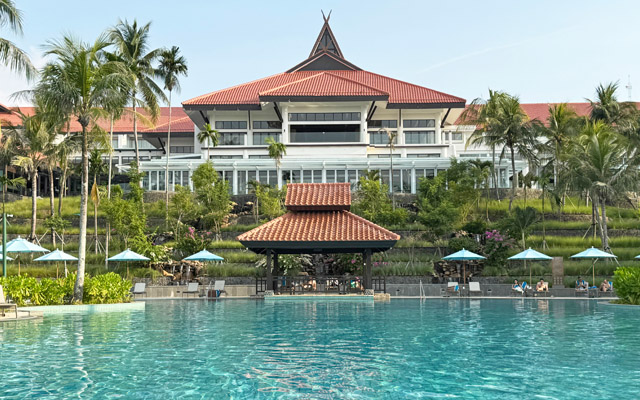
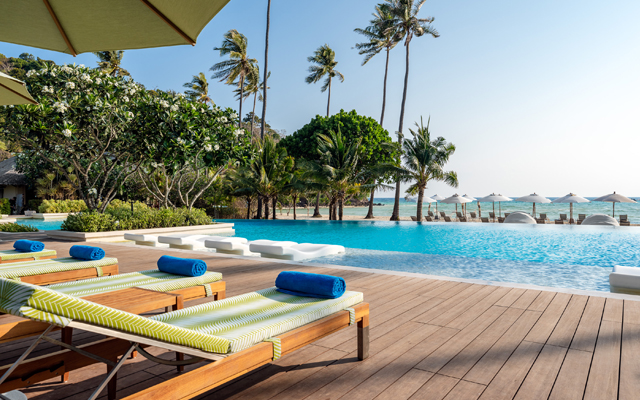
Trisara enhances its appeal to multi-generational travellers with the launch of its largest residence villa

Guests could enjoy their time together in complete privacy, if they so wished, with their daily requests attended to by a dedicated butler while a private chef, specialising in authentic Thai cuisine, could curate and present all meals onsite.

Villa No.2 is among many other residence villas sharing the sprawling grounds of Trisara with hotel villas and hotel facilities. The smallest residence villa is designed with two bedrooms.

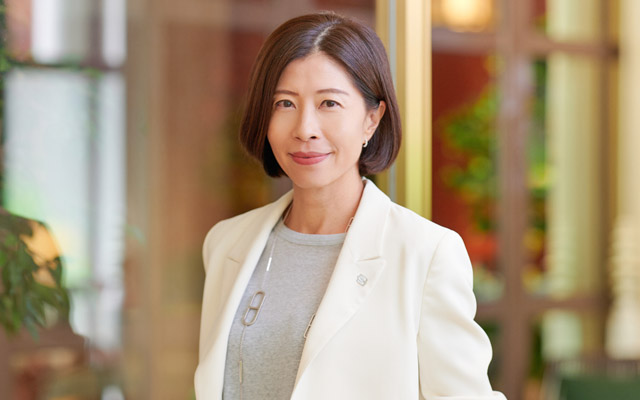
General manager Claudia Schwarze said Trisara is familiar with welcoming and caring for extended families and groups of friends choosing to holiday together.

“As we speak (on April 4), there is a group of 16 guests here with us. They are actually owners of one of Trisara’s villas, but have also booked another to accommodate everyone in the group,” she shared.

Schwarze added: “We are so used to having multi-generational travel groups with us, and it makes sense that our guests love coming back to Trisara because our owners designed the resort the way they would like to enjoy it with their family. Our owners come by often, from grandparents to young grandchildren.

“We thought carefully about family time, kids’ time, and adults’ time, and are giving each person what they need.”

Trisara’s kids’ club, which offers daily fun and educational programmes as well as both a book and video library, helps to keep young guests occupied should guardians seek personal time indulging in one of many experiences curated by the Trisara team. At Trisara, guests can join a cruise on a luxury motor yacht, go snorkelling in the Andaman Sea, get a crash course on MuayThai boxing from expert trainers, join a Thai cooking class, and more.

Trisara’s revamped F&B concept is complemented by a thoughtful children’s menu that is available at all resort restaurants.

Schwarze said: “We have been told that Trisara offers one of the most diverse and healthiest kids’ menu around Phuket. We don’t just offer nuggets and chips – yes, we need to have these favourites, but we also serve dishes like poached sea bass. We consider the different age groups and what they would want to eat.”

The multi-generational travel segment is lucrative, opined Schwarze, as most of such guests tend to stay all day on property to enjoy various facilities.

Cathay paves the way for future growth through sustainability

0

Cathay has released its 2024 Sustainability Report, outlining progress in its sustainability activities and confirming its commitment to long-term sustainable development.

As the Cathay Group enters its next phase of growth, sustainability remains a priority.

Cathay continues sustainability progress with SAF, circular economy goals, and community-focused programmes

Key highlights from the 2024 Sustainability Report include Cathay’s efforts to support a local Sustainable Aviation Fuel (SAF) ecosystem, including the launch of a tripartite SAF partnership with HSBC Hong Kong and EcoCeres, enabling SAF usage from Hong Kong International Airport (HKIA) and highlighting the potential for developing an SAF system in Hong Kong. The airline also co-founded the Hong Kong Sustainable Aviation Fuel Coalition (HKSAFC), a multi-stakeholder group aimed at supporting SAF policy development and adoption. Globally, Cathay’s Corporate SAF Programme recorded a 22-fold increase in SAF usage compared to its launch in 2022.

In support of a circular economy, Cathay Pacific reduced the average number of single-use plastic (SUP) items per passenger to 2.6 and introduced two new 2025 targets – to increase in-flight recycling of water bottles to 33 per cent and to ensure that at least 50 per cent of remaining passenger-facing SUP items are made from recycled plastics. A new workflow for recycling plastic bottles and cans was also implemented at HKIA.

In the community, 2024 marked the 20th anniversary of Cathay’s youth development programme, I Can Fly, which resumed after a five-year pause and was expanded to include an exchange tour in the Greater Bay Area.

Cathay’s CEO Ronald Lam said: “Having successfully completed our two-year rebuilding journey, we have now set our sights on growth and development, where sustainability remains an area where we aspire to lead and is at the forefront of our path forward.

“Our environmental focus continues to be on climate change and a circular economy. Beyond our environmental efforts, we remain committed to our deep roots in Hong Kong, enriching our communities through youth, sports, and arts initiatives while setting our sights on future growth by attracting, developing and retaining a strong pipeline of global talent.”

The 2024 Sustainability Report can be viewed here.

Cross Hotels & Resorts adds Cross Bali Waluya to its Bali portfolio

0

Cross Hotels & Resorts has signed a hotel management agreement with Agungwaluya Kuta Pengembang for Cross Bali Waluya, a 115-key resort in Bali’s Berawa neighbourhood.

The resort is set to open in 2029 and will operate under the Cross brand.

The 115-key Cross Bali Waluya is set to open in 2029

Located near Berawa and Batu Belig beaches, Cross Bali Waluya is situated in one of Bali’s most sought-after areas. The resort will feature one-bedroom suites, one-bedroom penthouses with jacuzzis, and two- and three-bedroom residences and penthouses with private rooftops, lap pools, and wellness facilities. Additional amenities will include a spa, fitness centre, infinity pool, kids’ zone, plunge pool, restaurant, and bar.

The resort’s design follows Tri Hita Karana, the Balinese philosophy of harmony between people, nature, and spirituality. From landscaped spaces to hospitality experiences, every aspect of Cross Bali Waluya is created to meet the modern traveller’s need for well-being, peace, and a connection with the environment.

Vigor Agungwaluya, director of Agungwaluya Kuta Pengembang, said: “Our collaboration with Cross Hotels & Resorts brings a fresh, dynamic approach to hospitality, offering spacious and thoughtfully curated stays that blend comfort with the unique charm of Berawa. We’re excited to open doors to a wider market and create memorable experiences for every guest.”

“Cross Bali Waluya embodies our brand philosophy of Luxury by Design. Every room category, amenity, and guest touchpoint has been envisioned to offer understated luxury in a setting that feels both inspiring and relaxed. Berawa is where culture meets creativity, and this resort will offer a refined base for guests who want to experience Bali through a new lens,” added Evan Burns, country manager – Indonesia, Cross Hotels & Resorts.

Digital Travel APAC Summit marks 10th edition, spotlights AI in 2025

0

The 10th edition of the Digital Travel APAC Summit will be held from August 12-13, 2025 at a new venue, One Farrer Hotel, Singapore.

The summit focuses specifically on digital developments in the travel sector, covering marketing, eCommerce, customer experience, and data. It is designed for professionals responsible for leading digital initiatives.

From left: Trip.com Group’s Amy Wei, Cathay Pacific’s Gordon Chu, TripZilla’s Winnie Tan, AMAN’s Olivier Jolidon, Teleperformance’s Andrew Budiman, and Embry-Riddle Aeronautical University’s Kim Chua

After highlighting emerging trends and disruption in 2024, the 2025 event will move towards actionable strategies, practical solutions, and scalable models to support digital progress across the industry.

This year’s theme, Navigating the Future of Travel: Building Trust in an AI-Driven World, focuses on the impact of AI on the travel industry. The summit will bring together over 300 senior leaders from airlines, hotels, online travel agencies, and tourism boards to discuss innovation, customer trust, and the sector’s digital future.

The two-day event will include sessions, networking opportunities, and travel technology showcases. The 2025 agenda will feature more panels and fireside chats, encouraging open discussions and increased audience engagement.

More than 50 industry experts will lead discussions on key challenges facing the travel sector in 2025. Topics will include how tourism boards define success and remain top-of-mind, adapting to shifting consumer behaviour, effective strategies for social media marketing, driving long-term success with AI, and using customer data platforms (CDPs) to enhance personalisation.

Attendees will also get to explore a lively exhibition zone, showcasing the latest in travel technology – from seamless booking tools to AI-powered CX platforms.

Aviation roundup: Cambodia Airways, Qantas and more

0
Cambodia Airways

Cambodia Airways inaugurates Phnom Penh-Hong Kong route
Cambodia Airways celebrated its Phnom Penh-Hong Kong service on April 1 with a ceremony at Hong Kong International Airport. The inaugural flight was celebrated with warm greetings and floral presentations at both Hong Kong and Phnom Penh airports.

This new route, the airline’s fourth non-stop connection to the Guangdong-Hong Kong-Macau Greater Bay Area, enhances its network across key regional cities, offering greater convenience for business travellers, strengthening ties between Cambodia and Hong Kong, and providing Hong Kong tourists easy access to Cambodia’s culture and historic sites.

Qantas

Qantas introduces non-stop flights between Singapore and Darwin
Qantas has launched a new non-stop flight from Singapore to Darwin, offering a direct connection between the Lion City and Australia’s Top End.

This new service adds over 70,000 seats annually and provides a more efficient gateway to Darwin, saving visitors time by eliminating the need to transit through other Australian cities.

Flights will operate four times a week on Mondays, Wednesdays, Fridays, and Saturdays. The service is operated by a Qantas Boeing 737-800 with 12 Business and 162 Economy seats. Eligible Qantas customers and Frequent Flyers will have access to the Qantas International First or Business Lounge at Singapore’s Changi Airport, as well as the Qantas Club in Darwin.

Vietjet

Vietjet launches four new Vietnam-China routes
Vietjet has launched four new non-stop services from Hanoi and Ho Chi Minh City to Beijing and Guangzhou as part of its 2025 expansion, which also includes new routes to India, Japan, and Singapore.

The new routes offer daily flights from Ho Chi Minh City to Beijing and Guangzhou, and from Hanoi to Guangzhou. The Hanoi-Beijing route will initially operate three times a week, transitioning to daily service from April 27. A new daily Hanoi-Shanghai service will begin on April 29.

These new routes are part of Vietjet’s broader international growth, with direct flights from Ho Chi Minh City to Hyderabad and Bengaluru in India having started in March, and new services to Nagoya and Fukuoka in Japan launching in late April. A new Phu Quoc-Singapore route will begin in May.

British Airways

British Airways restarts daily flights from London to Kuala Lumpur
British Airways has resumed flights from London to Kuala Lumpur, with the first flight departing London Heathrow on April 1 and arriving in Kuala Lumpur on April 2.

The daily service, operated on a 787-9 Dreamliner, provides UK travellers with direct access to Kuala Lumpur, a city with a range of attractions, a diverse culinary scene, and landmarks such as the Petronas Towers, blending modernity with a rich cultural history and offering opportunities for both exploration and relaxation.

Discover the best of Thailand with 137 Pillars’ new package

0

137 Pillars Hotels & Resorts has launched the Tale of Two Thai Cities: The Land of Lotus package, offering stays in both Chiang Mai and Bangkok.

Interest in Thailand has grown following its selection as the filming location for the third season of The White Lotus drama series.

Embrace Thailand’s cultural heritage and modern luxury with 137 Pillars’ unique two-city package

The Tale of Two Thai Cities: Land of Lotus package includes a stay in Chiang Mai, where guests can explore the city’s historical sites. The 30-suite hotel is set in a residential area near Wat Gate Temple, the Ping River, and local shops. Facilities include a pool beside a living wall of over 20,000 plants, and the Nitra Serenity Centre offering spa treatments. Dining venues include The Dining Room, Palette Restaurant, and Jack Bain’s Bar, which serves cocktails and champagne.

137 Pillars Suites & Residences in Bangkok offers a central location near the Emquartier and Emporium shopping areas. The hotel features two high infinity-edge pools, with the rooftop pool exclusive to Suite guests. Dining includes the Bangkok Trading Post Deli & Bar and Nimitr Restaurant, with private rooftop dining available. The Nitra Serenity Centre provides spa treatments for relaxation.

The package offers a 30 per cent discount on suite bookings in Bangkok and a 25 per cent discount in Chiang Mai, with a minimum two-night stay at each property. Additional inclusions at both locations are round-trip airport transfers, personal butler service, complimentary daily breakfast for two, a complimentary 60-minute Thai or Aromatherapy massage for two, additional F&B and spa discounts, as well as rooftop sundowners from 18.00 to 19.00 daily in Bangkok.

From now to October 31, rates start at 137 Pillars House from 19,000 baht (US$565) per night, and at 137 Pillars Suites from 17,100 baht per night.

For more information, visit 137 Pillars Hotels & Resorts.

Island adventures to see boost in Hong Kong

0

Released in December, the Development Blueprint for Hong Kong’s Tourism Industry 2.0 by the Culture, Sports and Tourism Bureau (CSTB) emphasises island tourism with plans to drive development and promotional efforts.

Considering the cultural and natural resources of individual islands, the blueprint will explore and promote distinctive countryside and island tourism itineraries while enhancing amenities for visitors.

The stunning Hong Kong UNESCO Global Geopark covers Sai Kung and a section of the New Territories, accessed by a mix of land transportation and boat

For instance, efforts to develop Lantau Island as a ‘Tourism Island’ will be intensified, integrating the leisure and recreational elements of North Lantau with the eco-tourism offerings of South Lantau. In addition, the development of the South Lantau Eco-Recreation Corridor will be expedited, as well as the ex-Lamma Quarry area into a resort and outdoor recreational area.

Yacht tourism is on the list as well. The Hong Kong Development Bureau is looking to promote this in the expansion area of the Aberdeen Typhoon Shelter, the ex-Lamma Quarry area, and the waterfront near Hung Hom Station. It will invite private organisations to explore the construction and operation of yacht berthing facilities there, alongside other initiatives.

In fact, island tourism is not something new, as the Hong Kong Tourism Board (HKTB) has been a long-time supporter of this initiative.

A HKTB spokesman said: “The city’s breathtaking great outdoors are minutes away from the urban hustles, making it an integral part of Hong Kong’s tourism appeal. As such, we leverage the city’s scenic nature and outdoor activities for tourism promotions on various channels to provide an enriched experience to visitors.”

The spokesman cited the year-round Hong Kong Great Outdoors campaign, launched in 2009, which provides guides to activities such as hiking, beach outings, outdoor sports, cycling, sightseeing, and outlying island tours.

The Sai Kung Hoi Arts Festival showcased artworks across the four Sai Kung islands

HKTB has also been supporting outlying island event promotions to raise awareness of the vibrant culture and diverse happenings on the islands. These include the Sai Kung Hoi Arts Festival and the Cheung Chau Bun Festival.

Founder and chief foodie officer of Hong Kong Food Tours, Cecilia Leung, welcomes the focus on island tourism, citing it as an opportunity to showcase Hong Kong’s lesser-known natural beauty and attract eco-tourism travellers who might not otherwise consider the city as a destination.

Said Leung: “This also encourages repeat travellers to return to Hong Kong to explore the islands. Although our groups are small, logistical arrangements still need to be carefully considered, and it is crucial to ensure that the environment is being protected.”

She also noted that private and customised tours are on the rise. “A premium, more exclusive island experience could be developed for higher-spending travellers seeking unique experiences,” she added.

“It’s an interesting idea to explore building large-scale integrated resorts as part of the island tourism strategy. These integrated resorts should still have easy access to the city centre to allow visitors to explore other parts of Hong Kong,” Leung said.

When it comes to green and culture tourism, Walk in Hong Kong co-founder and CEO Paul Chan, and Eco Travel GM Derek Tse specialise in such journeys, yet still face challenges. This could be something the blueprint could improve in the future.

Tse opined that most of these islands for tourism are located in the eastern part of Hong Kong, such as Sai Kung, Lai Chi Wo and Sha Tau Kok.

He added: “We don’t openly advertise this as a regular offering and only provide tailor-made arrangements due to challenges such as logistical limitations. For instance, we organised a half-day post-conference tour to the Hong Kong UNESCO Global Geopark for 400 international doctors. However, due to a very limited selection of boats and a monopolised operation, we had no choice of vessel and had to split the group into two boats, despite booking two months in advance.”

Accessibility is key for Hong Kong’s more than 260 islands, emphasised Chan, adding that the government must play a role to facilitate this in order to fully integrate island tourism into the economy.

Tai O island is home to a historic fishing village; photo by Hong Kong Tourism Board

He said: “Although we are a forerunner in offering various experiences in Yan Chau Tong harbour as well as in the Sha Tau Kok (STK) Frontier Closed Area, the stumbling block is still the requirement to apply for an entry permit three days in advance.”

STK, a restricted area, was opened to visitors in 2022. Along with the neighbouring villages of Lai Chi Wo, Kuk Po, and Ap Chau, they form a cluster rich in Hakka culture.

In January, Chan incorporated the Countryside Harvest Festival of Kuk Po into the tour experience. By partnering with local villagers, the event featured outdoor concerts, drama performances, a photo exhibition with lion dance, and a marketplace. It drew one to two tour groups comprising overseas visitors.

Shared Chan: “Indeed, the city offers more options beyond popular destinations like Lantau and Cheung Chau. However, unpredictable summer weather limited our tour availability to autumn and winter. Price-wise, as it caters to a niche market, the costs of transportation and food arrangements to these remote areas are higher.”

In Sai Kung, the Hong Kong Pearl Cultivation Association offers a pearl farming workshop that incorporates eco-tourism elements that include environment, community and culture, as well as the actual hands-on experience.

General manager David Wong said: “The availability of hardware such as hotel facilities and piers are all the more important as the islands don’t have them. I believe that tourists (would rather) stay overnight on those remote islands than to rush to catch the last boat back to the city. Otherwise, they might need to charter a boat, which can be very costly.”

Tourism 2040 plan advances; Singapore outlines development plans through three key pillars

0

The Singapore Tourism Board (STB) has revealed more details of the country’s Tourism 2040 roadmap, which will rest on three key pillars: capturing demand from high potential growth opportunities; strengthen the destination attractiveness through compelling tourism products and experiences; and developing tourism industries through investment promotion and capabilities development efforts.

Tourism 2040 was first announced at the Tourism Industry Conference (TIC) in 2024, and what followed were interactions with industry players and members of the public to obtain suggestions on crafting the future of Singapore tourism together.

Singapore Tourism Board reveals its development strategy at the Tourism Industry Conference 2025

“We… greatly appreciate the ideas that you have shared with us,” said STB chief executive, Melissa Ow, this morning at TIC 2025.

To capture quality demand, STB has set its sights on the business events sector. The goal is to triple MICE tourism receipts by 2040, and have this sector contribute around 10 per cent of overall tourism receipts – up from four per cent now.

Ow said pursuing this sector also brings significant economic benefit.

“Anchoring key MICE events and activities will further deepen our connection to strategic sectors of growth, which is all the more important now, to enable us to grow our economic heft by convening influential actors and thought leaders in Singapore, thereby amplifying our status as the world’s best MICE city. The work starts now, and we have begun laying the groundwork.”

Upcoming high-profile business events in Singapore’s bag include Herbalife Extravaganza 2026, which is expected to be Singapore’s largest meeting and incentive travel event yet, with an anticipated 25,000 attendees.

To accelerate growth in business events, Singapore has partnered with the Singapore Business Federation to scale up capabilities to bid and host world-class events in Singapore, and with the Singapore Association of Convention & Exhibition Organisers & Suppliers to pilot a programme that helps event organisers to incubate quality events.

Demand will also be nurtured through a hotter pursuit of transit passengers at Singapore Changi Airport.

To boost Singapore’s attractiveness as a destination, the second pillar for Tourism 2040, Singapore will deepen efforts to anchor quality, world-class attractions. Doing so will attract leisure visitors who now prioritise sightseeing and attractions.

Singapore will welcome the Singapore Oceanarium later this year at Resorts World Sentosa, as well as the Porsche Experience Centre and the new Science Centre in 2027.

“Leading up to 2040, we will continue to pursue compelling concepts with strong visitor appeal, and secure large-scale, first-in-the-world concepts. We welcome stakeholders who have interesting proposals to connect with us,” shared Ow.

Various precincts will also be transformed to provide visitors with more reasons to stick around. Rejuvenating efforts are underway along the Orchard Road shopping belt. Somerset, which connects with Orchard Road , will welcome “exciting events” when the Grange Road events space by Live Nation opens. Greater Sentosa has a pipeline of new attractions, reimagined beach experiences, and expanded heritage trails, while the Changi East Urban District is envisioned to be a vibrant lifestyle and business centre at the doorstep of Changi Airport Terminal 5.

Cruises, wellness and destination hotels, as well as leisure events will also add to the destination’s attractiveness, opined Ow.

“STB has identified potential areas in the wellness tourism space including science-backed wellness and longevity experiences that enhance health span. These have significant tourism appeal, with sizeable visitor spend and opportunities to drive repeat visits,” she said.

Singapore has an ambition to be Asia-Pacific’s leading leisure events hub, according to Ow, and will achieve this by securing more world-class sports, lifestyle, and music events. There will be more home for such events, as new venues enter the market over the next few years. They include the Immersive Media Based Theatre at Gardens by the Bay later this year, Marina Bay Sands’ upcoming Arena, and a new indoor arena in Kallang.

Industry development forms the third and last pillar for Tourism 2040. STB has committed to investing in quality tourism products as well as reinvesting and retooling the tourism workforce. Come July, the Travel Agent Roadmap will be rolled out to help travel agents be the “Curators of Travel that Inspire”, said Ow.

Tourism businesses can also obtain support through STB’s Data Analytics Shift programme and Tourism Accelerator programme, both relevant for business transformation through technology applications.

Addressing Singapore travel and tourism trade players at the conference, Ow said tourism receipts would reach between S$47 billion (US$35.5 billion) and S$50 billion by 2040.

“In line with quality tourism, we expect tourism receipts to grow at a faster pace than international visitor arrivals,” she said.

When asked if Tourism 2040 would be disrupted by the potential global trade war and recession, Ow said: “It’s still too early to determine what the impact could be for Singapore’s tourism sector. We take confidence in the fact that Singapore’s tourism sector has a very diverse portfolio of markets, so there is no single market which accounts for significant share of visitors. I think that diversity of market portfolio will serve us very well in building resilience.

“The critical thing to note is many of our partners remain committed to seeing through plenty of programmes and initiatives that they have lined up for 2025 and beyond. Today, we announced our longer term plan for tourism. That’s to say that even as we look at the immediate year with caution and optimism, it is important to also keep an eye out for long-term prospects.

“Time has proven that travel and tourism remains one of the most resilient sectors that has bounced back from recession and pandemic and continues to thrive.”

Embraer appoints MD and SVP of sales and marketing (China)

0

Embraer has named Patrick Peng as managing director and senior vice president sales and marketing, commercial aviation, Embraer China.

Peng will lead Embraer’s operations in China and report to Martyn Holmes, chief commercial officer of Embraer Commercial Aviation.

With over 20 years of experience, he has held key roles at Airbus, GE Aviation/CFM, Thales, and Safran. His track record includes strategic sales leadership, billion-dollar service contract negotiations, and building long-term partnerships with airlines, OEMs, and regulators in China.

Singapore’s new stopover campaign yields strong interest

0

A new stopover campaign to drive more conversions from transit and transfer passengers at Singapore Changi Airport has attracted keen attention and interest, said the country’s tourism chief.

Titled The Singapore Lounge, the campaign is led by the Singapore Tourism Board (STB), Changi Airport Group and Singapore Airlines. The video campaign highlights both attractions and hospitality zones within the award-winning airport as well as experiences beyond the facility. Altogether, the visual content underscores destination Singapore as the perfect lounge for visitors.

Among the three free city tours offered to transit passengers at Singapore Changi Airport, one takes guests through Singapore’s heritage areas such as Kampong Gelam, where the Sultan Mosque rises

Travellers transferring in Singapore can easily access all parts of Singapore from Singapore Changi Airport by public transportation. Those with at least 5.5 hours to 24 hours to spare before their next connecting flight can also choose to go on one of three free city tours. Options include the City Sights Tour, which covers key architectural landmarks; Heritage and Culture Tour, a journey through Singapore’s past; and Singapore River and Marina Bay Sands Tour, which traces the country’s past as a trading port to the futuristic city it is today.

STB chief executive Melissa Ow shared during the Tourism Industry Conference 2025 this morning that the introduction of Changi Airport Terminal 5, set to open in the mid-2030s, will present growth opportunities for passenger movements to and through Singapore.

“Transit and transfer segment currently makes up about a third of Changi Airport’s overall passenger traffic, and this presents good growth potential for us,” she said.

She added that The Singapore Lounge campaign was “just one example of how we are working with our partners to drive stopovers”.

Later, Ow also told TTG Asia that STB would involve more partners in the campaign to encourage additional stopover visits in Singapore.

Commenting on the new air terminal’s contribution to Singapore’s tourism industry, Grace Fu, minister-in-charge of trade relations, said: “Looking ahead to the mid-2030s, the opening of Changi Airport Terminal 5 will be a game-changer to expand our airport capacity by around 50 million passengers yearly.

“This will be an increase of over 50 per cent from the current capacity of 90 million passengers. STB and our partners will create compelling business and lifestyle experiences to encourage more transit and transfer passengers to make a stop in Singapore.”

In the Megahubs 2024 report published by aviation intelligence agency OAG to track the world’s most connected international airports, Singapore Changi Airport ranked among the top eight most connected airports in Asia-Pacific.

Among the Top 50 Global Megahubs, Singapore Changi Airport took the 13th spot.

In an earlier interview with TTG Asia, Mayur Patel, head of Asia at OAG Aviation, noted that a megahub status “lays a strong foundation for international tourism”, but its depth of advantage “depends on the destination’s ability to convert connectivity into visits”.

He added: “Airports and tourism authorities must work together, leveraging stopover programmes, destination marketing, and partnerships with airlines to maximise the tourism potential that megahub connectivity provides.”