When The White Lotus Season 2 aired on screens in October 2022, Expedia recorded a 300 per cent increase in searches all over the world for San Domenico Palace, Taormina, A Four Seasons Hotel, and Sicily, where the drama series was set and filmed. A similar frenzy erupted when Season 3 was announced, according to Lavinia Rajaram, Asia travel expert and director of public relations at Expedia Group, and this time Thailand is the beneficiary.
In this episode of TTG Conversations: Five Questions, Rajaram discusses the persuasive power TV shows, music videos and concerts have on travel and tourism desires and bookings, the business impact The White Lotus Season 3 is having on Koh Samui, Bangkok and Phuket, and what travel suppliers and destination marketers should do to leverage business opportunities gifted by hit shows and music videos.
Klook's Travel Pulse research found that social media recommendations have a large influence on how 79% of millennials and Gen Z travellers plan their trips
Travel is a from of escape and stress relieve for millennial and Gen Z travellers but nine in 10 are unable to take their trips.
The finding comes from Klook’s latest Travel Pulse research, conducted with consumer insights platform, GWI. It surveyed over 7,000 respondents across 14 markets including Hong Kong, Taiwan, Singapore, Malaysia, Philippines, Thailand, Vietnam, South Korea, Japan, Australia, Mainland China, India, Indonesia, and the United States.
Time constraints, work commitments and financial concerns were the top reasons for not being able to travel, with travellers from Mainland China feeling the most time-strapped (74%).
Klook’s Travel Pulse research found that social media recommendations have a large influence on how 79% of millennials and Gen Z travellers plan their trips
“Millennials and Gen Z increasingly turn to travel as their ultimate form of therapy,” says Eric Gnock Fah, president and co-founder, Klook. “While life’s stressful demands often leave many frustrated, the transformative power of travel is undeniable. With 92% hit hard by post-travel blues, and nearly 40% immediately planning their next getaway, it’s clear that travel offers more than just a break – it’s a force for self-discovery, creativity, and renewal.”
However, while they feel time strapped, 84% of travellers have already planned international trips for 2025, compared to 71% in 2024. Japan tops the list, followed by Mainland China, seeing a seven time increase in yearly demand. When choosing their next destination, 28% seek out new places they have never visited.
Cost is also a factor in travel decisions. While these travellers are budget conscious, they are not willing to compromise on experiences, with 91% allocating up to half their budget on experiences, instead of splurging on other areas like flights. Unique and authentic experiences remain a top priority, with local cuisine and off-the-beaten-path destinations topping the list.
Gen Z travellers are more budget-conscious, preferring bundled travel packages to stretch their spending.
Social media is another determining factor in holiday planning, driving 79% of travellers to book activities, accommodations and dining experiences based on social media recommendations.
Travellers from Indonesia, Thailand, Vietnam, and the Philippines tend to act on social recommendations, while those from Australia, Japan, and the US are less influenced. 27% of those surveyed are willing to pay up to 20% more to visit trendy and social media-worthy spots.
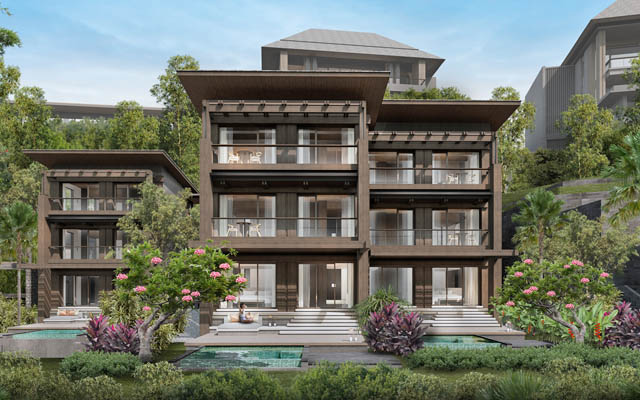
The 160-key Anantara Thousand Island Lake Resort will be the fifth Minor Hotels' property in China
Scheduled to open on the banks of Qiandao Lake in Hangzhou City in October 2027, the Anantara Thousand Island Lake Resort is Minor Hotels’ latest project in China.
The hotel group and its Chinese joint venture Funyard Minor have partnered YouChao International Tourism Hotel to develop the 160-key resort, which blends Anantara’s luxury and lifestyle expertise with the natural beauty of its surroundings.
The 160-key Anantara Thousand Island Lake Resort will be the fifth Minor Hotels’ property in China
The property is designed to accommodate a wide range of guests, from solo travellers to families and business travellers. Rooms will range from 62m² to 340m², while dining outlets will include all-day dining, specialty and Chinese restaurants.
Facilities include a fitness centre, swimming pool, spa, tennis court, tea garden, a forest oxygen bar, as well as a multifunctional banquet and meeting space.
“This cooperation marks another significant milestone in our expansion in the Yangtze Delta Region, while also showcasing our deep commitment and confidence in the Chinese market. We look forward to this project bringing positive economic impact to the local community and promoting the sustained development of the tourism industry,” said Eddy Tiftik, vice president of development for Greater China at Minor Hotels Group and a board member of Funyard Minor China.
Anantara Thousand Island Lake Resort will be located 22km from Qiandaohu Railway Station that links it to tier one cities such as Hangzhou, Shanghai, Beijing and Nanjing, and 150km from Hangzhou Xiaoshan International Airport.
Minor Hotels currently operates four properties in China and plans to grow to 15 properties within the next three years.
Amadeus vice president Paul Wilson is confident that the hospitality sector will continue to see growth based on changing travel trends
Optimism is on the cards for hospitality markets in Asia-Pacific (APAC) this year. A broadly positive economic landscape combined with easing regulation in several key destinations and a widespread appetite for technology investment will create robust conditions for a positive year ahead.
The region is home to some of the fastest growing economies in the world. Both India and Vietnam, for example, are experiencing annual GDP growth of above 6 per cent, according to the International Monetary Fund, while APAC can expect GDP growth of 4.4 per cent over the course of the year ahead.
This background paints a positive picture for the region.
A rapid rebound in tourism continues across APAC after the COVID-19 pandemic, thanks in part to the continued easing of travel restrictions and improved air connectivity in 2024. Amadeus’ own figures reveal that hotels in the region are seeing strong demand, with 67 per cent average occupancy rates from January to October 2024.
This year, inbound and outbound travel to and from Asia, including China, is expected to reach pre-pandemic levels for the first time. Given the importance of China as a key travel source market, this comeback has been long-awaited, with the destination easing restrictions to accelerate the process.
Until the end of 2025, visa exemption will be applied to ordinary passport holders from Bulgaria, Romania, Croatia, Montenegro, North Macedonia, Malta, Estonia, Latvia and Japan on a trial basis, while officials have also confirmed visa-free stays will be extended to 30 days, up from the current 15. Thailand, another tourism powerhouse, has also expanded its tourism visa exemption scheme to include 93 countries, illustrating renewed ambition in the sector.
Looking ahead, the growing APAC middle class is expected to account for 50 per cent of global air passenger growth over the next 15 years, according to IATA. Next year alone, the global share of leisure travel spending from APAC is expected to increase from 29 per cent in 2023 to 35 per cent in 2025.
Finally, over the festive period, destinations including Phu Quoc in Vietnam, Macau in China and Cebu in the Philippines saw some of the highest hotel occupancy rates anywhere in the world – and these trends can be expected to continue into 2025.
How are hoteliers responding?
There is, then, plenty to suggest the year ahead will be a positive one for APAC hospitality. In our Travel Technology Investment Trends report, we asked 100 industry leaders and found, not only are there clear signs of broad investment, but also substantial increases in funding for technology.
On average, hoteliers planned to spend 16 per cent more on technology investment in 2024 than in the prior year, with 65 per cent of the industry planning to expand investment by more than 10 per cent.
Our study revealed the average spend on digital media, per property, is currently $74,337, with the greatest focus of campaigns being to target new segments of guests. This remains a key area of investment, where campaigns can also help companies identify where guests are currently searching and booking, help businesses make strategic decisions.
At the same time, virtually all (98 per cent) of the 100 hospitality leaders we spoke to recognise that artificial intelligence (AI) has the potential to bring significant benefits to their businesses. Generative AI, such as chatbots, was considered the most important technology by 37 per cent of respondents, with hoteliers hoping that the technology will help them identify and upsell opportunities to travellers at all stages of the booking process and create personalised experiences for guests.
What impact will this have on travellers?
For travellers, these investments have the potential to translate over time into quicker and smoother service throughout their trip. AI generated personalised offers, for example, will elevate guest experiences, as they will be able to have more comprehensive and connected trips, with easy access to compelling offerings such as car hire, added excursions or specific room attributes.
Other new capabilities will allow for quicker service time and a smoother booking process. These changes increase the opportunity for improved guest satisfaction and more memorable travel experiences.
From the moment travellers begin their search to the time they return home, new solutions empower hotels, destinations and travel providers with insights to enable exceptional experiences at every step of the journey.
Travelling with a big group? Avani+ Khao Lak Resort’s Two Bedroom Royal Beachfront Pool Villa features a private pool, al fresco jacuzzi and living room for all to enjoy
Avani Hotels & Resorts has introduced a collection of multi-room villas, suites, and residences designed at several of its properties at more affordable prices with its Suite Escapes package.
In Thailand, Avani+ Khao Lak Resort’s Two Bedroom Royal Beachfront Pool Villa (765m²) is targeted for groups of friends features a private pool, al fresco jacuzzi and living room. Prices start from US$1,420 per night.
Travelling with a big group? Avani+ Khao Lak Resort’s Two Bedroom Royal Beachfront Pool Villa features a private pool, al fresco jacuzzi and living room for all to enjoy
For families, Avani+ Fares Maldives offers an expansive 368m² Three Bedroom Sunset Over Water Pool Residence surrounded by the sea. Make the most of the villa’s facilities the moment you step out of bed into the blue lagoon or dine on the sun deck. Parents can relax in the AvaniSpa while children can play in the AvaniKids club.
Price is approximately US$4,906 per night for up to two adults and five children.
Another child-friendly place is the Avani+ Hua Hin Resort with a 268m² Avani Two Bedroom Sea View Villa, complete with sunlit nooks, uninterrupted sea views and separate bathrooms. Villa stays also come with extra perks including AvaniClub Executive Lounge access, daily breakfast, all-day refreshments and sundowner.
Price is approximately US$550 per night for up to five adults and one child.
Couple seeking a romantic retreat may consider the Avani+ Koh Lanta Krabi Resort. The 265m² Grand Ocean Residence (from approximately US$1,286 per night) located on the clifftop offers an unmatched view, while the private pool, in-residence barbecue, kitchenette helps guests feel at home. Daily complimentary Thai massages are also available.
Another option is Avani Kalutara’s Avani Ocean View Pool Suite (from approximately US$234 per night) in Sri Lanka. The 60m² Ocean View Pool Suite is an intimate retreat and comes complete with a private plunge pool, direct beach access and a cosy terrace.
Raffles Sentosa Singapore – the second property in the country bearing the luxury label and the only one across the city-state that offers solely luxury villas – has opened on March 1 with 60 per cent of rooms taken.
According to Cavaliere Giovanni Viterale, cluster general manager of Raffles Sentosa Singapore and Sofitel Singapore Sentosa Resort & Spa, the 62-key property’s opening “has been highly anticipated” and enquiries on rooms streamed in “over a year ago”.
The luxurious experience promised by Raffles Sentosa Singapore begins from the grand and serene entrance
The 62-key Raffles Sentosa Singapore opened for bookings in mid-January and followed up in February with the Welcome Home experience, offering guests a chance to be among the first to stay at the property. The Welcome Home experience is available for bookings from March 1 to September 30, 2025.
“Given that this is the SG60 celebration year (where Singapore celebrates 60 years of independence), we are confident that demand will continue to increase throughout the year,” Viterale told TTG Asia.
When asked how different and complementary the new Raffles Sentosa Singapore and the 1887-established Raffles Singapore in the city centre are, Viterale said: “The opening of a second Raffles in Singapore will create two complementary experiences, offering guests more choice and opportunities to stay with Raffles in a key global destination.
“Raffles Sentosa builds on the rich heritage of Raffles Singapore by offering an experience distinct to Sentosa island, combining the iconic Raffles luxury with the tranquility and beauty of the beach. Guests at Raffles Sentosa can look forward to a contemporary design set in a serene natural environment, complete with beachfront access, five diverse culinary venues, and a strong emphasis on well-being.
“We anticipate that the resort will attract both international visitors and locals, especially those seeking an intimate getaway, yet still within easy reach of central Singapore.”
Over in the heart of the city, Raffles Singapore “remains a historic icon”.
He sees both properties presenting “opportunities to enhance the overall Singapore tourism experience, providing guests with diverse yet complementary experiences”.
Due to the Raffles Sentosa Singapore’s proximity to central Singapore – a 15-minute drive away – as well as wide range of facilities that include dedicated event venues, combination potential of villas to create a larger, unique space for creative events, and bespoke wellness offerings, Viterale believes that corporate event planners can offer a “bleisure” experience to event attendees at the hotel.
Viterale shared with TTG Asia that his commercial team has started to showcase the property to potential clients for corporate buyouts. At press time, the hotel has “several” events as well as weddings on the books.
Indonesia can elevate its wellness offerings with the many spas and hot springs available; Banjar hot spring in Bali pictured
The Indonesian Ministry of Tourism (MoT) is working to reform the local travel and tourism industry to enable a five per cent contribution to the national GDP by 2029. Key strategies will focus on attracting high-spending travellers and developing high-value tourism products.
Speaking at the Indonesia Hotel and Restaurant Association (IHRA) national conference, Rizki Handayani, MoT’s deputy for industry and investment, highlighted the government’s efforts to make tourism a priority sector.
“The national government is restructuring all sectors, including tourism, to drive economic growth. Our goal is to position tourism as a leading contributor to the national economy,” she said.
To boost visitor spending and revenue, MoT is focusing on travellers that seek premium experiences.
Indonesia can elevate its wellness offerings with the many spas and hot springs available; Banjar hot spring in Bali pictured
“We must provide products that resonate with high-value travellers,” she said, adding that the ministry is prioritising wellness, gastronomy, and marine tourism to cater to current travel trends.
She said Indonesia has potential and resources, such as spas and hotsprings, to elevate its wellness offerings and compete with destinations like Thailand.
She also encouraged local restaurants to sharpen their gastronomic offerings to help position Indonesia as a recreational destination.
As for marine tourism, MoT is driving the development of marinas and boating infrastructure to capitalise on the growing yachting industry across South-east Asia and Australia.
“Indonesia is a prime destination for yachts, and improved facilities will stimulate related industries and attract more visitors,” she opined.
There are also plans for MoT to create and promote unique events, both business and sports-related, to attract international attention.
“We can leverage existing events like the Jakarta Marathon and Tour de Singkarak, as well as develop new ones,” Rizki suggested.
Meanwhile, in collaboration with the Indonesia Inbound Tour Operators Association (IINTOA) and the Indonesian Travel Agents Association (ASTINDO), MoT plans to introduce specialised travel segments, such as architectural tours, to attract deep-pocketed and educational tour groups.
Haryadi Sukamdani, chairman of IHRA and the Association of the Indonesian Tourism Businesses (GIPI), affirmed the industry’s readiness to support MoT’s initiatives.
He said:”Our members are prepared to enhance facilities and adapt to evolving trends.”
He adding that both associations would increase participation in international travel marts, organise the Wonderful Indonesia Tourism Fair, conduct roadshows across eight Indonesian cities, and enhance digital marketing efforts.
Rizki also highlighted the need to update the Standard Classifications of Indonesian Business Fields to accurately reflect the tourism sector’s contribution to national GDP.
“Currently, only traditional hotels and restaurants are fully accounted for. We need to include villas, homestays, glamping, and other emerging accommodation types,” she explained.
MoT will collaborate with IHRA and GIPI to propose these changes to Statistics Indonesia.
Sri Lanka's diverse offerings from culture and heritage to gaming and natural attractions continue to lure Indian travellers
Sri Lanka’s variety of attractions in a compact destination as well as a new casino set to open in Colombo mid-2025 will provide Indian travellers with more reasons to visit, say Indian tourism officials.
According to Rajiv Mehra, president of the Indian Association of Tour Operators (IATO), Sri Lanka is a top choice for Indian travellers due to the destination’s proximity, cultural ties, and diverse attractions.
Mehra added that India has a strong market for gaming tourism, but travellers are limited by domestic options beyond Goa and Sikkim. As such, Sri Lanka, with its proximity and luxury offerings, presents a compelling alternative.
Sri Lanka’s diverse offerings from culture and heritage to gaming and natural attractions continue to lure Indian travellers
India is Sri Lanka’s biggest source market, accounting for 416,974 visitors out of a total of two million arrivals in 2024, and is more than double of second-placed Russia, which accounted for 201,920 guests.
Amitabh Kant, the man behind India’s highly successful nation branding campaigns, Incredible India and Kerala state’s God’s Own Country, recently told the media that Sri Lanka is a unique tourism product that has yet to be discovered by a vast majority of Indians.
During his visit to Colombo last week, Kant urged Indian travellers to “come and discover the rich heritage, culture and architecture of Sri Lanka”.
Kant, a retired Indian bureaucrat and the former chief executive officer of NITI Aayog, a public policy think tank of the government of India, noted that India has an outbound market of 20 million.
The Drops feature shows flight prices that have dropped by at least 20 per cent
Users of the Skyscanner app have access to a new Drops feature – that shows a collection of flights from a nearby airport that have dropped in price by at least 20 per cent that day compared to the last seven days.
The Drops feature shows flight prices that have dropped by at least 20 per cent
According to Skyscanner’s research, based on all Drops to Singapore travellers in January 2025, 38 per cent of all Drops were published before 9am, with Wednesday being the most popular DROPS day.
For destinations, Bangkok took the top spot for having the most number of reduced flight prices, with Taipei and Kuala Lumpur coming in second and third respectively.
Flights to Tokyo had the largest average savings based on departure from Singapore, with Chengdu and Chongqing in second and third place respectively.
Piero Sierra, chief product officer at Skyscanner said: “Helping cost-conscious travellers plan and book their trip with ease and confidence is at the core of what we do at Skyscanner – building features like DROPS is just the next step to help inspire travellers to explore – no matter their budget.”
Hilton will add three new Hilton Garden Inn properties in Hoi An, Sabah and Bali; Hilton Garden Inn Beihai Jiafu pictured
Hilton has signed three new Hilton Garden Inn properties in South-east Asia – Hilton Garden Inn Hoi’An Tra Que Village, marking its foray into Hoi An; Hilton Garden Inn Kota Kinabalu Tuaran, and Hilton Garden Inn Bali Nusa Dua.
These add more than 560 keys as they join a pipeline of 28 mid-market openings scheduled for the coming years.
Hilton will add three new Hilton Garden Inn properties in Hoi An, Sabah and Bali; Hilton Garden Inn Beihai Jiafu pictured
The brand plans to more than triple its focused service footprint in the region in the coming years, increasing the number of Hilton Garden Inn properties, as well as other mid-market branded hotels, from 12 to 40. Its biggest expansion will be in Vietnam, bringing the two focused service properties currently in operation to almost 20.
“Malaysia, Indonesia and Vietnam are experiencing record tourism arrivals as some of the most-visited destinations in South-east Asia. We are growing our focused service presence to cater to rising intra-regional travel and an upwardly mobile middle class arriving from all over the region, looking to deliver everything our customers want where they want it,” said Alexandra Murray, area vice president and regional head of South East Asia, Hilton.
Hilton currently offers 102 properties in South-east Asia and is on track to expand its portfolio by more than 50 per cent in the coming years.
“Our development approach is to bring the right brand to the right place at the right time. In South-east Asia, we see focused service hotels as a prime investment opportunity for developers driven by a growing base of middle class, value-driven travellers finding improved ease and accessibility of travel in the region. This is an ideal moment to expand our portfolio, beginning with key gateway cities, followed by expansion into secondary markets,” said Maria Ariizumi, vice president, development, South East Asia, Hilton.
“The three new Hilton Garden Inn properties are being developed with both new and existing owners, which is also testament to the confidence of our owners in the Hilton Garden Inn brand and Hilton’s robust commercial engine.”
The Hilton Garden Inn Hoi’An Tra Que Village is expected to have 250 rooms starting from 28m², while Hilton Garden Inn Kota Kinabalu Tuaran will have 160 rooms, starting from 35m².
Hilton Garden Inn Bali Nusa Dua, the brand’s fifth property in Bali, will have 159 rooms and suites, as well as an event space and meeting rooms.