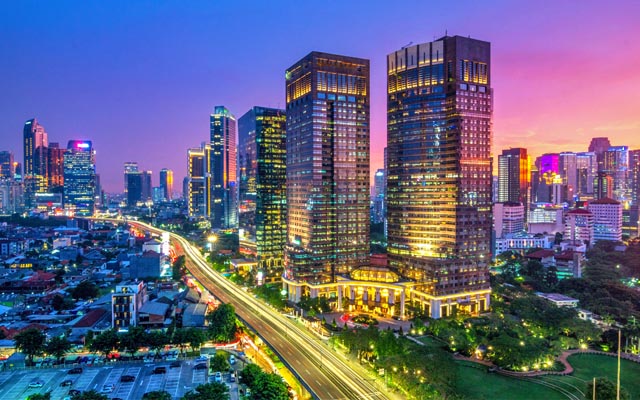
Jakarta aims to be recognised as a “city of cinema” by 2027 as part of its efforts in inbound tourism promotion.
The Indonesian capital seeks to become a leading hub for the film industry by promoting its potential as a production destination, growing its creative economy and attracting international investment.
Jakarta is promoting its film locations and creative economy to attract international filmmakers and tourists
Since launching its first pavilion at the Cannes Film Market in May, Jakarta has launched a new website promoting filming locations across the city and a Film Commission to act as a one-stop-service agency for filmmakers.
Officials hope to capitalise on film tourism, the phenomenon where travellers visit a destination featured in a movie or tv show, which is expected to be worth US$128.2 billion globally by 2032, according to market intelligence company Reports and Insights.
The niche is one of the most rapidly growing sectors in travel, and a study by technology company Photoaid shows 78 per cent of travellers are “likely” or “very likely” to book a film tourism trip.
“We want people to see the words ‘Jakarta, Indonesia’ on the screen and be inspired to come here,” said Abdul Haris of the Jakarta marketing board. “We want to showcase Jakarta as a brand: for doing business, for being liveable, for visiting as a tourist.”
Haris said filmmakers can also put a spotlight on the city’s lesser-known places such as The Thousand Islands (Kepulauan Seribu) tropical archipelago in Jakarta Bay, while introducing the city’s culture, particularly to key markets in Asia, Europe and North America.
Destinations across Central Asia and Russia are gaining popularity among affluent Indonesian travellers seeking alternatives to established markets. Travel specialists report strong demand for countries offering distinctive historical, cultural and seasonal experiences, with easier entry requirements adding to their appeal.
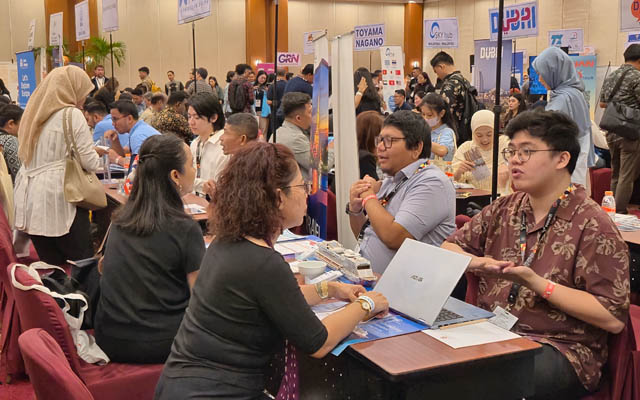
Istanbul-based Tempel Travel told TTG Asia during the recent 42nd TTC Travel Mart in Jakarta that destinations such as Kazakhstan, Georgia, Armenia and Azerbaijan are moving from niche to mainstream.
Indonesian travellers are showing growing interest in destinations such as Kazakhstan, Uzbekistan and Russia, drawn by visa-free entry, cultural heritage and new travel experiences
“Türkiye remains strong, but many Indonesian travellers are now looking beyond it. Kazakhstan, for example, is gaining attraction because it’s visa-free, affordable, and visually stunning,” said Arta Tasya, Indonesia manager of Tempel Travel.
To meet growing demand for independence and flexibility, Tempel Travel introduced a Two Can Go concept, allowing two travellers to book private trips without meeting group-size requirements. For about seven million rupiah (US$420), guests can explore Kazakhstan privately with accommodation, breakfast, local transport and attraction tickets included.
The Caucasus region is also becoming popular, with travellers combining Türkiye with Georgia or Armenia in one trip. Both Kazakhstan and Uzbekistan offer visa-free entry for Indonesian citizens, which has significantly reduced travel friction.
Russia is attracting attention for its winter experiences, with Incorporate Travel Company reporting strong demand for its Murmansk Aurora Tour.
“This year, Murmansk is our star product. Travellers fly about two hours from Moscow to experience the Aurora Borealis, husky rides, and snowmobile adventures,” said business development manager Viliana Junus. She added that interest in Russia has rebounded as the e-visa process, fully online and approved within a month, makes travel easier even without direct flights from Indonesia.
Cheria Holidays CEO Cheriatna said demand for emerging destinations is driven by well-travelled segments who have already visited Europe, Japan or performed Umrah pilgrimages.
“They’re looking for a new spiritual and cultural layer in their travels,” he said, adding that the company’s combined Uzbekistan-Russia tour remains its best-seller, featuring Islamic heritage sites in Samarkand and Bukhara before continuing to Moscow or St Petersburg.
Religious tourism is also growing. Skyhub’s Dolly Zaimon said many Umrah agents now offer Uzbekistan-specific Islamic heritage tours, while AntaVaya’s AVP Winardo noted that Russia remains primarily a business destination, though its cultural depth continues to attract niche interest.
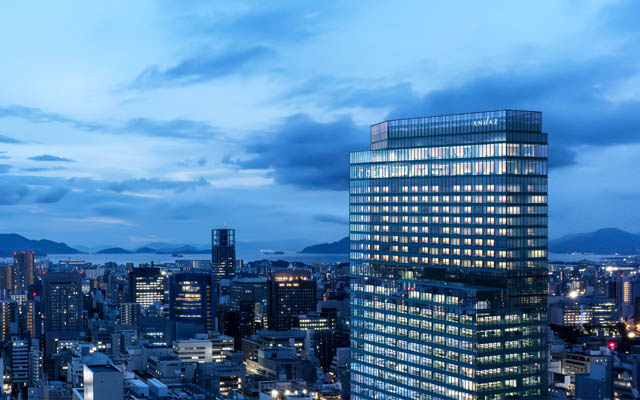
Hyatt Hotels Corporation has confirmed plans to open Andaz Hiroshima, its first property in western Japan’s Chūgoku region, through a management agreement with an affiliate of Takenaka Corporation.
The hotel will occupy the 21st to 31st floors of a new mixed-use high-rise in central Hiroshima and is scheduled to open in 2027.
The new Andaz Hiroshima will mark Hyatt’s debut in Japan’s Chūgoku region, reflecting the city’s cultural and creative heritage
The project forms part of a major urban redevelopment initiative and will feature 235 guestrooms and suites inspired by Hiroshima’s cultural legacy. The hotel’s design will reflect the site’s history, which once connected Hiroshima Castle with the surrounding town. Facilities will include restaurants, a rooftop bar and restaurant with city views, a fitness centre with an indoor pool, and event spaces.
Hiroshima is home to the Atomic Bomb Dome and Peace Memorial Park, both UNESCO World Heritage Sites. The nearby Itsukushima Shrine on Miyajima Island, another UNESCO site, is known for its floating torii gate. The region also offers a scenic cycling route linking Kure in Hiroshima Prefecture to Okamura Island in Ehime Prefecture.
Well connected by Japan’s high-speed rail network, Hiroshima is about 90 minutes from Osaka and four hours from Tokyo by Shinkansen, and is served by Hiroshima Airport.
Takenaka Corporation president Masato Sasaki said: “We are delighted to bring the Andaz brand to Hiroshima, one of Japan’s most innovative cities.”
“Andaz Hiroshima will create a new pathway to explore Hiroshima’s culture,” shared Amar Lalvani, president and creative director of The Lifestyle Group, Hyatt. “From music to makers, the local creative scene is thriving. Our guests will have an inside view of who and what are shaping this profound city’s future.”
Airbnb is rolling out new features to help guests connect with others and discover trips more easily, ahead of a busy holiday season.
Experiences now let guests see who else is attending before booking, message fellow attendees within the app, and track connections in their profile to reconnect after an experience. Guests remain in control of what information is shared and how it appears.
Airbnb’s new social and booking features help travellers connect, explore, and plan with ease
Search and booking tools have also been upgraded, with more flexible options, improved maps showing landmarks, attractions, and restaurants, and a Reserve Now, Pay Later option that will expand globally next year.
In addition, AI-powered customer support is now available in more languages and countries, offering tailored responses and interactive options to manage reservations directly in the chat.
Hosts gain greater flexibility with dynamic cancellation policies for specific dates or seasons, improved pricing tips up to a year in advance, and an updated earnings dashboard to track year-on-year and seasonal performance.
These enhancements aim to create a more connected, flexible, and intelligent travel experience for both guests and hosts.
Scoot adds new Indonesian routes and boosts regional flights
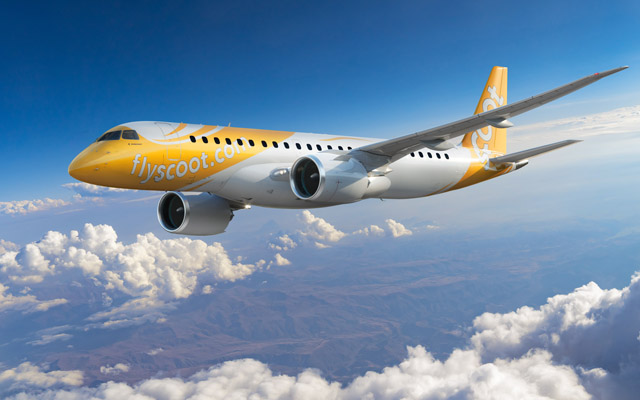
Scoot will launch new services to Labuan Bajo, Medan, Palembang and Semarang, commencing progressively between December 2025 and February 2026.
Flights to Labuan Bajo, the gateway to Komodo National Park, will operate twice weekly from December 21, 2025, using the Embraer E190-E2. Daily services to Medan on the Airbus A320 family will begin from February 1, 2026. Flights to Palembang will run four times weekly from January 15, 2026, on the Embraer E190-E2, while services to Semarang will start three times weekly from December 23, 2025, increasing to four times weekly from January 1, 2026, on the Airbus A320 family.
Scoot is also increasing frequency on existing Indonesian routes. From November 2025, Jakarta flights will operate 28 times weekly, Manado services will rise from four to six weekly, Surabaya flights will increase from 10 to 12 weekly from January 2026, Bali from 21 to 28 weekly, and Yogyakarta from seven to 10 weekly.
In Thailand, flights to Bangkok will increase from 39 to 42 weekly from October 2025, while services to Koh Samui will rise to 28 weekly by December 2025.
In Malaysia, Penang flights will increase from 21 to 28 weekly from November 2025, and services to Kota Kinabalu and Kuching will each increase from seven to 10 weekly from February 2026.
Scoot will also increase flights to Vientiane in Laos from five to seven weekly from December 2025.
Jetstar Japan
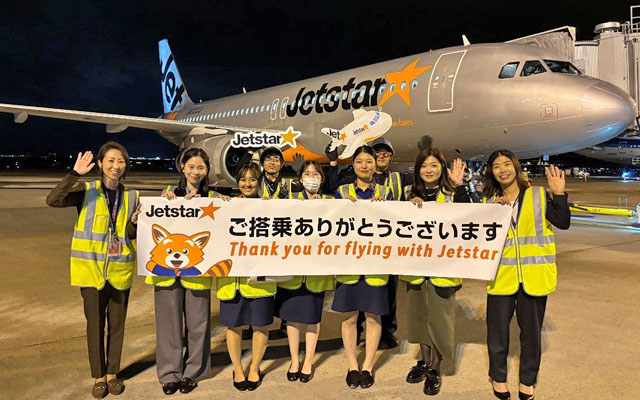
Jetstar Japan resumes flights between Manila and Osaka
Jetstar Japan has resumed its Manila-Osaka (Kansai) route for the first time in nearly six years. During the winter schedule from October 26, 2025, to March 28, 2026, the airline will operate up to seven return flights per week using Airbus A320 aircraft.
Jetstar Japan is the only Japanese carrier offering direct service between Kansai and Manila.
With the resumed Manila-Kansai route, the airline now operates two international services to and from Kansai during the winter period, alongside its existing Kansai-Taipei (Taoyuan) flights. Combined, Jetstar Japan will offer up to 21 return trips per week from Kansai, expanding travel options and connectivity for passengers.
Vietjet
Vietjet commences daily Danang-Kuala Lumpur service
Vietjet has started direct flights between Danang and Kuala Lumpur, its third route connecting Vietnam and Malaysia. The daily service increases total weekly flights between the two countries to 42, complementing Vietjet’s existing Hanoi-Kuala Lumpur and Ho Chi Minh City-Kuala Lumpur routes and enhancing regional connectivity.
Philippine Airlines
Philippine Airlines launches Cebu-Calbayog route, expands international flights for holiday season
Philippine Airlines (PAL) has introduced a new Cebu-Calbayog service, operating four times weekly, while also expanding its international network and capacity to meet holiday travel demand.
In the Philippines-Australia market, Manila-Perth flights will increase from three to six weekly services, and Manila-Melbourne will move from five weekly flights to daily. Select Manila-Brisbane services will be upgraded from Airbus A321neo to tri-class A330 aircraft, with Perth continuing on the A321neo and Melbourne served by the larger A330-300.
In South-east Asia, Manila-Danang will operate daily from October 26, 2025, to March 28, 2026, up from three times weekly, while Manila-Busan flights will rise from seven to eleven per week.
PAL is also boosting its Japan network for the holiday season. Seasonal non-stop Manila-Sapporo flights will operate thrice weekly from November 24 to March 27. Manila-Narita and Manila-Osaka routes will receive 12 additional roundtrips each over the peak period, supplementing existing daily services, and Manila-Nagoya will gain three extra round trips on select dates.
Cebu operations are expanding with five additional roundtrips to Osaka and four to Narita during peak periods. From December 16, thrice-weekly non-stop flights will begin between Cebu and Guam.
In the US, Manila-Seattle services will increase from three to five weekly flights, complementing daily services to San Francisco and Guam, twice-daily flights to Los Angeles, thrice-weekly flights to New York, and five weekly flights to Honolulu.
Fairmont Hotels & Resorts has expanded its global brand campaign, Special Happens…, with a new collection of curated guest experiences across its 96 properties worldwide. Each experience reflects the brand’s focus on creating meaningful connections through hospitality.
Under Special Happens… After Dark, Fairmont Mumbai offers a night-time wellness ritual for travellers; Fairmont Mayakoba hosts a Día de Muertos dinner in November; and Fairmont Makati presents a poolside silent cinema experience.
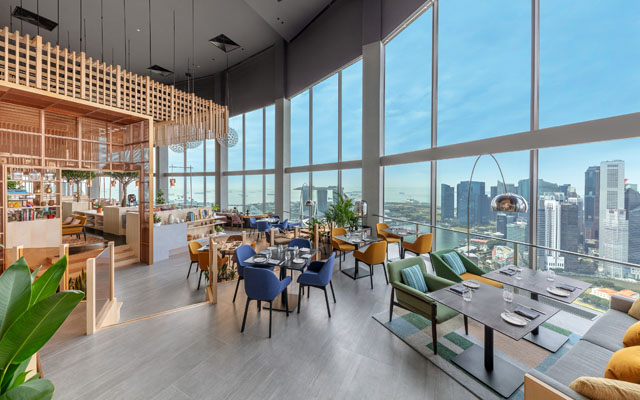
The Harvest-to-Table Lunch at Fairmont Singapore showcases fresh produce and a three-course meal at SKAI, pictured
In Special Happens… In the Wild, Fairmont Orchid guests can fish with the hotel’s chef and dine on their catch, while Fairmont Kea Lani offers a helicopter tour and rum-tasting experience in Maui. Fairmont El San Juan Hotel features a private engagement package, and Fairmont Chateau Whistler provides a wellness journey in a remote forest setting.
Special Happens… Around the Table includes Fairmont Taghazout’s three-part dining series featuring international chefs; Fairmont Ambassador Seoul’s private proposal dinner; Fairmont Singapore’s harvest-to-table lunch; and Fairmont San Francisco’s private festive dining in its Gingerbread House between November 22, 2025, and January 1, 2026.
In Special Happens… In the Spotlight, Fairmont Royal Palm Marrakech offers a cultural journey from desert balloon rides to Medina markets; Fairmont Le Montreux Palace grants private access to the home of the Montreux Jazz Festival’s founder; and Fairmont Jaipur introduces guests to rural life and craftsmanship in Chak Charanwas village.
These experiences are designed to offer memorable, authentic moments that reflect the unique character of each property, allowing guests to explore, celebrate, and connect in ways that truly make special happen.
More foreign retirees and their families are choosing to stay in the Philippines, partly due to incentives provided by the Philippine Retirement Authority (PRA), an agency under the Department of Tourism.
This year’s target of approving 4,000 Special Resident Retiree Visas (SRRV) is likely to be met, up from 3,850 foreign retirees in 2024, said CEO and general manager Bob Zozobrado.
New SRRV members from the US, India, South Korea and New Zealand have recently taken their oaths, joining the growing number of foreign retirees choosing the Philippines
“I’m now working on getting more Europeans, Canadians and Americans. We’re no longer promoting too much in Asia because we’re already getting a good size of the Asian market,” he told TTG Asia.
Of the 59,000 active foreign retirees in the Philippines, about 85 per cent are from Asia: Chinese (around 40 per cent), South Koreans (around 20 per cent), and Indians (around 15 per cent). US retirees, mostly former Filipinos who became American citizens, make up less than 10 per cent.
“We discovered that there are so many senior-related expos and other events in Europe, Canada and the US and that’s what we’re attending now. When I attended the Salon de Senior 2025 in Paris, 11 French individuals and couples said they wanted to retire in the Philippines and they arrived the following week,” Zozobrado said.
The main appeal for SRRV holders is the ability to become permanent residents while retaining their citizenship, allowing them to travel freely in and out of the Philippines without needing permission from the Philippine Bureau of Immigration, a requirement that previously applied when renewing the Alien Certificate of Registration.
PRA now has 250 merchant partners nationwide, including hotels, resorts, restaurants, wellness centres and spas offering senior discounts of 20 per cent, and in some cases up to 30 per cent, compared with just 14 merchant partners a few years ago.
An SRRV holder must make a one-time US$25,000 deposit in a PRA-accredited bank in their name, covering the whole family. The deposit earns interest and can be refunded if they return home, withdrawn in an emergency, or used to buy or lease property.
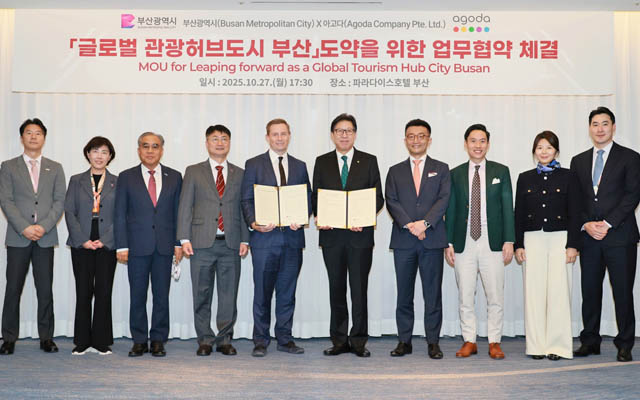
Agoda has signed a two-year memorandum of understanding with Busan City to promote tourism and support related initiatives. The partnership, the first between Agoda and a local government in South Korea, aims to strengthen Busan’s appeal as an international destination.
Under the agreement, both parties will collaborate on marketing campaigns and tourism activation strategies using Agoda’s media solutions. Planned initiatives include an online content competition to showcase Busan’s attractions.
The partnership aims to position Busan as a global destination by combining the city’s attractions with Agoda’s technology and reach
Busan is known for its beaches, skyline, markets, temples, and cultural sites such as Haeundae Beach, Gwangalli Beach, Jagalchi Market, Haedong Yonggungsa Temple, Taejongdae, and Gamcheon Culture Village. The city hosts annual events including the Busan International Film Festival and Fireworks Festival and has gained recognition for its culinary scene, with several Michelin Guide listings and popular local dishes such as pork soup, fish cakes, milmyeon, and ssiat hotteok.
Andrew Smith, senior vice president, supply at Agoda, said: “We (want) to showcase Busan’s exceptional tourism assets to travellers across the globe. By partnering with Busan City, we aim to accelerate Busan’s move from a domestic favourite to a trending international destination.”
Mayor of Busan Park Heong-joon added: “Partnering with Agoda will help international tourists easily discover and experience Busan’s rich cultural and hidden gems. We will pursue cooperation not only through Agoda’s media solutions but also by leveraging Agoda’s global reach and marketing power.”
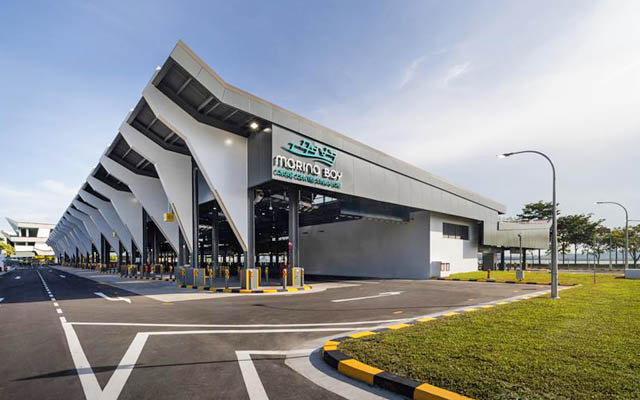
Marina Bay Cruise Centre Singapore (MBCCS), managed by SATS-Creuers Cruise Services (SCCS), has completed a S$40 million (US$29 million) upgrade to improve passenger experience and accommodate growing cruise demand in Asia.
The terminal has reorganised passenger flows to manage simultaneous dual mega ship calls across its two berths. A new Level 1 check-in hall with 70 counters and over 500 seats will serve Pier 2, while the existing Level 2 check-in hall will continue serving Pier 1. Both halls include VIP lounges for premium travellers.
The upgraded facilities at MBCCS aim to improve efficiency and comfort for cruise passengers
Other upgrades include a new Ground Transport Area with widened roadways, additional coach bays, early baggage drop-off, and more than doubled ride-hailing lots. A looped shuttle links Marina South Pier MRT station to the terminal, and an Advanced Carpark Reservation System allows parking to be booked up to 60 days in advance. Buggy services are available for passengers with reduced mobility.
MBCCS has introduced baggage transfer services to hotels and Changi Airport, shuttle services to attractions such as Gardens by the Bay and Chinatown, and reintroduced the Cruise-Fly Service for international passengers, allowing them to check in and tag baggage for same-day connecting flights.
Behind the scenes, a Vehicle Slot Management System coordinates deliveries of supplies to ensure efficient operations during dual ship calls. The terminal has also launched PortDeck, a convertible bench-table system designed to optimise space and passenger comfort during peak periods.
Mehmet Kutman, chairman and CEO of Global Ports Holding, parent company of Creuers, said: “As cruise travel continues to expand across the region, this upgraded facility will enhance the passenger journey and exemplify Singapore’s continued leadership in shaping the future of cruise travel across Asia.”
Ong Huey Hong, assistant chief executive, industry development group, Singapore Tourism Board, added: “Through our partnership with SATS-Creuers, we are future-proofing our tourism landscape by delivering world-class infrastructure that meets the needs of evolving traveller expectations while reinforcing Singapore’s position as a leading cruise destination in the region. As we chart the next chapter for tourism, these enhancements underscore cruise tourism’s vital role in our broader ecosystem of quality, sustainable growth.”
IHG Hotels & Resorts has partnered with Urban Property Group to open Crowne Plaza Parramatta, a 217-room hotel set within a new mixed-use development in central Parramatta.
The hotel is scheduled to open in 2029.
The new Crowne Plaza will add 217 rooms to Parramatta’s growing business district
Located opposite Parramatta Train Station and linked directly to it, the property will form part of a complex connected to Westfield Parramatta. Facilities will include dining outlets, meeting and event spaces, and a rooftop pool with an outdoor terrace.
Parramatta has become Sydney’s second CBD, driven by investment in commerce, education, health, and the arts. Projects such as the Powerhouse Parramatta Museum and the expanded Riverside Theatre precinct are expected to draw more visitors. The opening of Western Sydney International Airport in 2026 is also expected to strengthen access to the area.
Matt Tripolone, IHG Hotels & Resorts managing director, Australasia & Pacific, said: “Western Sydney is one of Australia’s most dynamic growth corridors, underpinned by record levels of infrastructure investment, a flourishing business and government sector, and the arrival of Western Sydney International Airport in 2026. Crowne Plaza Parramatta will be a flagship destination for both domestic and international travellers and an important and attractive addition to the city’s evolving skyline.”
Crowne Plaza Parramatta will join other Australian properties including Crowne Plaza Sydney Darling Harbour, Crowne Plaza Melbourne, and Crowne Plaza Adelaide Mawson Lakes. The brand now operates 14 hotels in Australia, with seven more in development. Globally, Crowne Plaza has 415 hotels open and 144 in the pipeline.