

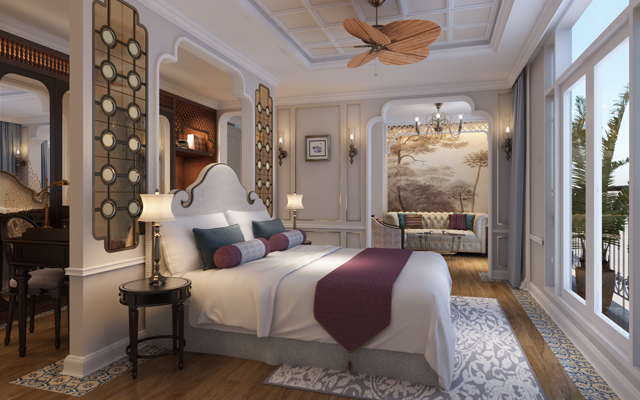
Uniworld Boutique River Cruise Collection has unveiled details of its upcoming SS Mekong Jewel, a “super ship” set to debut on January 3, 2020 on the Mekong River.
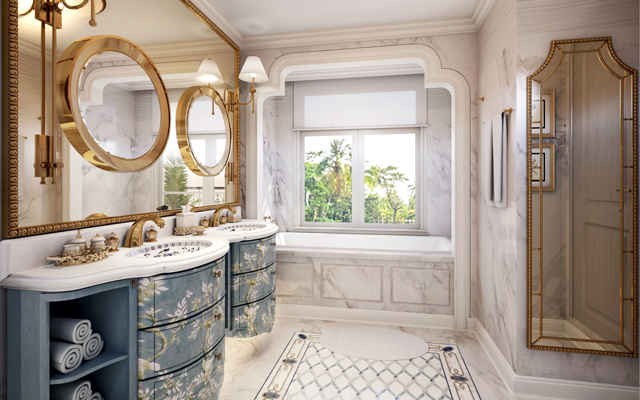
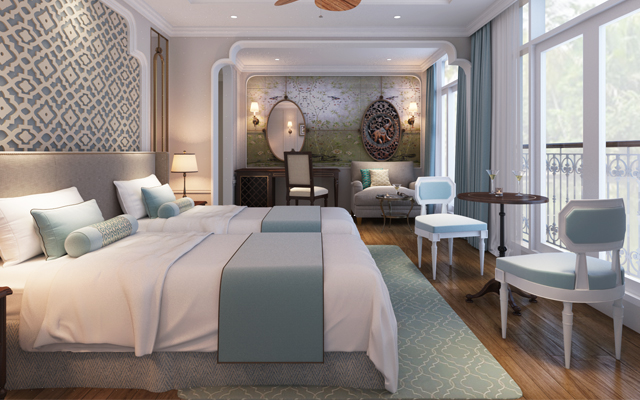
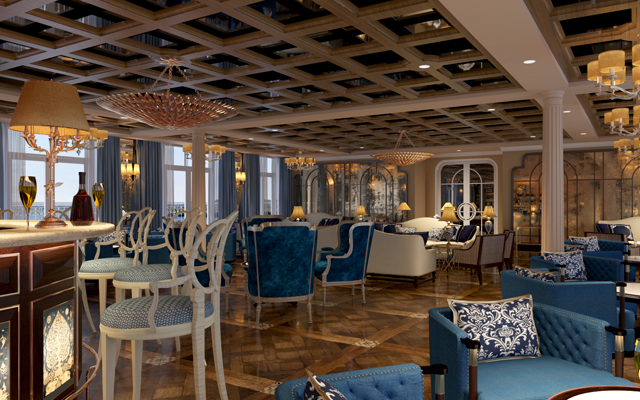
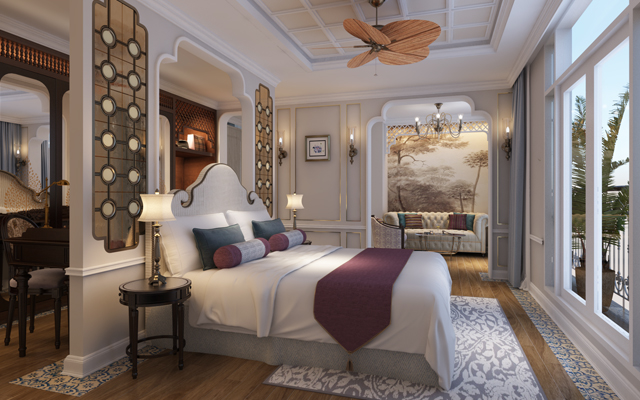
The SS Mekong Jewel’s 13-day itinerary will take guests from Ho Chi Minh City to Siem Reap, with visits to Phnom Penh, Angkor Wat and more.
The newly-built ship will feature all-suite accommodations, an indoor swimming pool and two restaurants, including a main dining room and an al fresco eatery on the upper deck.
The SS Mekong Jewel will be 10m longer than the Mekong Navigator, but with the same capacity of 68 guests, offering guests more space and amenities with one of the highest staff-to-guest ratios on the river.
Uniworld said the ship is being constructed with sustainable and eco-friendly materials, such as special paint used for the hull of the ship that creates less drag caused by bio-fueling, specially designed ship propellers that increase performance and efficiency, energy-efficient LED light fixtures, automatic air conditioning controls to optimise cooling resources, and water cooled air-conditioning system that will save energy.
According to Ellen Bettridge, president & CEO of Uniworld, the company is expecting to launch four new “super ships” in 2020.



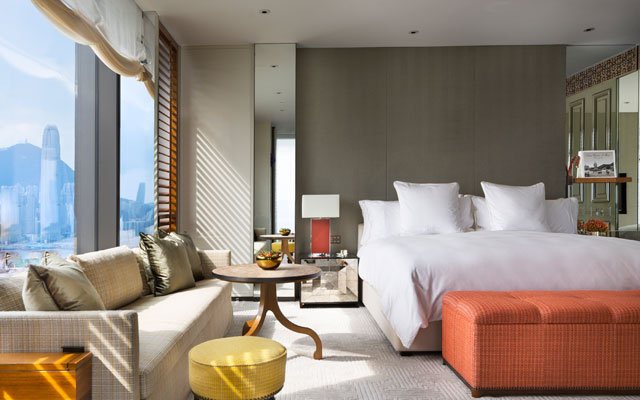
 Rosewood Hong Kong

 Swiss-Belhotel Blulane, Philippines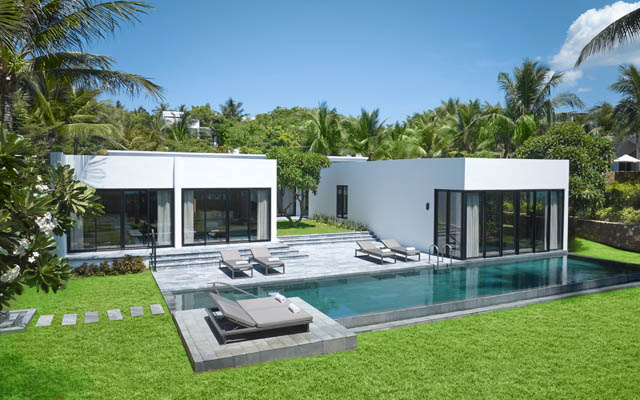






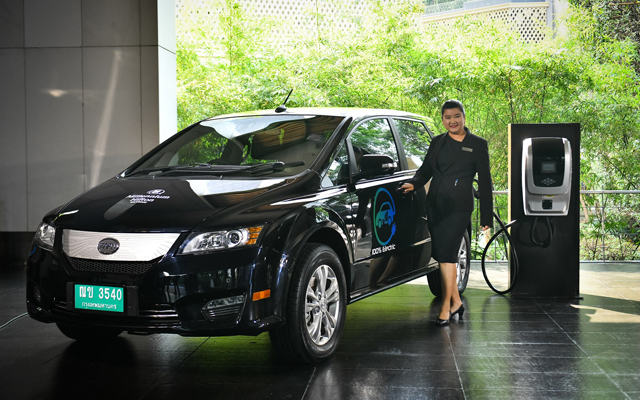
Millennium Hilton Bangkok has launched a battery electric limousine service, the result of a collaboration with Rizen Energy, the authorised importer and distributor of BYD electric vehicles in Thailand.
An initiative said to be the first of its kind, the collaborative project targets to reduce 15,000kg of carbon in 2019 by encouraging hotel guests to use BYD electric limousines as part of the riverfront hotel’s strong intention to reduce solve Bangkok’s critical pollution problem.
Heidi Kleine-Moeller, general manager of Millennium Hilton Bangkok, sees an “achievable” target for 2019. She said: “Considering that a combustion engine car emits approximately 200g per kilometre, we need to ensure that until the end of 2019 our e-limousine can service our guests no less than 88,000km or 1,200 round trips from Suvarnabhumi Airport to Millennium Hilton Bangkok and back.”
Against the backdrop of worsening air pollution in Bangkok, the opportunity to partner with BYD will offer a new environmentally-friendly mode of transport to hotel guests and clients, which “hopefully will reach other companies and the government soon as well to make a difference city and country wide”, Kleine-Moeller added.
According to Ronachai Chinwattanaporn, CEO of Rizen Energy, BYD e6, the first electric limousine in Thailand, has been in use worldwide for public transportation for more than eight years. It is proven to be reliable, safe and practical.
Two BYD e6 will be at service during the pilot period, and the fleet could be extended upon the demands for e-limo service, Ronachai revealed. A new model is expected to join the fleet by mid-2019, he added.