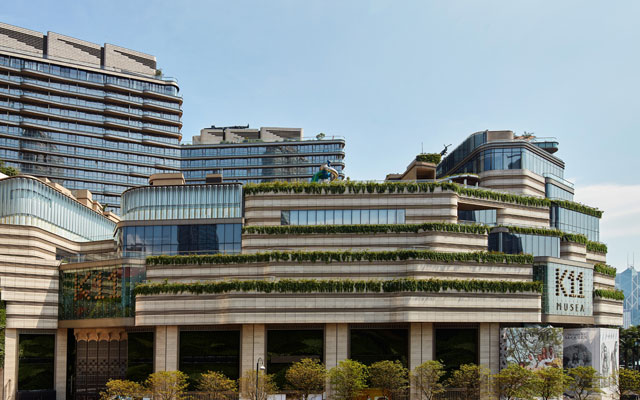
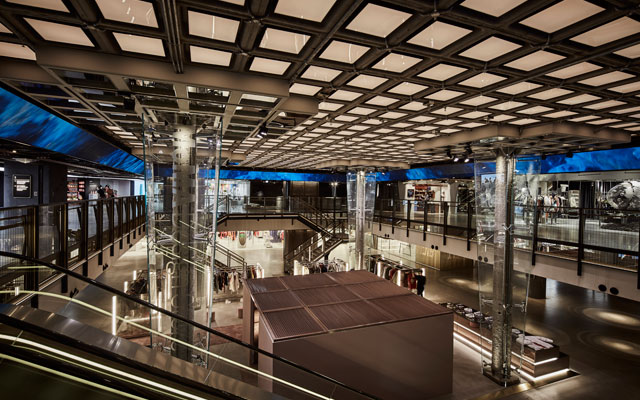
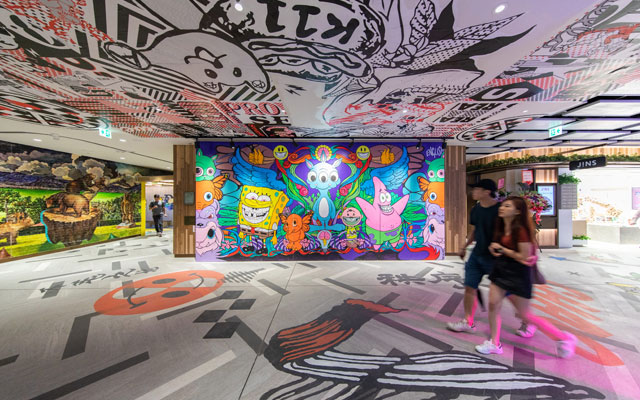
K11 Musea, a cultural-retail destination spanning 110ha on the Tsim Sha Tsui harbourfront, has opened its doors to the public.
The project is envisioned by the K11 Group to revitalise the vibrant Victoria Dockside neighbourhood while strengthening the district’s ambitions to be Hong Kong’s new art and design district.
K11 Musea
1 of 10
K11 Musea
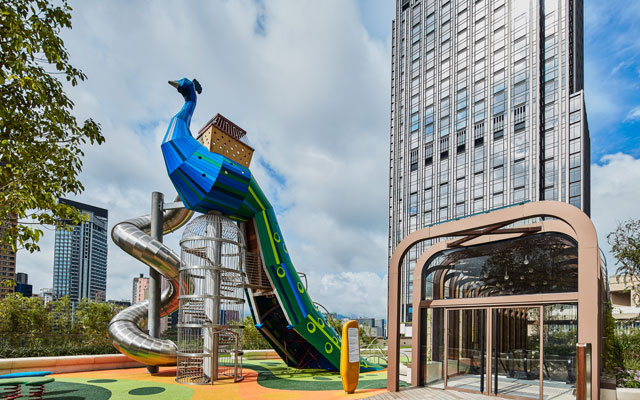
K11 Musea Peacock Playground
K11 Musea Opera Theatre
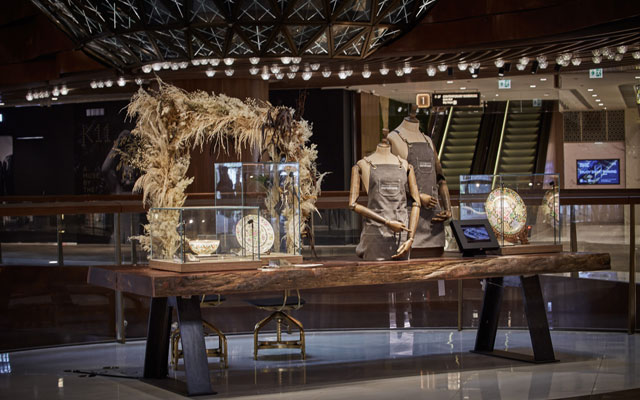
K11 Musea Craft & Guild Foundation
K11 Musea Muse Edition
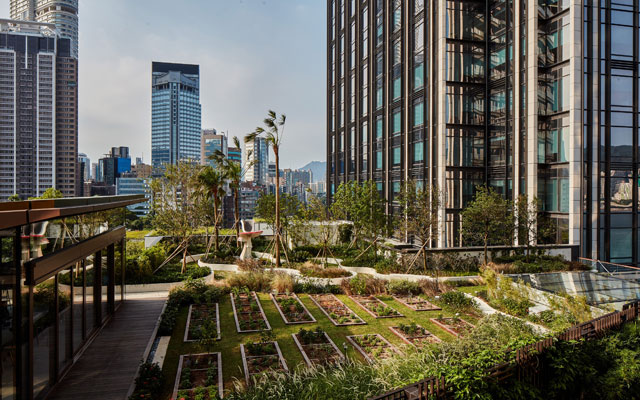
K11 Musea Nature Discovery Park
K11 Musea Ronnie Rabbits Delusion
K11 Musea Donut
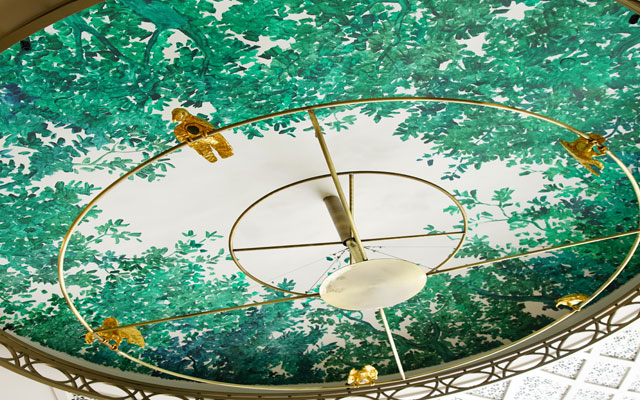
K11 Musea Parrots of Five Colours
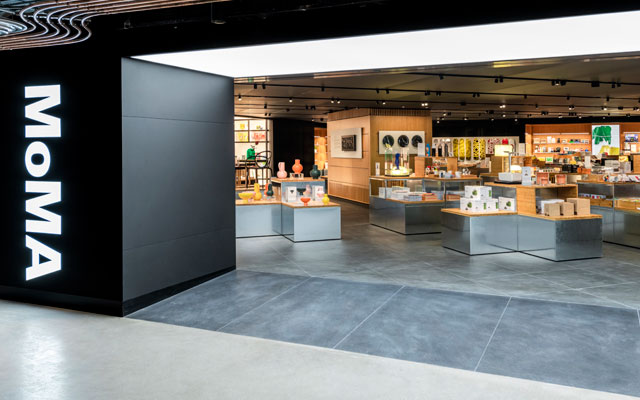
K11 Musea MoMA Design Store
“Our vision is to reinvigorate the district together with 100 creative powers hailing from different disciplines and cultures, to make K11 Musea the ‘Silicon Valley of Culture’ and inject art, architecture, design, sustainability and all forms of cultures into the new consumer’s daily life,” said Adrian Cheng, founder of K11 Group and executive vice-chairman of New World Development.
“K11 Musea is conceived as a space that inspires global millennials, and facilitates a broader discussion on the interconnectedness of creativity, culture and innovation,” he added.
The 10-storey complex will serve as a platform for artistic talents with a debut art collection featuring works from over 40 international and Hong Kong contemporary artists, under the direction of its founder Adrian Cheng.
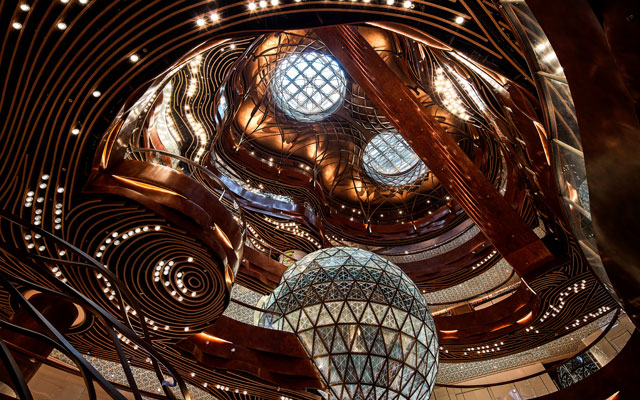
Other highlights include the 186m2 Sunken Plaza amphitheatre featuring with interactive lighting and water features in the outdoor space, while a 35m-high grand atrium made up of 1,115m2 of hand-painted, hand-tamped aluminium panels is a dramatic feature indoors.
In addition, sustainability is central to the design of K11 Musea, which boasts top-level certified green building design, extensive greenery, rooftop urban farming for farm-to-table experiences at Nature Discovery Park and over 4,600m2 of living walls, and play areas such as Peacock Playground and Donut constructed by Danish playground specialist Monstrum.
Coming up, K11 Musea is slated to host the Asian debut of Festival de Cannes Film Week in Hong Kong from November 12 to 17, where six films from the Festival de Cannes 2019 will be presented, along with masterclasses and workshops.
Hard Rock International has appointed Clinton Lovell as the general manager for its newest hotel in Malaysia – Hard Rock Hotel Desaru Coast.
With more than 20 years of hospitality industry experience, Lovell is responsible for the operations of the 365-room property, where he will develop and execute strategies to drive continued growth for the hotel and enhance operational efficiency.
Prior to joining Hard Rock Hotel Desaru Coast, Lovell most recently served as general manager at Avani Atrium Hotel Bangkok and previously Anantara Seminyak Bali Resort. Prior to that, he has almost a decade of general manager experience with Accor’s upscale hotels in Thailand under his belt.
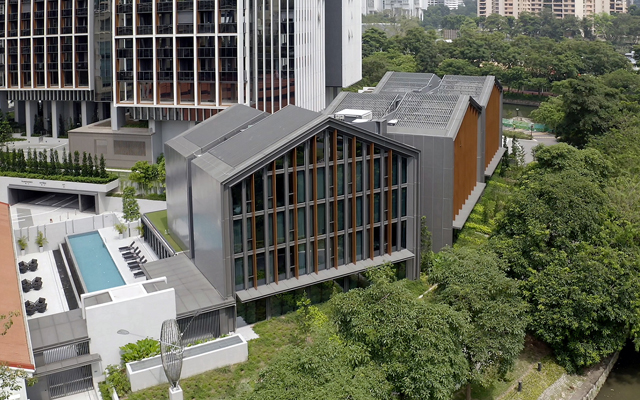
One Farrer Hotel is a five-star luxury hotel in Singapore in the Farrer Park district. An iconic beacon in Farrer Park called Connexion, the 243-guest room urban resort is designed for the discerning traveller and amalgamates innovative hospitality offerings with its distinctive presence within one of Singapore’s historic neighbourhoods. Further extending our ‘Total Lifestyle Environment’ is the campus-wide commissioned permanent art collection, featuring more than 700 pieces of original Greater Asia 3D and contemporary art by emerging and established artists from Singapore and around the region, located in each of its accommodations and public areas.
Defined by an intuitive approach towards lifestyle and hospitality, the urban resort embodies a ‘Hotels within a Hotel’ concept with three distinct hotel entities to serve the varied requirements of hotel residents. One Farrer Hotel consists of the Urban Hotel, Loft Apartments and Skyline Hotel & Sky Villas, which features modern and technology enabled contemporary chic accommodations.
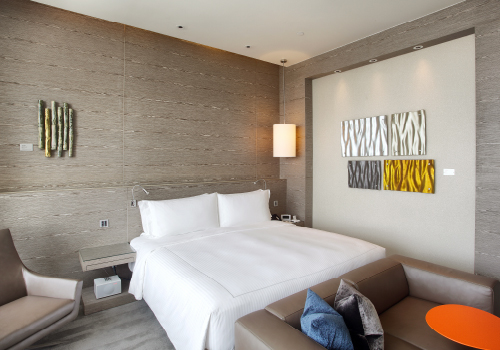
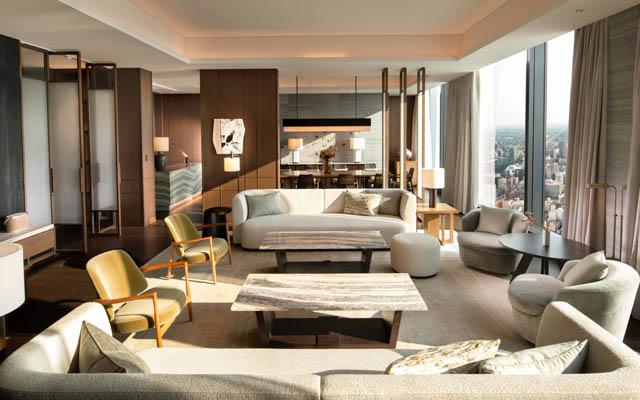
The rooms at One Farrer Hotel are all enhanced by individually controlled in-room mood lighting, amenity services and temperature controls, with all rooms featuring ‘sleep well’ beds, generous-sized rain showers, ‘perfect view’ mirrors and 55-inch smart televisions that are utilised to view in-room dining menus as well as the in-room shopping catalogue. With a selection of over 300 products, residents can indulge in retail therapy in the comfort of their room. To further extend the in-room experience, the hotel’s mini bars and high speed WiFi are complimentary.
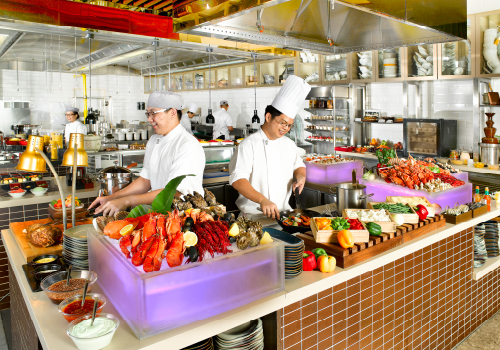
Hotel and city guests are able to indulge in a smorgasbord of local and international cuisine from the hotel’s 24-hour restaurant and lounge, Escape Restaurant & Lounge, which presents an open format interactive kitchen. With a capacity of 170 seats indoors and outdoors, guests can personally make their selections from the interactive kitchen or order from the complete a la carte menu. At Escape Restaurant & Lounge, the entire experience is integrated, presenting its patrons with a dining experience that engages more than the palate.
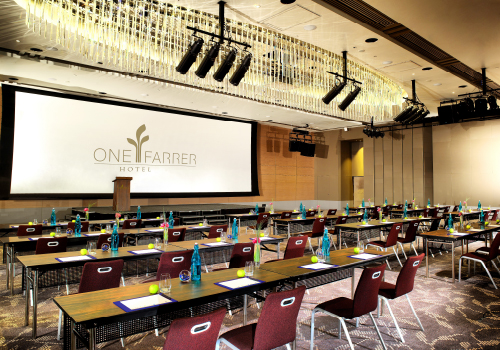
The perfect meeting of innovation, comfort and charm; One Farrer Hotel offers a myriad of distinctive event spaces for every occasion. The Grand Ballroom and Meeting Rooms feature a communications hub as its centre, equipped with high speed fiber optic video streaming capabilities complete with an added capability of broadcasting to a wider audience. Spanning over 698 square metres, the Grand Ballroom accommodates up to 700 guests. The hotel compound also offers a collection of inimitable event spaces to create memorable occasions for guests, including an air-conditioned marquee that seats up to 300 guests and offers the perfect setting for a party under the stars.
For more information on One Farrer Hotel, please visit www.onefarrer.com.
The world is hungering after a piece of the lucrative tourism pie in China amid Chinese’s growing appetite for outbound travel – and Cambodia is no different.
Cambodia’s aggressive pursuit of Chinese tourists has come at a cost to the country
According to minister of tourism Thong Khon, the country aims to attract about three million Chinese tourists annually by 2020. This will rise to five million by 2025 and eight million by 2030. And with the country welcoming more than two million Chinese visitors out of a total of 6.2 million in 2018 – a 67.2 per cent year-on-year increase – it looks on track to hitting its target.
However, the rapid-fire growth has come with dire consequences. In the last few years, the coastal town of Sihanoukville has undergone a swift transformation from beach getaway to casino city. Tourism players say it is no longer viable to sell the beach to international visitors, who skip Sihanoukville for the more well-rounded islands off the coast.
Mick Spencer, owner of Ana Travel in Sihanoukville, said: “The only tourists [in Sihanoukville] are Chinese casino tourists. There is nothing for local or international visitors to do and nowhere for them to go. The islands are the only reason to be going through the town.
“The town is forsaken and it will be several years before we understand what it will look like in the future, by which time I would expect the only visitors to be Asian gamblers and their families.”
Steve Lidgey, general manager of Travel Asia a la Carte, said losing the key beach destination in Cambodia, which he called an “essential part” of a Western holiday itinerary, has had a knock-on effect on the industry’s efforts to sell Cambodia as a standalone destination to long-haul visitors. While inbound tourists from Asia have grown in recent years, those from the West have fallen.
Said Lidgey: “I believe people are avoiding Cambodia altogether and choosing other destinations for longer tours. If there is no easily-accessible, friendly, value-for-money beach destination, then travellers will instead spend their beach time, and possibly their whole trip, in Vietnam or Thailand.”
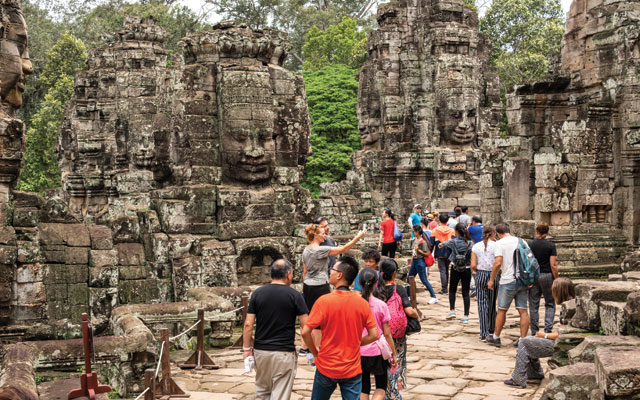
A fall in visitors to Angkor Wat has triggered a response from the government, who blames Chinese zero-dollar tourism packages for the slump. The country’s top tourist draw welcomed 1.4 million foreign tourists in the first seven months of 2019, representing a 9.7 per cent year-on-year drop. In July, visitor numbers fell by 19.7 per cent to 149,269 foreigners.
While the country’s tourism players say the blame does not solely lie with zero-dollar tourism, they have welcomed the government’s pledge to crack down on the industry.
Said Spencer: “The government is starting to realise that zero-dollar tourism is a real thing, and local economies and businesses suffer as a result.”
Ronni Dalhoff, managing director of Diethelm Travel (Cambodia), lauded the government clampdown on zero-profit tourism, which he said makes up the bulk of Chinese arrivals.
In 2016, the Thai government stamped out zero-dollar tourism, estimating annual losses of US$2 billion in tax revenue. In the wake of the clampdown, three companies were closed, 2,155 buses were seized, and several arrests were made for money laundering and operating illegal tours.
Lidgey commented: “The hunt for large numbers and meeting targets by attracting the Chinese, and a surge in low-budget tour groups that take up space but ultimately leave little revenue for the Cambodian people, is an issue.”
However, Dalhoff notes that while it is the low-budget segment disrupting the market, there remains huge potential in higher-spending Chinese travellers – and that is where the focus should shift.
He said: “There are two very different types of tourism. Chinese zero-profit packages are massively different to the upscale Chinese market, which everyone is very interested in.”
Miles Gravett, general manager of Khiri Travel Cambodia, added: “There needs to be more focus on quality tourists, and not just from China. A lot of zero-dollar tours don’t benefit the local economy, and that’s something that needs changing.”
Industry players also claim the chase after Chinese tourists has led to other key source markets being neglected. Lidgey noted: “While there are plenty of opportunities to make business from middle-class Chinese who can afford to travel overseas, Cambodian tourism authorities need to be careful. The old adage ‘Don’t put all your eggs in one basket’ applies here.”
The latest figures from the Ministry of Tourism show that as of June, arrivals from European markets fell 5.6 per cent while those from the US market dropped 5.3 per cent. In contrast, Chinese visitors rose 38.7 per cent, with a 15.9 per cent increase in arrivals from Asia.
Added Lidgey: “If the new-found wealth in China doesn’t last, or people are forced to tighten their belts, then the Chinese will see more value for their money in travelling domestically.”
Gravett warned that if proper measures and governance are not put in place to regulate the development, parts of the country run the risk of becoming Chinese gambling destinations. He said: “Cambodia is a beautiful country with so much to offer. It always has been a cultural destination and if it starts becoming known as a cheap package destination with a focus on gambling, this is bad for Cambodia and bad for everyone’s business.”
But the influx of Chinese tourists has added value and helped fill rooms in high-end hotels. One luxury hotel in Siem Reap said the rise in high-end Chinese visitors saw them through this year’s “tough” low season. It has since pledged to step up its chase for affluent Chinese travellers.
Sofitel Phnom Penh Phokeethra has also seen a “huge spike” in Chinese visitors at the hotel for both business and leisure. Area general manager Charles-Henri Chevet noted that about 40 per cent of the hotel’s guests are Chinese. He added that the hotel has “harvested a positive impact” from the growth.
Across the board, hopes remain high that a clampdown on zero-profit tour packages and a shift of focus into more upmarket segments will help bolster the industry.
Said Dalhoff: “China is the fastest-growing market and it’s not wrong to focus on them, but we would also like more focus on the Western market, and for a divide to be made between zero-dollar tourism and higher-end tourism.”
Hong Kong's hotel occupancy has taken a hit due to ongoing protests against the government
Hotels in Hong Kong are experiencing all-time low occupancy levels for the month of August amid ongoing protests in the region, according to preliminary data from STR.
In Hong Kong, occupancy decreased 4.1% to 83.4%, while average daily rate (ADR) fell 9.1% to HK$1,163.21 (US$148.29) and revenue per available room (RevPAR) plummeted 12.9% to HK$970.42.
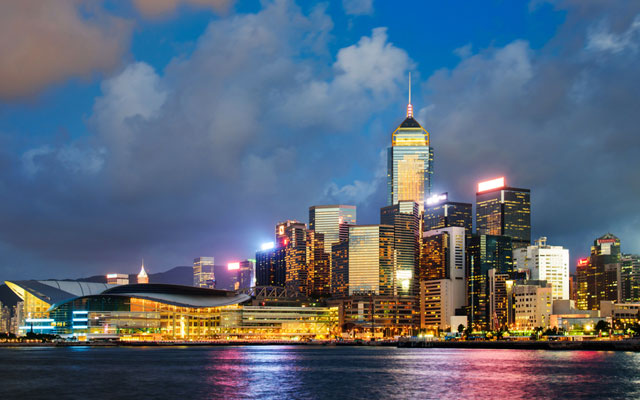
Hong Kong’s hotel occupancy has taken a hit due to ongoing protests against the government
Based on daily data from the month, Hong Kong reported the following in year-over-year comparisons: Supply rose +1.5% while demand fell 28.8%, and occupancy plummeted 29.8% to 63.9%. Meanwhile, the average daily rate (ADR) decreased 21.0% to HK$1,086.16, and revenue per available room (RevPAR) fell 44.6% to HK$694.15.
The absolute occupancy level is the lowest for any month in STR’s Hong Kong historical database. According to financial secretary Paul Chan, tourist arrivals to the city fell nearly 40% in August, after a roughly 5% decrease in July.
After a prolonged period of overall performance growth, July was the first month that showed the protest impact on hotel performance with the key metrics down across the board: Occupancy fell 4.2%, while ADR decreased 7.9% and RevPAR dropped 11.8%.
In mid-August, STR forecasted a 19.3% RevPAR decrease for Hong Kong for 3Q2019. According to STR analysts, the market experienced 19 consecutive months of RevPAR declines following protests in 2014, and there has not been sufficient time between protest periods for the market to reach pre-2014 levels. Prolonged protests could worsen Q3 performance significantly through final August numbers and softer-than-anticipated September results.
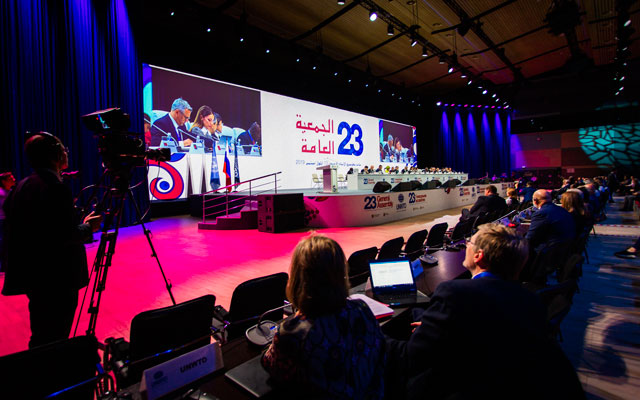
The 23rd session of the General Assembly of the World Tourism Organization (UNWTO) has opened in Saint Petersburg, Russia, with sustainability and innovation taking centrestage at the meetings between high-level state delegates and tourism leaders from around the world.
The General Assembly is set to pave the way forward for tourism’s contribution to the 2030 Agenda for Sustainable Development and tourism’s voice at the heart of the UN and the global policy agenda.
Sustainability and innovation took centrestage at the 23rd session of UNWTO’s general assembly
High level summits and debates will address key topics, including tourism’s increasingly-prominent role in advancing the sustainability agenda, private–public cooperation, and the place of innovation and entrepreneurship in the future of tourism, with a particular focus on job creation, education and the fight against climate change.
Opening the General Assembly, UNWTO secretary-general Zurab Pololikashvili told the organisation’s member states and its private sector affiliate members that the true potential of tourism as a driver of economic growth, sustainable development and equality has yet to be realised.
“An attitude of ’business as usual’ will not drive the change we want to see. The tourism sector needs to reflect the realities of a changing world,” Pololikashvili said.
He added: “That means promoting the spirit of entrepreneurship. It means training people for the jobs of tomorrow. And it means being open to innovation, including the power of technology to change the way we travel – and how the benefits that tourism can bring are shared as widely as possible.”
The UNWTO General Assembly in St Petersburg has also officially adopted the International Convention on Tourism Ethics, marking “a big step forward as UNWTO works to make the global tourism sector fairer, more ethical and more transparent”.
Pascal Lamy, the chair of the World Committee of Tourism Ethics and long-time advocate of the transformation of the existing code of ethics of tourism, said : “In the name of the Committee, I can only congratulate the countries who took this historic decision to elevate ethics of tourism into a binding legal instrument. Globalisation needs to be harnessed by principles that make it better, not worse, for human kind”
This treaty will be open to signature by member states from October 16.
More than 500 operators, investors, industry, local councils and government partners have joined forces to deliver a bold new 12-year vision to encourage visitors to stay longer and spend more in the Brisbane region.
The Visitor Economy 2031 Vision for the Brisbane region targets visiting friends and relatives, holidaymakers, students, as well as major event and business travellers.
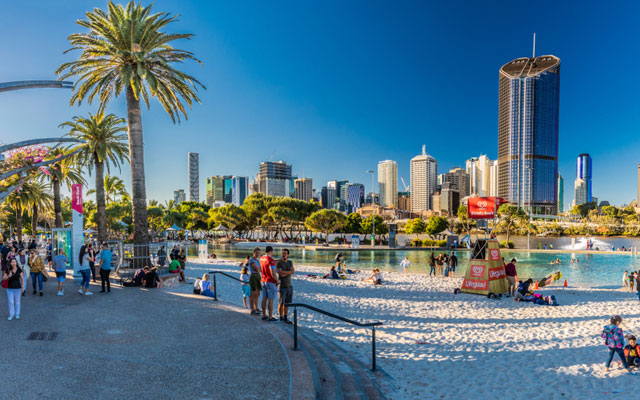
Brisbane’s 2031 Vision encourages visitors to stay longer and spend more; Streets Beach in South Bank Parklands pictured
Lord mayor Adrian Schrinner said the Visitor Economy 2031 Vision, developed by Brisbane’s economic development board Brisbane Marketing, in collaboration with industry and regional tourism partners as well as all levels of government, would help unlock the potential of the Brisbane region.
“Brisbane is transforming through A$12 billion (US$8.3 billion) worth of new developments, including Brisbane’s new runway, International Cruise Ship Terminal and Queen’s Wharf Brisbane,” he said, adding that “there is potential to secure an additional A$6.5 billion a year in visitor expenditure and support 50,000 new jobs”.
“In Brisbane, we know there is more to see and do in our region than ever before, but now we need to work together to create a globally recognised Brisbane brand and remarkable experiences to give visitors even more reason to stay and spend in our region.”
The Visitor Economy 2031 Vision aims to build experiences in Brisbane, encourage brand awareness and global advocacy, as well as encourage visitors to explore the entire Brisbane region and use Brisbane as a base to explore the rest of Australia.
Schrinner said work had already started to build a globally recognised brand for the region and unearth new experiences. Some of the initiatives underway include:
A A$10 million cooperative marketing program in collaboration with Brisbane Marketing, Brisbane Airport Corporation and the State Government targeting North America and South-east Asian markets where there are direct flights into Brisbane.
An industry-owned and shared Brisbane narrative, that captures the elements and examples that make Brisbane the region of choice for a growing number of domestic and international visitors.
The recently announced Lord Mayor’s Experience Development Incentive Grant Program that supports local businesses to offer more exceptional experiences to enhance Brisbane’s appeal as a destination of choice.
Brisbane City Council’s River Access Network that has opened up opportunities for new commissionable tourism products, similar to Sealink and the Quandamooka Yoolooburrabee Aboriginal Corporation’s (QYAC) newly launched Yalingbila whale watching tour.
“This Vision is a great example of collaboration, but our ambitions for the Brisbane region over the next 12 years will only be realised through a true partnership approach where all stakeholders continue to come to the table,” Schrinner said.
Brisbane Airport Corporation’s CEO Gert-Jan De Graaff said the city was in a unique position to attract more visitors and entice them to stay longer.
“Brisbane is entering an era of extraordinary opportunity and Brisbane’s new runway is a catalytic investment that will enable significant growth in international visitors for decades to come,” he said.
Momentum for Brisbane is already building with the latest tourism figures showing record numbers of domestic and international visitors from places like Sydney, Melbourne, China and the US.
Forecasts from the Visitor Economy 2031 Vision show the combined value of international and domestic overnight visitors to Brisbane will contribute nearly 90 per cent of total visitor spend and visitors will come from regional markets, interstate capital cities and Brisbane’s top six international markets, including China, India, North America, South Korea, Japan and the UK.
As the online travel market continues to rapidly evolve and grow, OTAs in Asia-Pacific looking to remain competitive must embrace merchandising and reinvent retail flow, as well as form strategic partnerships across the industry, said Amadeus in its latest report on the future of OTAs.
Asia-Pacific travel markets, while diverse in their opportunities and challenges, are no longer isolated ecosystems. Consolidation is on the rise, while big agencies have become mega brands and are acquiring smaller travel agencies to expand their product offerings and customer base. At the same time, local brands are defeating “the giants” through innovative solutions that focus on niche products or services that deliver unique travel experiences.
OTAs in Asia-Pacific must embrace merchandising and reinvent retail flow to ensure future growth: Amadeus
The competition is well and truly on to attract a traveller that is less loyal than ever before. Travellers today are demanding the same level of choice, personalised service and consistency across channels and devices, so they can compare and choose the option they desire. This will lead to a paradigm shift when it comes to flight retailing, where OTAs will need to rethink their search and booking flows for consumers to find the right product.
Amidst this shake up, Amadeus has released three recommendations for online travel companies to ensure future growth.
1. Ride the merchandising trend
“Merchandising is at the core of fundamental change taking place in the global airline distribution landscape. The unbundling of airlines’ ancillary products and services such as baggage fees, pre-assigned seats and airport transfers have been major moves for airlines to compete with attractive cheap fares. Today, the ability to cross-sell and up-sell optional services is now critical to secure revenue,” said Sebastien Gibergues, vice president, online travel, Asia Pacific, Amadeus.
“Online travel companies should explore new methods of merchandising to differentiate with and improve the user shopping experience. This could include providing customised offers for customers at various price points through frequent flyer numbers, or assembling bundles for customers, such as bundling airfares with seat selections and extra baggage,” he added.
eDreams ODIGEO has worked with Amadeus on its merchandising strategy. eDreams was one of the first players in Europe to implement the sale of extra baggage and seat selection as part of its wider product offering. The move paid off – eDreams was able to offer more personalised products and services, boosting its conversion levels and achieving its revenue diversification targets.
2. Reinvent retail flow to satisfy travellers’ demands
“Travel offer unbundling will continue to fragment content, which is good news for online travel companies who will play an important role in helping consumers purchase the right product. However, the challenge will be how to best aggregate and normalise travel content from multiple sources, so it can be searched and compared by travel sellers and travellers,” said Gibergues.
“As a result, online travel companies will need to reinvent their retail flow to satisfy the customers’ demand for “search and compare”.
“This represents the combination of all functionalities, enabling online travel companies to differentiate and deliver a truly exclusive user experience. This means not only displaying the cheapest possible fares but also offering choice – fare families, baggage, seat selection and others – all in one simple, easy-to-use booking flow,” he added.
Leading this transformation is Goibibo, part of the Go-MMT group in India. The team is already experimenting with the creation of their own offers to help travellers better understand and compare the prices of fare families across airlines.
Creating OTA branded bundles could allow consumers to identify what they need, such as economy class with extra luggage or premium economy class with no exchange fee, across multiple airlines. This also allows Goibibo to complement with missing services that would allow like-for-like comparison with other suppliers. This is a major paradigm shift in terms of user experience and needs to be handled with care. Their development team runs many AB testing scenarios to introduce these new features with optimal business upside across all channels.
3. Build mutually beneficial partnerships across the industry
“As content chaos continues across the industry, the challenge for online travel companies is how to aggregate and normalise travel content from multiple sources,” said Gibergues.
“Travel suppliers are seeking more control over how their products are displayed and sold across channels, which will bring both challenges and opportunities for online travel companies. Therefore, it is critical for online travel companies to build strategic partnerships in the industry, be it with technology providers, airlines or corporate travel companies.”
Online travel company Travix is working with Amadeus to enable NDC content to sit alongside traditional EDIFACT technology so that it can be found through one search and displayed in an aggregated way to allow for easy comparison. FCM Travel Solutions and Flight Centre are also testing new graphical user interfaces to access NDC content in the Amadeus Selling Platform so as to transform how they service bookings.
“Partnerships will enable online travel companies to have the widest and most accurate content choice to offer their customers, to deliver frictionless, end-to-end travel experiences,” said Gibergues.
He added: “The online travel market will be an exciting one to watch in the coming years. Innovation will continue to spark growth and change across the sector. To remain competitive and ensure future growth, online travel companies in Asia-Pacific will need to rethink their merchandising and retail flows, as well as look for opportunities to collaborate with others across the travel industry.”
Hilton has signed a management agreement with real estate development group GFC Company to operate a new hotel in Phnom Penh.
Part of a mixed-use development, the opening of the 280-room Hilton Phnom Penh in 2022 will mark the entry of the hotel company into the country.
Hilton to open new hotel in Phnom Penh come 2022
“Cambodia is primed for growth, having experienced the third largest increase in the number of international tourists in ASEAN last year – behind only Vietnam and Indonesia – and we believe the strength of the Hilton brand will go a long way in helping to boost Phnom Penh as a tourism destination,” said Paul Hutton, vice president, operations, South-east Asia, Hilton.
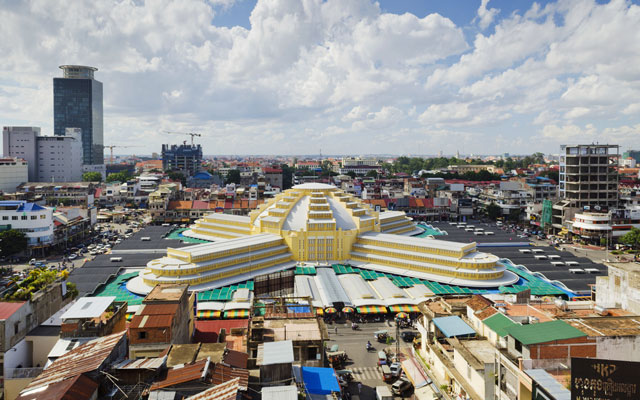
Located nine kilometres from Phnom Penh International Airport, Hilton Phnom Penh will be in close proximity to landmarks like the Phnom Penh Central Market and Vattanac Capital Tower, the country’s tallest high-row building.
Hilton Phnom Penh’s facilities will include an all-day dining restaurant, a specialty restaurant, a café, a lobby bar, an executive lounge, a fitness center, swimming pool, and functions space spanning more than 1,500m2, including an 875m2 ballroom.
Guy Phillips, senior vice president, development, Asia & Australasia, Hilton, said that it is an ideal time to be entering the market as “Cambodia as a destination is on a growth trajectory, with global businesses establishing a presence in the capital city and the government investing into its infrastructure to boost its tourism appeal”.
Currently, Hilton operates 39 properties across nine markets in South-east Asia, including Thailand, Indonesia and Myanmar. Over the next three to five years, the company is targeting to open 54 more hotels in its pipeline, including the launch of the Canopy by Hilton into South-east Asia and the company’s entry into Dili, Timor Leste, next year.
Tourism Australia has named Phillipa Harrison as its new managing director, replacing John O’Sullivan who quit in May to head up adventure tourism company Experience Co.
The promotion sees Harrison become the NTO’s first-ever female head, and comes after a period of several months during which she has held the managing director role in an acting capacity.
Phillipa Harrison
“This is a period of change, challenge and opportunity for our industry. With competition for the global travel wallet and the demands of the international traveller ever increasing, and both global and Australian tourism facing a number of significant headwinds, the need for a strong, cohesive and united industry has never been greater,” said Harrison.
She added that her focus is to retain Tourism Australia’s competitiveness through “creative and high impact marketing” and “the important distribution and partnership platforms we provide to the industry”.
Harrison was previously Tourism Australia’s executive general manager international, overseeing a network of international offices spanning 12 countries, and managing airline relationships and distribution channels.