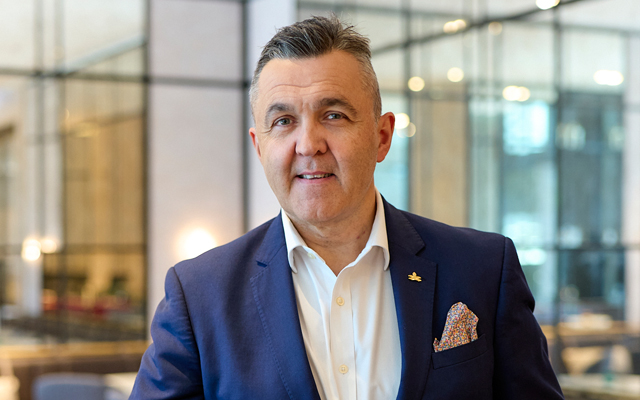
Amadeus and South Korean online travel platform Myrealtrip have signed a global agreement to expand their partnership and collaborate on technology and content development initiatives.
The agreement was formalised during a signing ceremony at Amadeus’ Singapore office and builds on the companies’ existing relationship.
The agreement will support AI-powered retailing, personalisation and the expansion of hotel and destination content
Under the partnership, Myrealtrip will deploy additional Amadeus technologies, including AI-powered solutions designed to support retailing, personalisation and operational efficiency. The companies will also work together on technology and consulting projects aimed at enhancing the customer experience.
A key focus of the agreement is the expansion of non-air content, including hotels and destination experiences, enabling Myrealtrip to broaden its product offering beyond flights.
The collaboration will also explore the use of Amadeus Hey!, the company’s traveller engagement platform, to support personalised communication and services before, during and after a trip.
According to the companies, the agreement is intended to support Myrealtrip’s growth plans while strengthening Amadeus’ role as a technology partner in the South Korean travel market.
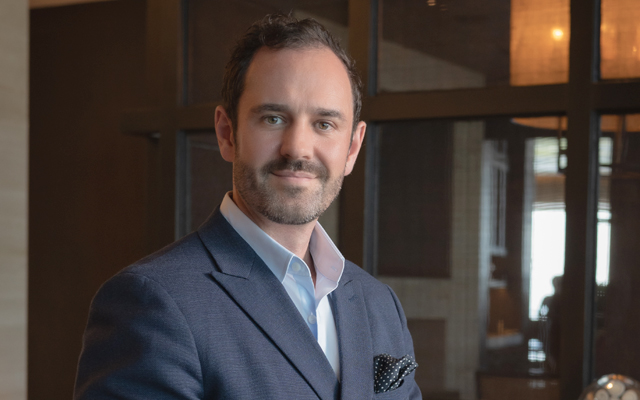
Donggun Lee, CEO of Myrealtrip, said: “By collaborating closely on AI-driven capabilities, advanced search, and an expanded portfolio of non-air content, we are strengthening our technology capabilities as an AI-native travel platform to deliver greater scalability, personalisation and a more integrated travel experience for our customers as Myrealtrip continues to grow in (South) Korea and beyond.”
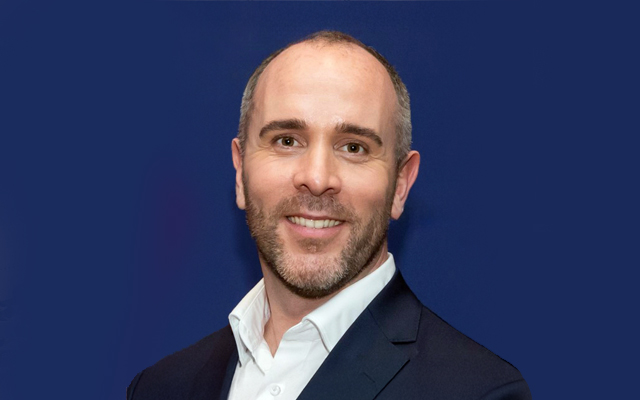
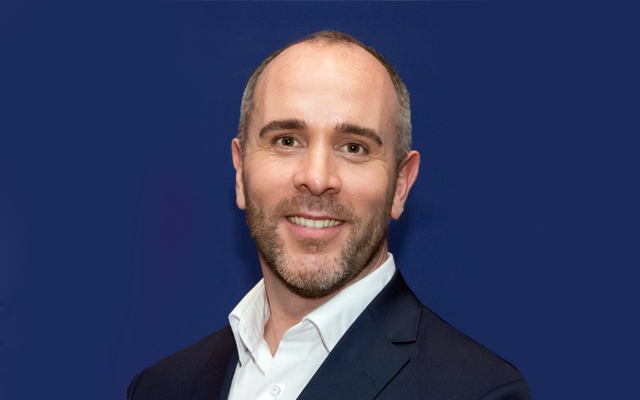
Renaud Nicolle, senior vice president, travel sellers, Asia-Pacific, Amadeus, added: “This agreement reflects our commitment to collaborate openly and support Myrealtrip’s next phase of growth. As AI continues to transform the travel ecosystem, we’re focused on enabling partners with the intelligent, connected capabilities needed to personalise experiences and drive smarter operations.”
JW Marriott Phu Quoc Emerald Bay Resort & Spa has launched the Own The Day package, offering guests a guaranteed late check-out that matches their arrival time.
The package is designed for travellers with afternoon and evening departures, allowing them to retain access to their room for a full 24-hour stay cycle. For example, guests checking in at 18.00 can remain in their room until 18.00 on their departure day.
JW Marriott Phu Quoc’s new package allows guests to check out at the same time as their original arrival, extending access to their room on departure day
The offer gives visitors additional time to enjoy the resort’s facilities before leaving Phu Quoc. Guests can make use of the Spa by JW, spend time at Khem Beach, enjoy water sports, or explore the resort’s architecture designed by Bill Bensley.
The extended stay also allows guests to dine at the resort’s restaurants and bars, including Tempus Fugit, Department of Chemistry Bar and Pink Pearl by Olivier E, before heading to the airport.
Located on Khem Beach in southern Phu Quoc, the resort features beachfront accommodation, dining venues and wellness facilities.
Graham Pope, vice president – International, Sales, Cvent, shares the strategies that hotels can adopt to be visible in the age of AI search results
Traditional SEO is no longer enough to keep hotels visible to corporate buyers and event planners.
“As travel and meetings sourcing increasingly shifts towards generative AI platforms, hospitality sales leaders are facing a new challenge: the AI Discovery Gap,” says Graham Pope, vice president – International, Sales, Cvent.
He explains how this shift is impacting visibility and the strategies that properties can take.
According to Cvent data, organic click-through rates (CTRs) have fallen sharply from 1.76% to 0.61% as AI-generated search results increasingly answer queries directly, reducing the need for users to click through to websites.
For hotels, this creates a serious sales challenge. Event planners and corporate buyers are no longer browsing pages of search results. Instead, they are asking AI engines highly specific questions, such as: “Find a venue in Singapore for 200 people with a sustainable menu and a rooftop breakout space.” If an AI engine cannot accurately interpret a property’s data, the hotel may not even be considered, and a potential sales opportunity is gone before an RFP is even created. Understanding the mechanics of these platforms is essential.
To remain visible, hospitality leaders must evolve from traditional Search Engine Optimisation (SEO) towards Generative Engine Optimisation (GEO).
For the modern hotelier, GEO is about ensuring your property’s MICE offerings show up in AI search results in response to increasingly complex buyer prompts.
Hotels must now optimise for AI comprehension and hyper-personalised buyer journeys.
This begins with clean and structured data. Hotels need accurate information that clearly shows their offerings, such as ballroom size, exact audiovisual capabilities, meeting capacities and configurations, sustainability credentials, room inventory, and breakout configurations. Properties that present their information in a way that AI engines can interpret, in response to the conversational way planners search, are more likely to appear in recommendations.
Consistency is equally important. If meeting room capacities, room inventory, sustainability credentials or venue descriptions differ across a hotel’s website, OTA listings, destination directories and sourcing platforms, AI engines may struggle to determine which information is accurate. These discrepancies can trigger AI “confidence drops”, reducing the likelihood of a property appearing in recommendations.
Work with your partners to ensure that your property’s info is accurate and up-to-date.
Hotels should also ensure their digital content reflects local context. Information about proximity to convention centres, business districts, airports, attractions and transport links can help AI engines match properties more effectively to specific planner requirements.
Deeper AI focus areas for hotel sales teams
Beyond visibility, AI is also reshaping how hospitality sales teams manage pricing, planning, and lead generation.
Hyper-dynamic group pricing
Traditional static or seasonal corporate rates are becoming increasingly ineffective in fast-moving markets.
AI-powered pricing systems that can evaluate multi-property availability, market demand, and historical conversion data in real time to instantly recommend optimal group pricing will allow hotels to respond more dynamically to market shifts while maximising conversion opportunities.
AI-driven event diagramming and digital twins
Event planners now demand interactive, digital simulations over static floorplans. 3D diagrams of your floorplans are a key piece of content to help your hotel appear in AI search results.
By feeding AI systems this 3D data, your property becomes discoverable for specific setups, enabling planners to visualise instantly, where they can map out seating, production layouts, and breakout scenarios in real time.
It also helps boost AI rankings, providing the structured data AI agents need to match your venue against precise buyer requirements.
By doing so, it gives buyers the confidence to book faster by eliminating the guesswork.
Rather than just being a mere planning tool, 3D diagramming is now essential in this era of AI-driven search results, ensuring your hotel stays visible to next-gen buyers.
3D diagram of an event room showcasing the different configurations it can take
Predictive lead scoring and automated RFP triage
As sales teams face growing operational pressure, predictive AI tools can help prioritise opportunities more effectively.
AI systems can automatically evaluate incoming RFPs based on close probability, historical booking patterns, and profitability potential, helping sales teams focus their attention on the highest value leads instead of manually sorting through every enquiry equally.
The unified guest and buyer profile
Another critical shift involves breaking down fragmented data silos between project management systems, central reservation systems, and MICE systems.
Integrating these datasets into a unified, AI-analysed profile allows hotels to create more seamless personalisation across corporate accounts, repeat group bookings, and multi-city programmes.
For sales leaders, this creates opportunities to better understand buyer preferences and deliver more relevant recommendations across the customer journey.
A leadership imperative
The AI transition is no longer solely a matter for the IT or digital marketing departments. It is increasingly becoming a sales and revenue acquisition issue.
To remain competitive, hospitality leaders must invest in clean data infrastructure, regularly audit their AI visibility, and treat their digital footprint as the primary information source feeding global AI engines.
Graham Pope is vice president, International, Hospitality Cloud at Cvent. With more than 22 years of experience across hospitality, events, and SaaS, he works closely with hotels, venues, and destinations on commercial strategy, demand generation, and technology-led growth. A frequent speaker at industry events, including Cvent Accelerate and IMEX Frankfurt, Graham is known for his perspective on hospitality trends, event-led growth, and the role of AI and data-driven insights in helping organisations drive smarter decisions, stronger customer engagement, and long-term revenue performance.
The site of a former British artillery outpost, The Barracks Hotel Sentosa is now a modern luxury boutique hotel that retains its heritage while providing exceptional service
Housed within a former British artillery outpost built in 1904, The Barracks Hotel Sentosa in Singapore takes luxury to a whole new level through thoughtful touches that blend heritage, sensory experiences and personalised hospitality.
Built within the restored Blakang Mati Artillery Barracks, once home to British soldiers stationed on Sentosa, the 40-room luxury property draws from its storied past, transforming what was once military quarters into an intimate heritage hideaway rich in character and charm.
Introduced last year to mark its fifth anniversary, a refreshed turndown experience offers guests a relaxing evening before they turn in for the night.
The turndown experience, created in collaboration with British perfumery house Miller Harris and local tea artisan Pryce Tea, invites guests to partake in a ritual of tranquillity that pays homage to Singapore’s origins.
The multi-sensorial ritual begins with the Miller Harris Tea Tonique collection, the British perfumer’s first hotel partnership in Singapore. Inspired by the ritual of brewing tea, the collection features premium bath amenities including shower essentials, hand wash, and hand and body lotions, with exclusive Tea Tonique bath salts available upon request for a lush bathing experience.
1 of 4
Premium bath amenities from the Miller Harris Tea Tonique collection
Tea-based cocktails offer a refreshing twist on classic tipples
Exclusive room scents by Pryce Tea to enhance turndown experience
Wine and canapés at The Living Room
Adding to the turndown experience, Pryce Tea introduces two exclusive room scents – Graceful Camellia, a harmonious blend of Assam black tea with florals like iris and peony, or Starlit Serenity, a calming fusion of French lavender and juniper. Guests’ chosen scents are subtly diffused throughout the room and on medallions above the bed to gently engage the olfactory senses.
Luxury at The Barracks Hotel Sentosa extends beyond the rooms. Every touchpoint in the guest journey reflects the hotels’ dedication to bespoke hospitality.
A signature equerry service provides guests with personalised assistance such as a pre-arrival guide, as well as curated recommendations throughout their stay. Buggy service to the island’s attractions is also available.
For a uniquely curated experience, the hotel offers a Heritage Audio Tour that takes you through the history of Sentosa and the stories of the heritage building, with personal anecdotes narrated by veterans who once served in the barracks.
At The Living Room, guests may enjoy the complimentary Tea Tailoring Experience every Tuesday and Wednesday afternoon, where they create and savour bespoke tea blends in an intimate setting. For a more elevated indulgence, they can also enjoy a decadent Champagne Afternoon Tea with sweet and savoury treats, paired with free-flow champagne. Guests can also unwind during the hotel’s daily Wine & Canapés session at The Living Room, where bespoke tea-infused cocktails including the signature 1904 Barracks Spritz are served alongside canapés in an intimate lounge setting.
The hotel’s cocktail selection has also been expanded with the Barracks Martini Tonique, a cocktail inspired by the notes found in Miller Harris’ Tea Tonique collection.
Wellness experiences further enhance one’s holiday in the tropics. For guests seeking such experiences, treatments are also available at the Oasia Spa in Oasia Resort Sentosa. Massages and facial therapies are offered in a restorative setting designed to help guests refresh, refuel and recharge.
Combining these experiences, The Barracks Hotel Sentosa delivers a luxury stay experience deeply rooted in heritage, craftsmanship and thoughtful hospitality.
Sun Siyam has made three leadership appointments across its Maldives resorts.
Masdhooq Saeed has been promoted to cluster general manager for Sun Siyam Iru Veli and Sun Siyam Vilu Reef. He previously served as general manager of Sun Siyam Iru Veli.
From left: Masdhooq Saeed, Ibrahim Baasith and Ibrahim Jaaweedh
Ibrahim Baasith has been named director of operations at Sun Siyam Vilu Reef. He most recently served as operations manager at Sun Siyam Olhuveli.
Ibrahim Jaaweedh has been appointed operations manager at Sun Siyam Olhuveli. He joins the role after serving in a range of operational and guest services positions within the Sun Siyam portfolio, most recently as guest services manager.
Vishwajeet Singh has been appointed director of sales and marketing at JW Marriott New Delhi Aerocity.
He brings more than 16 years of experience in hospitality sales, marketing, business development and customer relationship management, and will lead the hotel’s commercial strategy, revenue growth and market positioning efforts.
The Tourism Authority of Thailand (TAT) is positioning Africa as a key growth market as it seeks to diversify visitor sources amid ongoing uncertainty in the Middle East.
The continent is showing strong growth, particularly from Mauritius, where visitor numbers have risen 22 per cent, and Nigeria, which has recorded growth of 35 per cent. TAT attributes the increase to a growing middle-class driving demand for luxury and honeymoon travel, supported by air connectivity through hubs such as Dubai, Doha and Addis Ababa.
TAT outlined its strategy to grow arrivals from Africa and other longhaul markets during a media briefing at TTM+ 2026 in Pattaya on June 11, 2026; photo by Anne Somanas
“Africa serves as a strategic diversification hedge against Middle Eastern volatility because its rising, affluent middle class offers standout growth in luxury travel demand while conveniently utilising the same robust aviation hubs and flight capacities,” said Chiravadee Khunsub, TAT deputy governor for international marketing for Europe, the Americas, the Middle East and Africa.
As of May 25, 2026, Thailand had welcomed 63,031 visitors from Africa. These travellers spent an average of 56,279 baht (US$1,710) per trip and stayed for an average of 11.33 nights, representing nearly half the Middle East market’s volume and a little over half of its average trip spend.
To strengthen its presence in the region, TAT is expanding its operations across both the Middle East and Africa.
“Our Dubai office currently manages the entire Middle East and Africa region, but we are working diligently to establish a new office in Riyadh, Saudi Arabia. Opening in Riyadh will be a major strategic move, enabling us to significantly increase our marketing capabilities and capture market share across these critical territories,” said Santi Sawangcharoen, TAT executive director for the Americas, Middle East and Africa region.
He added that TAT is organising trade shows and consumer events across Africa in cooperation with Thai embassies and consulates, while tailoring its approach to individual markets and focusing resources on major cities.
Given budget constraints, South Africa remains TAT’s primary focus market on the continent. The tourism board plans to conduct trade missions this year in Johannesburg, Cape Town and Durban.
“We must hit the right target groups, and South Africa remains our absolute priority because it delivers substantial tourist volumes alongside notably high purchasing power,” Chiravadee noted.
While African travellers tend to favour Thailand’s leading destinations, beach resorts and culinary experiences, TAT is seeking to encourage wider exploration of the country.
“For many of these visitors, Phuket is even perceived as the capital of Thailand due familiarity from direct aviation links, and seamless connections via Kenya Airways and Ethiopian Airlines,” Chiravadee said.
“Our goal now is to promote travel beyond Phuket by combining it with secondary destinations. The true value for our visitors lies in the extended experience, and we want to leave a lasting impression by encouraging them to explore further.”
A new tourism initiative highlighting the historical, cultural and culinary attractions along Japan’s historic highways has been launched to encourage more international visitors to explore prefectures surrounding Tokyo.
Known as Edo Shogun Roads, the project focuses on the road network that linked present-day Tokyo with neighbouring regions around 400 years ago. The five main routes, known as the Gokaido, radiated from Nihonbashi in central Tokyo to destinations hundreds of kilometres away. Along the routes were checkpoints for security and post towns that provided accommodation and supplies for travellers.
Narai-juku, a historic post town in Nagano Prefecture, is among the destinations highlighted by the Edo Shogun Roads project
The Kanto District Transport Bureau and the Greater Tokyo Convention & Visitors Bureau are now promoting the initiative through a dedicated website, suggested itineraries and visitor experiences designed to encourage exploration of the routes once used by merchants, pilgrims and samurai.
The project aims to increase day trips from Tokyo and encourage longer stays in the surrounding 10 prefectures, supporting regional economies and sustainable tourism development.
Visitors can also walk or cycle sections of the historic routes and visit landmarks including the Hakone Sekisho checkpoint in Kanagawa Prefecture and the former post towns of Tsumago-juku and Narai-juku in Nagano Prefecture.
Other experiences include hiking in Ozu National Park in Tochigi Prefecture, attending early morning prayers at Minobusan Kuonji Temple in Yamanashi Prefecture and taking part in kendo activities in Fukushima Prefecture.
Edo Shogun Roads will also tie in with Yokohama’s hosting of the International Horticultural Expo 2027 by promoting travel experiences centred on gardens, seasonal flowers and nature.
Emirates will broadcast every match of the FIFA World Cup 2026 live onboard its flights through the Sport 24 channel available on its ice in-flight entertainment system.
The live sports channels are designed to provide passengers with access to major sporting events during their journeys. Coverage will run throughout the tournament, from the opening match in Mexico to the final in the US on July 19, allowing passengers to follow the competition while travelling.
Passengers will be able to watch every FIFA World Cup 2026 match live through Emirates’ Sport 24 channel; photo by Emirates
The airline said the full match schedule is available in the June edition of its ice magazine, enabling customers to plan their viewing during flights.
Live television, including Sport 24 and Sport 24 Extra, is available on most Emirates aircraft, although availability may vary depending on aircraft type and route.
Where possible, FIFA World Cup 2026 matches will also be shown in Emirates lounges in Dubai.
In addition to football coverage, Emirates will continue to offer a range of live sports programming through Sport 24 and Sport 24 Extra.
The NBA Finals will be available through June 20, while other events scheduled for broadcast include the Canada Sail Grand Prix in Halifax on June 20-21, the Formula 1 Belgian Grand Prix on July 19 and the Formula 1 Hungarian Grand Prix on July 26.
Dusit International has signed a hotel management agreement with developer Atmosphere to introduce its Dusit Princess brand in the Tehri Garhwal region of Uttarakhand, India.
Scheduled to open in 2031, Dusit Princess Rishikesh will be located near Rishikesh, a destination known for wellness, spirituality and outdoor tourism in northern India.
Donavanik said the signing reflects Dusit’s commitment to growing its presence in India
The project is planned as a mixed-use development comprising 300 keys, including hotel rooms and duplex villas. It is expected to cater to both leisure and business travellers.
Facilities will include an all-day dining restaurant, lobby lounge, business centre, outdoor swimming pool, gym, yoga room and event spaces.
The development will also feature a clubhouse with wellness and recreational facilities including a spa, infinity pool, restaurant, squash court, mini-plex, bowling alley and indoor games.
According to the companies, the project has been designed to integrate with its Himalayan surroundings while focusing on wellness and lifestyle experiences.
The signing follows the opening of dusitD2 Fagu, Shimla in December 2024 and expands Dusit’s development pipeline in India, which the company identifies as a key growth market.
Siradej Donavanik, vice president – development (global) at Dusit International, said: “The signing of Dusit Princess Rishikesh reflects our commitment to growing thoughtfully in India through destinations that align with evolving traveller trends and owner aspirations.”
Sanchit Jain, chairman and managing director of Atmosphere, added: “With Dusit’s globally recognised hospitality expertise and strong wellness-driven approach, we are confident that Dusit Princess Rishikesh will emerge as a distinguished retreat for travellers seeking immersive and elevated stay experiences in Uttarakhand.”