TTG Asia
Asia/Singapore Thursday, 29th January 2026
Page 38

Onyx Hospitality Group rolls out 2025 festive campaign

0

Onyx Hospitality Group has unveiled its 2025 holiday campaign, Beyond the Festivities, across its Amari, Ozo, Shama, and Oriental Residence brands, blending seasonal celebrations with local culture to create memorable experiences for guests and communities across Asia-Pacific.

Amari marks its 60th anniversary with hands-on experiences, from artisanal workshops and traditional boat decorations to toy donations and support for local charities in Thailand, Malaysia, Laos, and Sri Lanka.

Onyx hotels across Asia bring festive cheer with curated experiences, local traditions, and seasonal celebrations; Amari Pattaya, pictured

Oriental Residence Bangkok presents White & Gold seasonal elegance with festive dining, curated hampers featuring sustainable and locally crafted gifts, and a Christmas tree lighting ceremony.

Shama celebrates the season by recreating a “home away from home”, with intimate events, local excursions, and activities that strengthen bonds between guests and communities, while Ozo adds a lively, playful twist, with bold décor, interactive programming, and vibrant communal spaces designed for shared celebrations and joyful gatherings.

For more information, visit Onyx Hospitality Group.

Grand Hyatt Singapore reimagined: Three unmissable elevated living, dining, and wellness experiences

0
Indulge in luxury with a king bed and garden access

Brought to you by Grand Hyatt Singapore

An iconic destination in Singapore’s premier Orchard Road shopping precinct, the 699-room Grand Hyatt Singapore has reopened after a multi-year transformation with luxurious offerings from its rooms and dining to a holistic wellness experience and sustainable practices. 

Luxury living

Designed to convey luxurious comfort amidst a sense of local heritage, Grand Hyatt Singapore offers generously sized guestrooms across two wings. 

The Grand Wing houses a variety of 407 rooms and suites from 54m², designed in open-plan layouts with warm furnishings, striking Patagonia stone bathrooms and Peranakan-inspired design accents that reflect the city’s heritage. The Terrace Wing houses 292 nature-inspired guestrooms from 42m² designed in comforting neutral tones with ice-green marble accents, wooden furnishings, and window alcoves with daybeds for lounging. 

Guests seeking direct access to greenery can opt for one of the five 60m² Garden Studio Rooms, which open onto the hotel’s wellness lawn and lap pool.

At the heart of its luxury lifestyle offering is the Garden – a lush urban oasis envisioned by award-winning landscape architect Grant Associates. Spread across the hotel’s grounds, it features serene lawns, a landscaped wellness pool, and spaces that seamlessly blend nature with the city. The Garden offers a rare sense of tranquillity on busy Orchard Road, where guests can retreat for moments of calm, mindful activities, or simply to enjoy tropical greenery.

Wellness with intention

Key to the hotel’s transformation is Damai, its comprehensive wellness sanctuary that combines modern science with tradition. 

Choose from a variety of science-backed treatments that support recovery, detoxification and mental clarity. Complementing these are thermal-hydro experiences, including a Halo Steam Room infused with Himalayan salt, an Air Lounge Hydro Pool, and the only Mind Body Therapy Wall in a hotel in Singapore. A spacious, fully equipped gym, functional training studio and dedicated outdoor wellness lawns in a lush garden with biophilic design, providing more workout options in tranquil surroundings.

Within the Damai House is the Mind Body Therapy (MBT) wall, the first of its kind in a hotel in South-east Asia, offering a novel way to support ease of movement. 

Damai is also the first Hyrox-accredited hotel fitness training facility in South-east Asia,  further elevating its position as a hub for holistic wellbeing. Through this partnership with the fitness race competition, Grand Hyatt Singapore is offering a Hyrox Stay Experience that includes exclusive room rates, in-room amenities, and discounts on select F&B and spa treatments.

Culinary extravaganza

Home to seven dining venues, Grand Hyatt Singapore reintroduces familiar names and reveals fresh concepts.

Buffet restaurant StraitsKitchen, with its halal-certified kitchen, returns with vibrant show kitchens that showcase Singapore’s multicultural heritage with Chinese, Malay, Indian, and Nonya dishes.

Pete’s Place, a long-time Orchard Road institution, remains beloved for its rustic Italian fare. Its revamp brings a chef’s table experience, an antipasti bar, and a wine cellar, adding an extra experiential element and variety to its charm. 

Another returning favourite is 10|SCOTTS, with the relaunch of its Grand Afternoon Tea and Grand Evening Indulgence buffets that celebrate the ritual of afternoon tea and its former After 6 dinner buffet.

Modern European restaurant Le Pristine Singapore has also been revamped and conceptualised by three Michelin-starred chef Sergio Herman. New on the menu are Sunday brunch and Sunday supper with a seafood-focused menu shows influences from Herman’s Dutch heritage and Italian cuisine. 

Guests seeking more casual settings can unwind at the poolside lifestyle restaurant and bar Oasis with a homely and hearty menu of barbeque platters and grills, fun-crafted beverages, and cocktails on tap – perfect for fun pool parties. 

Upping the entertainment ante is BRIX, which hosts live performances five nights of the week.

For something more exclusive, the Martini Bar offers one of the largest selections of handcrafted martinis in a glass-enclosed space, making it ideal for gatherings. 

New to the line up is The Shop, a retail and café concept offering premium coffee, fresh bakes, and gourmet treats — perfect for a casual stop or takeaway.

Green practices 

Anchoring the hotel’s operations are its sustainability practices, which have earned it the GSTC (Global Sustainable Tourism Council) certification and Green Mark Platinum status from Singapore’s Building and Construction Authority. . The property runs fully on 100 per cent renewable electricity and bottles water in-house to eliminate single use plastic, reducing its carbon footprint. 

Innovations such as a closed-loop food waste-to-farm aquaponics system converts excess food into fish feed, then fertiliser for rooftop gardens, which supply the hotel’s kitchens. 

Over 80 per cent of its organic vegetables are sourced from Cameron Highlands and local farms, while 55 per cent of its seafood is certified sustainable, all while championing zero-waste cooking. 

It is also the first hotel in South-east Asia to adopt Wisefins technology, which tracks the carbon footprint of each dish to guide more responsible menu creation. RFID-enabled laundry systems, and high-efficiency dishwashing equipment further strengthen its eco-friendly practices.

Experience luxury living, culinary excellence and holistic recovery at Grand Hyatt Singapore now.

Japan sees rise in overnight travel options

0

As hotel prices in Japan continue to rise, cost-conscious travellers are looking for more affordable ways to stay, including use of overnight ferries and buses, as well as camper vans.

A survey by Tokyo Shoko Research shows that the country’s lack of room supply is driving even the 15 main budget hotel brands to become pricier. In March, the average unit price had increased 12.6 per cent year-on-year to reach 16,679 yen (US$109).

With hotel prices climbing, travellers turn to ferries, buses, and camper vans for affordable overnight stays

In response, there is growing demand to travel overnight, and companies are adapting by launching new products.

Jumbo Ferry’s overnight route linking Takamatsu in Shikoku to Kobe, introduced to leverage interest in Expo 2025 in nearby Osaka, served over 800 passengers during the six-month event.

Kochi Ekimae Kanko will launch Japan’s first overnight bus service – featuring lie-flat seats – in November, following a successful trial on its 13-hour service between Tokyo and Kochi, in Shikoku. Each 180-cm long flatbed is equipped with safety rails and expected to cost around 10,000 yen.

Meanwhile, with campervan usage also rising, road-side service providers are also eyeing a share of the market.

In July, convenience store chain Lawson launched a pilot programme allowing overnight car camping, with access to toilets and electricity, in the car parks of seven of its stores in Chiba Prefecture for 3,000 yen per night.

The number of michi no eki roadside areas, which provide parking, restrooms, tourist information, eateries and shops – and often viewpoints and hot springs – is also increasing. As of January, there were 1,230 such facilities, up from 1,160 in 2019.

StarVoyager returns to Hong Kong for 2026 sailings

0

StarCruises will welcome travellers aboard Star Voyager as she returns to Hong Kong for a nine-month homeport deployment from February 13 to November 13, 2026. Guests can embark from Ocean Terminal in Tsim Sha Tsui, providing convenient access for local, regional, and international fly-cruise travellers.

Star Voyager will offer two-night weekend cruises to Xiamen and five-night cruises exploring multiple coastal destinations. The two-night cruises depart Fridays at 20.00 and return Sundays at 14.00, giving guests time to explore Gulangyu Island’s streets, sample local snacks, browse boutiques, and enjoy the seaside walkways.

Star Voyager sets sail from Hong Kong for two-night and five-night cruises across Asia

The five-night cruises include the Pearls of the East itinerary (Xiamen, Ishigaki, Miyakojima), the Island Adventure cruise (Xiamen & Naha), and the Island & Heritage Trail (Naha, Keelung and Penghu). These sailings combine cultural exploration, seaside relaxation, and outdoor activities such as snorkelling, kayaking, and heritage visits, offering travellers deeper experiences across multiple destinations.

Bookings for 2026 sailings open online on November 10, 2025, with departures starting February 13, 2026.

Reservations can be made via the StarDream Cruises website or local travel agents.

For more information, visit StarDream Cruises.

Quest for the unusual draws luxury travellers to independent hotels

0

Demand for independent hotels that offer creative guest experiences is on the rise, as well-travelled individuals turn away from accommodation that feels generic and indistinguishable.

Sharing his observations with TTG Asia, Philipp Weghmann, chief development officer of Preferred Travel Group (PTG), said: “Demand for independent luxury accommodation is more pronounced than ever because people are always after unique hotels and experiences.”

Three Camel Lodge in Mongolia, a member of the Beyond Green Collection, invites travellers to experience the destination in a sustainable manner

He noted findings from the Luxury Travel Report, published in May 2025 by Preferred Hotels & Resorts in partnership with The Harris Poll, that identifies travellers’ dislike for “sameness in design, service, and experience”.

Seventy per cent of surveyed luxury travellers find that modern luxury hotels have lost their soul to standardisation.

The report describes the rise of “dupe culture and algorithm-driven itineraries” that has led cities and stays to “feel indistinguishable” as the “beige-ification of travel”.

Today’s affluent traveller, according to the report, craves the unrepeatable: places that excite, environments that surprise, and experiences rooted in individuality. Nearly three-quarters of respondents say they will not pay for luxury accommodation that feels generic.

“Consumers, especially the high end consumers, do not like the ‘beige-ification’ of travel,” said Weghmann, adding that independent hotels are able to avoid predictable experiences since they have the flexibility to “deliver unique experiences that are not tied to signature programming that comes with being part of a global hardware”.

Creative guest experiences, he noted, could be delivered through architecture and design, culinary, and wellness.

In the Luxury Travel Report, 89 per cent of respondents express interest in seeing local charm reflected in hotels.

While independent hotels have the advantage of creative expression, they may lack access to global distribution. Weghmann said a membership with Preferred Hotels & Resorts would pave the way for independent hotels to “tap into a global infrastructure that has offices with salespeople in over 20 locations all over the world” as well as benefit from “co-op marketing”.

Preferred Hotels & Resorts now has more than 600 distinctive hotels, resorts, residences, and unique hotel groups across 80 countries – and Weghmann’s team has an appetite for more.

“Asia is one of our greatest markets of opportunity,” he said, adding that PTG would like to add more member hotels in secondary destinations across the Asia-Pacific.

He also recognised the rise of interesting destinations in countries such as Thailand, Vietnam, and Indonesia.

When asked if travel and tourism companies like his could help distribute tourist footfalls away from over-crowded popular cities, Weghmann said PTG has already been working to make travel a vehicle for good.

He explained: “First of all, we’re not only in the primary cities. We have hotels in secondary destinations, which creates visibility for hotels and their destinations. Our I Prefer Hotel Rewards loyalty programme members are very seasoned travellers who want to discover new places. Our loyalty programme and hotel network work together to take our customers deeper into countries.

“Second, Preferred Travel Group’s Beyond Green portfolio features many properties that sit in remote locations. We have Three Camel Lodge in Mongolia and andBeyond Punakha River Lodge in Bhutan, for example. Both destinations are beautiful and untouched by overtourism. Having properties in these destinations allows us to promote inbound tourism, create employment opportunities for the locals, and make tourism a real force for good.”

Finally, through PTG Consulting, the company offers a division that works on behalf of destinations and hotels to promote tourism in a sensible and responsible way.

Singapore hotels refresh operations with digital innovation

0

From the post-Covid rebound to more recent geopolitical tensions, the hotel industry has undergone considerable difficulties that directly impacted their business in the past three years.

Hotel owners and operators face the need to offer superior guest experiences, while seeing margins under pressure from OTAs that take a cut from each booking.

They understand the cost pressures and manpower shortages facing the industry, as peers and competitors turn to technology to streamline operations. Whether to improve efficiency, say, through an AI concierge, or to modernise multi-channel communications with guests through a cloud-based telephony system, they know innovation is the way forward.

Singapore’s industry digital plan (IDP) to refresh the hotel industry, launched in early September, offers a timely blueprint for many establishments in one of the world’s most popular destinations. Singapore expects tourism receipts could reach between S$47 billion (US$34.3 billion) and S$50 billion by 2040.

Impact of digital transformation on hoteliers
Like any industry that has undergone digital transformation, hotels that innovate faster get ahead of the competition. Today, there are numerous digital technologies that they can incorporate into their systems, depending on how far they are on their digital journey.

The Singapore government’s IDP, for example, suggests digital solutions to address various pain points. At the front office, technologies such as digital keys can help with quick check-ins, while AI chatbots can engage customers and prevent staff from being overwhelmed by guest queries.

For housekeeping, AI-enabled robots can be deployed for routine delivery or cleaning tasks, while a modern inventory management system helps keep items such as linen well stocked. For sales and marketing, generative AI can help create interactive and captivating content to attract new guests and keep repeat customers coming back.

Collaboration at the heart of a hotel
At the core of any hotel – indeed, any modern business – is an effective communications system that runs across multiple channels to keep staff, customers and other stakeholders connected.

A modern communications platform is crucial to so much of what a hotel does, starting with the guest app, which can be used for booking, loyalty points, check-ins, and chats, for example.

A communications platform also links up a hotel’s efforts to manage automation and its IoT systems – from robots delivering items to guests to video AI for safety monitoring. All these should not be silos.

With such a vital role to play, this communications platform needs to be open to modern channels, from WhatsApp to traditional phone calls, and Salesforce to ServiceNow solutions. Plus, it needs to be flexible and scalable enough to run on different setups, including on-premises or on the cloud.

Building a foundation for the future
The right technology partner becomes crucial. Hoteliers should seek a communications platform that provides a foundational layer for tomorrow’s needs, one that is flexible enough to manage both current demands and future integrations.

The ideal platform must be open, agile, and able to connect a hotel’s core systems – from its Property Management System (PMS) and telephone to guest apps and IoT systems – to eliminate information silos and create a cohesive operational environment.

Such a platform should be built with key capabilities that directly address the pain points of hoteliers:

  • Base Collaboration and Delegation Tools: Look for a solution that streamlines processes, reducing friction and lag in everyday operations. Start with automation tools that trigger guest profile creation and room assignment in the system upon check-in. Separately, through sensors at the front desk, a queue forming up will alert the hotel to deploy more staff to meet customers quickly. Similarly, AI analytics can be applied to video feeds to detect food trays that are unattended in the corridors, which may need clearing.
  • A Unified Communications Ecosystem for Everyone: The platform must provide a unified communications ecosystem for both guests and staff. This means consolidating all channels – from traditional phone calls to modern webchat widgets and dedicated WhatsApp connectors – into a single platform that is easy for staff to manage, thereby improving response times and operational coordination. Just as important are internal collaboration and compliance. The hotel should have full control over both the system’s content and allowed functions to reduce the risk of cybersecurity incidents or data leakage.
  • Full Visibility for Smarter, Data-Driven Decisions: Finally, the platform must provide full visibility into communications and service activity. It should give managers a centralised dashboard with real-time and historical call data, enabling them to gain key insights and make smarter, data-driven decisions that impact the bottom line.

A partner should also be able to offer hoteliers a choice. Some may prefer to continue using on-premises infrastructure, while others may be ready to transition to a fully cloud-based solution.

The ideal technology partner recognises this and provides flexible deployment models – on-premises, hybrid, or cloud – so that hotels can achieve their immediate and future needs without being locked into a rigid, one-size-fits-all setup.

By delivering a unified solution that manages and integrates the various communication components crucial to operations, it helps hotels run more smoothly while providing a more engaged, invigorating guest experience that sets them apart from their rivals.

Strategic digitalisation as a path to long-term profitability
The growing pressures facing hotels today mean that they need to find fresh solutions to problems that can pile up if left on their own over time. The hotel industry IDP provides a guide to the innovations they can adopt to get a boost in the new economy.

Crucial to the ongoing digitalisation effort is a foundation for communications that connects the various stakeholders efficiently.

Deploying digital solutions smartly in the coming years will differentiate the various hotels in a competitive market like Singapore, enabling those running a smoother operation and providing a superior guest experience to pull ahead of the competition and away from the gravitational pull of thinner margins and growing costs.

Hyatt, Homeinns to bring Hyatt Studios brand to China

0

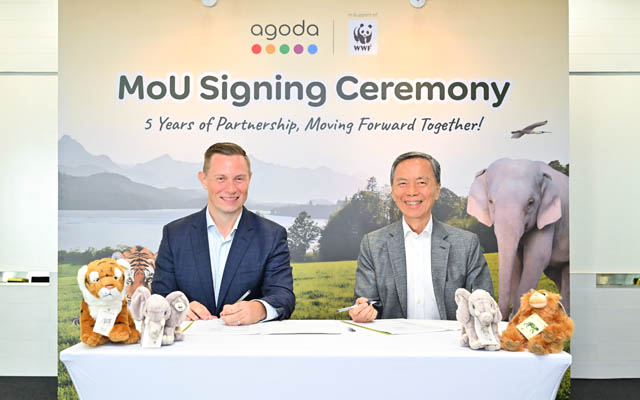
Hyatt Hotels Corporation and Homeinns Hotel Group have signed a strategic master franchise agreement to introduce Hyatt Studios hotels in China. The collaboration will expand Hyatt’s upper-midscale portfolio with its new extended-stay brand in one of the world’s most dynamic hospitality markets.

Hyatt and Homeinns will leverage their respective strengths to develop Hyatt Studios extended-stay hotels across key business and travel destinations in China. Under the agreement, Homeinns plans to open 50 Hyatt Studios hotels in the coming years and establish a pipeline for further growth.

Hyatt Studios will launch 50 extended-stay hotels across China through a master franchise agreement with Homeinns Hotel Group

Part of Hyatt’s Essentials portfolio, Hyatt Studios provides extended-stay accommodation with studio-style rooms, kitchenettes, and workspaces. The Essentials portfolio, which also includes Caption by Hyatt, Unscripted by Hyatt, Hyatt Place, Hyatt House, Hyatt Select, and UrCove, is designed for business and leisure travellers seeking consistent, contemporary amenities and practical spaces. In addition, the brand prioritises scalable development and efficient operations that can adapt to local market needs.

Hyatt Studios integrates with the World of Hyatt loyalty programme, which has grown by 27 per cent per year since 2017.

“This agreement with Homeinns Hotel Group builds on our strategic path, enabling us to bring Hyatt’s brand and operational standards into a growing segment,” said Stephen Ho, president – Greater China and growth, Asia Pacific, Hyatt.

“With Hyatt’s global expertise and Homeinns Hotel Group’s local market knowledge, we are confident this next chapter will deliver meaningful results for both guests and owners across China,” said David Sun, chairman & CEO of Homeinns Hotel Group.

The Warehouse Hotel elevates stays with local flair

0

The Warehouse Hotel has unveiled new guest offerings that blend personalised service with curated local experiences, including a concierge curation service, an exclusive wellness partnership with Hideaway by The Trapeze Group, and a new cocktail menu at The Warehouse Lobby Bar.

The concierge curation service connects guests with local insiders who tailor dining and travel recommendations based on personal preferences, offering access to both well-known attractions and hidden neighbourhood gems.

Discover personalised stays, exclusive wellness, and cocktails inspired by Singapore’s rich heritage at The Warehouse Hotel

Through its partnership with Hideaway, located nearby in New Bahru, guests can enjoy preferred rates on wellness experiences such as reflexology, infrared saunas, cold plunge therapy, and massage treatments – ideal for rest and recovery after travel.

At The Warehouse Lobby Bar, a newly launched cocktail menu pays homage to Singapore’s past, with each creation inspired by a different decade from the 1890s to the 2000s. Led by director of food and beverage Joseph Haywood, the team reimagines classic cocktails using local ingredients such as buah keluak, pandan, and jambu, capturing the area’s rich history in every glass.

The Warehouse Lobby Bar is open Sunday to Thursday from 11.00 to midnight, and until 01.00 on Fridays and Saturdays.

For more information, visit The Warehouse Hotel.

European DMCs tailor Europe tours for Indonesian Muslim travellers

0

European DMCs and tour operators attending the 42nd TTC Travel Mart in Jakarta are increasingly targeting Indonesia’s growing Muslim-friendly and faith-based tourism market.

Sutan Nicko, travel consultant head of Indoreisen UK, said the company is developing thematic programmes under Storynomic, Historinomic, and Panoramic Travel.

Tour operators and DMCs connect at TTC Travel Mart Jakarta to explore opportunities in Indonesia’s Muslim-friendly travel market; photo by Dhini Oktavianti

“The programmes integrate history, culture, and natural beauty into a meaningful experience,” he shared. “Our Islamic Heritage and Educational Tour includes visits to the London Central Mosque, Cambridge Mosque, and Birmingham’s oldest mosque, alongside historical insights on the co-existence between Islam and the British monarchy during the eras of Richard the Lionheart, Queen Victoria, and King George VI.”

“Our goal is to create religious programmes that open minds, not just pilgrimages. Travellers can learn about social history, education, and interfaith harmony in Europe,” he said, noting that the packages also aim to introduce children to Europe’s multicultural legacy. Indoreisen’s programmes cover the 27 EU countries and other European destinations.

Sureka Saravanan, sales and operations executive of My Trip Global (MTG), said the company focuses on European destinations and senior travellers, providing halal-certified meals, mosque visits, and Bahasa-speaking guides.

“We handle accommodation, meals, and transport directly since we have partnerships with local suppliers. We also have our own coach company, so our pricing remains competitive and affordable,” she said.

MTG covers all European territories, including Western and Eastern Europe, the UK, the Baltics, Switzerland, Italy, and Scandinavia.

Iwan Kip, general manager of Wens Europe, highlighted customisation and cultural sensitivity as key to serving the Indonesian market.

“We create custom-made group programmes, whether it’s for leisure, private tours, or corporate incentives. Once we agree on the details, we manage all bookings and ground operations directly in Europe,” he said.

Wens Europe works with halal-certified restaurants and Bahasa-speaking guides, and can include non-EU destinations such as Iceland or Kazakhstan. Although the company currently has no Indonesian office, it plans to establish one, seeing the market as a growth opportunity.

Iwan noted that while he had previously worked with major players like Dwidaya and Panorama, Wens Europe now sees strong growth potential among smaller, niche-focused agencies in Indonesia. The company plans to establish a local office, reflecting the market’s importance and its commitment to tailored experiences for Indonesian travellers.

India’s inbound tourism season off to a good start

0

As India’s peak inbound tourism season (October to March) gets underway, early signs indicate a promising year ahead for the sector with traditional source markets such as North America and the UK showing robust growth.

Industry stakeholders say international arrivals have picked up strongly driven by renewed travel confidence and demand for experiential and wellness travel.

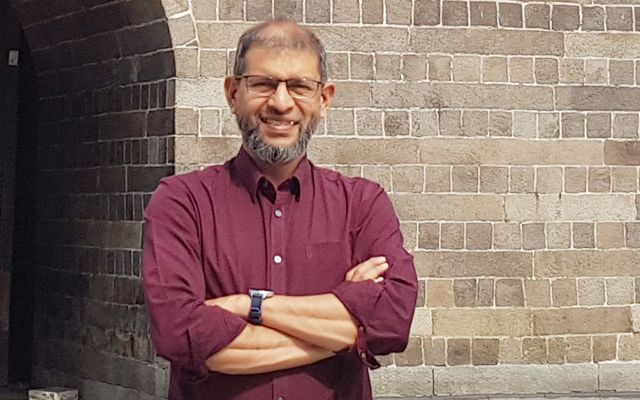
D’Souza: India is witnessing a good resurgence in international arrivals

“With the start of the inbound season, India is witnessing a good resurgence in international arrivals. We have seen a 25 per cent growth as compared to last year. Our source markets such as the UK, the US, Canada and the Middle East continue to perform robustly,” said Louis D’Souza, managing partner, Tamarind Global.

For most inbound operators, this period marks the most crucial half of the year, as it attracts leisure travellers especially from longhaul markets.

“Last year was the best inbound season for our company and we are hoping this season will perform even better. There were concerns because of geopolitical situations like the war in the Middle East but people are now confirming their bookings. After the UK, the US market has come up very strong for us,” shared Michael Dominic, managing director, CGH Earth.

Industry players note that the nature of demand is also evolving.

“The demand this year feels less about volume and more about meaningful experiences. Travellers are veering away from the usual circuits and exploring spiritual towns, wellness retreats and culturally rich destinations that offer depth and authenticity,” observed Neha Kapoor, general manager, Hyatt Place Gurgaon

According to D’Souza, while the Golden Triangle (Delhi-Agra-Jaipur) continues to be a staple for first-time visitors, newer patterns are emerging.

“Destinations such as Kerala, Rishikesh, Coorg and the Andaman Islands are gaining popularity among travellers seeking sustainability and mindfulness-based experiences. The numbers are also rising for adventure-led regions like Ladakh and the North East, while the luxury and slow travel segment continues to grow as high-value visitors opt for boutique stays, palace hotels, heritage walks and curated experiences over standard sightseeing,” he added.

However, not everyone in the industry is equally optimistic.

“Enquiries are just a trickle. India has become very expensive. However, the good news is the resumption of flights from China. Let’s hope there will be an influx of Chinese tourists,” said Lally Mathews, managing director, Divine Voyages.

Direct air connectivity between India and China is set to resume after more than five years with IndiGo launching a daily non-stop flight between Kolkata and Guangzhou starting October 26. The flights were suspended following border tensions between the two nations.