The Philippine government is positioning tourism as a core pillar of national development, aimed at driving inclusive economic growth through 2026 and beyond.
Verna Buensuceso, head of Philippine NTO and undersecretary at the Philippines Department of Tourism (DoT), detailed how the sector’s momentum is central to the nation’s broader development goals through a number of key initiatives.
In 2025, the Philippines recorded 6.5 million foreign visitors and returning overseas Filipinos, generating an estimated 694 billion pesos (US$11.8 billion) in tourism revenue.
To increase high-value spending and simplify entry, the government has introduced visa-free entry for Indian, Taiwanese, and Chinese nationals. Other reforms include cruise passenger visa waivers, e-visas for remote workers, and a VAT refund scheme for tourists that will be launched later this year.
Recognising air travel as the backbone of an archipelago, the strategy also involves opening more domestic routes, and longhaul connections to cities like Paris, San Francisco, and Brisbane. Domestically, expanded services are linking islands like Cebu to destinations such as Boracay to spread economic benefits across regions, Buensuceso stated.
Buensuceso also highlighted the success of the Philippine Experience Program, which utilises cultural heritage and arts caravans to showcase regional diversity. To date, the programme has completed caravans across 34 provinces, 33 cities, and 54 municipalities.
“The project was designed to be developed in close coordination with tour operators, including national and local operators, as well as online platforms. These efforts have successfully been translated into 66 tour packages,” she elaborated.
Furthermore, the government has institutionalised the Filipino Brand of Service Excellence, training over 412,000 workers to ensure a consistent, world-class standard of hospitality rooted in seven core Filipino values.
Buensuceso underscored the expansion of the Philippine tourism portfolio, which has diversified beyond traditional beach and dive tourism. This includes developing Muslim-friendly accommodation and halal-certified kitchens – the Philippines climbed to eighth spot in the 2025 Global Muslim Travel Index – and higher-spending segments such as golf tourism, and sports tourism.
To enhance the visitor experience, the DoT has established a 24/7 multilingual tourist assistance call centre, and is building approximately 100 Tourist Rest Areas nationwide to provide clean and secure spaces for travellers.
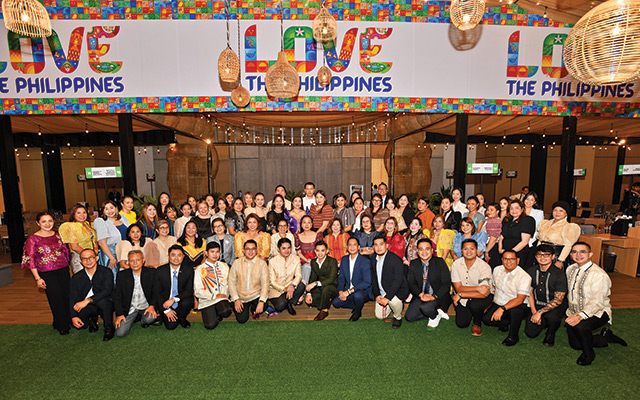
This national agenda is currently being showcased on the regional stage.
“Hosting the ASEAN Tourism Forum is a timely opportunity to demonstrate our country’s readiness to welcome travellers and partners from across the region,” said Maria Margarita Montemayor Nograles, chief operating officer, Tourism Promotions Board Philippines.
“Through this event, we ensure equal promotional opportunities reach communities across our country, an effort evident in our post-tours to destinations like Pampanga, Davao, and Palawan. This momentum will continue throughout the year as we host around 90 ASEAN dinner functions in Manila, Boracay, Cebu, Iloilo and other key destinations.”