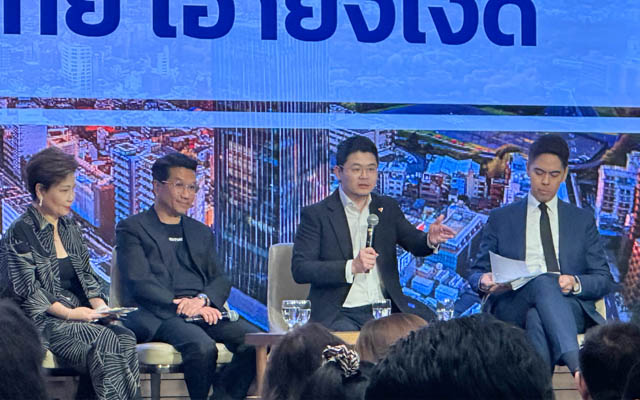
The Association of Thai Travel Agents (ATTA) and the Thai Hotels Association convened their 22nd joint meeting on January 14, 2026 to address a critical turning point for the nation’s tourism industry.
With the general election scheduled for February 8, 2026, representatives from three major political parties were invited to unveil their tourism manifestos.
Pheu Thai candidate, Surakiat Thienthong, focused on “soft power” and elevating Thailand to a “world-class destination” by attracting global events. The party aims to pivot toward wellness and quality tourism while developing infrastructure for secondary destinations to alleviate overtourism in major hubs.
Sittiphol Viboonthanakul, a People’s Party party-list MP candidate and member of the party’s economic team, took a hard-line stance on structural issues, highlighting that 70 per cent of tourism revenue currently clusters in just five main cities. His platform calls for an immediate crackdown on illegal nominee businesses and unregulated rentals. He argued for the creation of five to 10 new “man-made” destinations over the next decade to maintain competitiveness against rivals like Vietnam.
Meanwhile, Werapong Prapha, deputy leader of the Democrat Party, addressed the legal hurdles facing the industry and the urgent need for a more robust, unified disaster management system following recent environmental and health-related disruptions.
Thanapol Cheewarattanaporn, president of ATTA, highlighted that the association has faced challenges in securing the budget for essential international roadshows, adding that the allocated budgets are “very limited”.
Thanapol also called for a government-private sector think tank to ensure policy is driven by practitioners rather than bureaucrats.