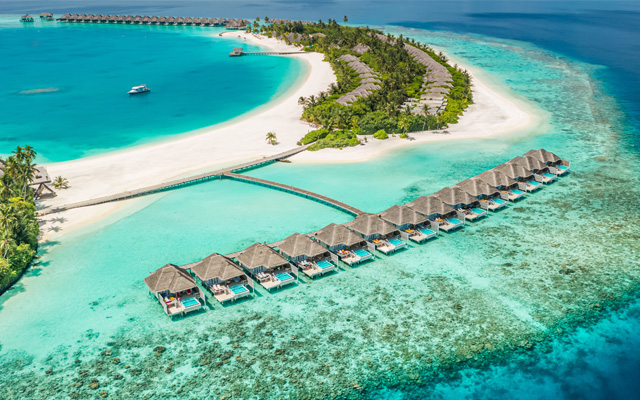
The Maldives is moving to diversify its tourism model with proposed amendments to the Special Economic Zones (SEZ) Act, introducing a new category of Sustainable Townships. These large-scale developments will integrate hospitality, residential real estate, healthcare, education, and renewable energy infrastructure to attract high-value, long-term investment and complement the traditional resort model.
The initiative aims to create opportunities in premium real estate tourism, wellness, and education while generating employment across multiple sectors.
For more than 50 years, tourism has been central to the Maldives’ economy. The SEZ reforms mark a move toward a new phase of development that links sustainability, innovation, and investment to support long-term growth and resilience. The shift beyond the resort model reflects a broader effort to diversify the economy and align with changing global demand for lifestyle, wellness, and integrated tourism experiences.
Only projects exceeding US$500 million will qualify, ensuring focus on high-impact developments. Developers will receive time-bound incentives, including a five per cent income tax rate for the first 10 years and 10 per cent for the following decade. A real estate transfer tax will start at one per cent for the first transaction, rising to four per cent by the third. Other taxes, including Green Tax, GST, and land lease rent, will remain applicable.
To qualify, projects must include education and healthcare facilities, renewable energy components, and food security initiatives. Linking incentives to these priorities ensures investments contribute to national goals such as sustainability, skills development, and energy transition.
The SEZ amendment also introduces a rules-based framework defining eligibility, investment thresholds, and project criteria to improve transparency and investor confidence while encouraging innovation and measurable socio-economic benefits.
Globally, tourism is shifting toward integrated, mixed-use developments that combine leisure, residency, wellness, and education. The Maldives’ Sustainable Township framework is designed to complement its resort industry, adding new revenue streams and strengthening market resilience.
Aligned with Vision 2040, the reforms support economic diversification, social development, and environmental sustainability. Integrated projects that meet these objectives will enhance infrastructure and build domestic capacity.