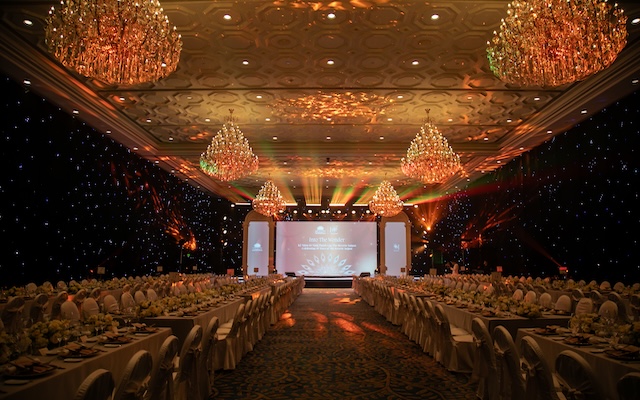
The Bali Provincial Government is intensifying efforts in addressing issues in waste and traffic management across the island, through the formation of task forces that will work together across sectors.
Sharing this move at the Bali and Beyond Travel Fair (BBTF) 2025 happening this week, Bali governor I Wayan Koster said the teams would “accelerate source-based waste management, and oversee the implementation of environmentally friendly technologies for processing both organic and non-organic waste”.

Additionally, producers in Bali will be banned from producing plastic bottled water of under one litre.
As for Bali’s infamous traffic congestion, Koster said working and school hours would be looked into while logistic vehicles would be prohibited from daytime operations. Furthermore, improvements would be made to public transportation; underpasses are being planned.
Despite these issues, Koster noted that international arrivals remain high, with numbers in 2024 reaching 6.4 million – surpassing the destination’s peak performance in 2019.
Since the start of 2025 and until May, international arrivals to Bali rose 11 per cent over the same period last year.
“Bali’s economy grows when tourism grows, because the sector contributes 66 per cent of Bali’s economy,” he remarked.
Speaking at the opening of BBTF 2025 on Wednesday, Indonesia minister of tourism, Widiyanti Putri Wardhana, said Bali functions as a strategic hub for travellers to explore the country. As a “crown jewel” of Indonesia, Bali’s tourism contributes 44 per cent to the national foreign exchange earnings.
The minister highlighted BBTF’s commitment to promoting travel to the greater Bali region, Jembrana, Buleleng and Banyuwangi, as well as enhancing the appeal of northern and western Bali and East Java while managing tourism density in South Bali.