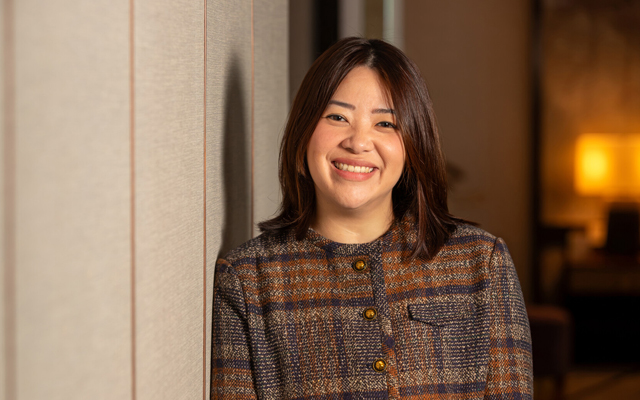
Marisa Ng has been appointed associate commercial director at Four Seasons Hotel Singapore.
She joins from Singapore Marriott Tang Plaza Hotel, where she served as director of sales and marketing.
Ng previously held the role of cluster director of sales for JW Marriott Singapore South Beach and The St Regis Singapore, bringing extensive experience in luxury hospitality sales and commercial strategy.
Agoda and the Singapore Tourism Board (STB) have extended their partnership with a new three-year memorandum of understanding (MoU) that expands collaboration beyond destination marketing to include data, technology and AI-driven travel initiatives.
The agreement builds on a partnership first established in 2022 and renewed in 2024, reflecting changing traveller behaviour and the growing role of digital tools in trip planning. Under the latest MoU, Agoda and STB will collaborate across four areas: joint marketing, data strategy and insights, thought leadership and innovation, and the exploration of AI-powered travel recommendations for visitors to Singapore.
Agoda and the Singapore Tourism Board have renewed their partnership for a further three years, expanding collaboration to include AI, data and technology initiatives alongside destination marketing
The partnership will also support capability-building initiatives for Singapore’s tourism industry in areas including data science, AI upskilling and experience development.
The renewed agreement follows a joint marketing campaign launched by Agoda and STB in May 2026 to stimulate demand for Singapore and capture growing interest in shorthaul regional travel. According to the partners, the campaign generated encouraging results across its target markets with support from Singapore hotel partners.
Melissa Ow, chief executive of STB, said: “The renewed collaboration presents the opportunity to tap on Agoda’s platform reach, traveller insights and technology capabilities to strengthen Singapore’s destination appeal in the digital space. The partnership also supports STB’s Tourism 2040 ambitions, with a mutual commitment to harness technology and raise industry capabilities for Singapore tourism.”
Omri Morgenshtern, CEO of Agoda, added: “We’re excited to bring our AI and analytics capabilities to this partnership, enabling STB to reach travellers more precisely while supporting the innovation priorities that benefit the entire Singapore tourism ecosystem.”
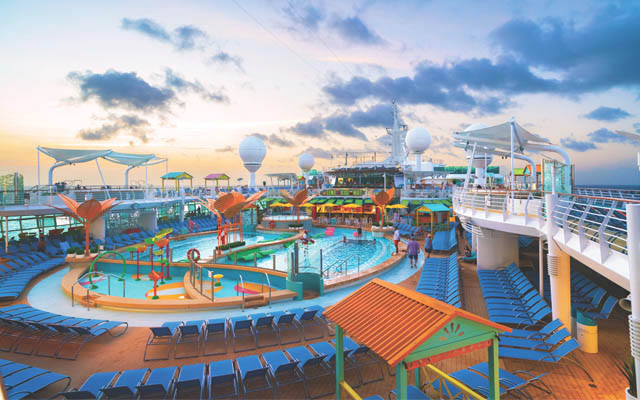
Royal Caribbean has confirmed Navigator of the Seas will remain in Singapore through October 2027, making the ship a year-round homeported vessel and expanding cruise options from the city-state.
Originally scheduled for a six-month season, Navigator of the Seas will now operate year-round from Singapore from October 2026, offering two- to five-night itineraries to destinations in Malaysia, Thailand and Vietnam, as well as a 12-night repositioning voyage from Tokyo to Singapore.
Navigator of the Seas will remain homeported in Singapore through October 2027, offering year-round cruises to destinations across South-east Asia
The extended deployment includes short cruises to Penang and Kuala Lumpur (Port Klang) in Malaysia, and Phuket in Thailand.
Royal Caribbean said the move builds on the ship’s inaugural Asia season and reflects growing demand for fly-cruise holidays from Singapore, which continues to strengthen its position as a regional cruise hub.
The cruise line also outlined its broader Asia-Pacific deployment for the 2027-2028 season. Voyager of the Seas will sail from Singapore, Hong Kong and Tokyo between January and April 2027, offering new itineraries across the region, including cruises timed to coincide with Japan’s cherry blossom season. Meanwhile, Ovation of the Seas and Anthem of the Seas will join Voyager of the Seas for Royal Caribbean’s largest Australian summer programme to date.
Bookings for Navigator of the Seas‘ extended Singapore season open on August 19, while Voyager of the Seas‘ Asia-Pacific itineraries go on sale on August 26.
Chitra Rajesh Kumar, director, cruise, Singapore Tourism Board, said: “Royal Caribbean’s decision to extend Navigator of the Seas from a six-month seasonal deployment to a year-round homeport, reflects their continued confidence in Singapore as a leading cruise hub in Asia.”
Ben Bouldin, president of Greater China and managing director Asia, Royal Caribbean, added: “From long weekend escapes to memorable family vacations, travellers can now enjoy a full year of adventures from one of Asia’s most ideal cruise gateways.”
Thailand remains the top Asian destination for European travellers this summer, according to Agoda accommodation search data, with Bangkok, Koh Samui and Pattaya all ranking among the region’s five most-searched destinations.
The findings, based on accommodation searches made between April and June 2026 for stays during July and August, show Thailand retained the top country ranking for a second consecutive year. Indonesia ranked second, followed by Japan, Vietnam and Malaysia.
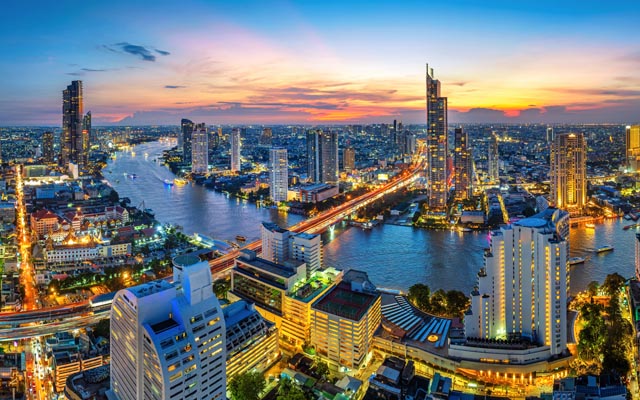
Bangkok remained the most-searched Asian destination by European travellers for summer 2026, according to Agoda accommodation search data
Among individual destinations, Bangkok remained the most-searched city, while Bali held second place. Koh Samui climbed from fourth to third, Tokyo ranked fourth, and Pattaya completed the top five.
Germany, France and the Netherlands remained the three largest European source markets searching for Thailand, followed by Spain and Italy.
Across Asia, India recorded the strongest year-on-year growth in European accommodation searches at 14%, followed by South Korea at 13% and Vietnam at 12%, indicating growing interest in destinations beyond the region’s traditional favourites.
Akaporn Rodkong, country director, Thailand and Indochina, Agoda, said: “Thailand holding the top spots for a second year, with similar origin markets and three cities across the top five, points to something deeper than a seasonal spike.
“European travellers have built Thailand into their annual routine. Having Bangkok, Koh Samui, and Pattaya all represented also shows the draw isn’t a single experience, it’s a country offering something different depending on what travellers are looking for.”
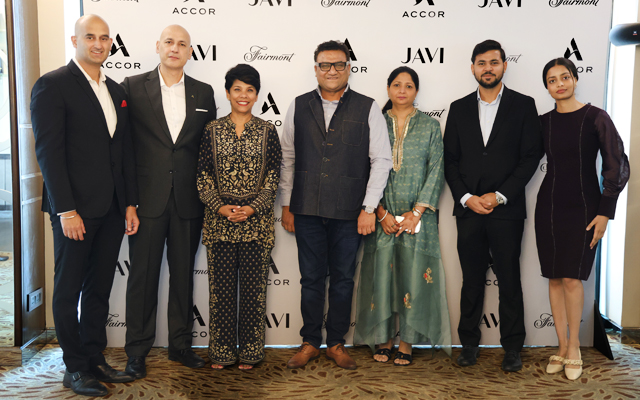
Accor is adding Fairmont Rishikesh, Himalayas to its luxury portfolio in India. The 220-key resort in Uttarakhand is scheduled to open in 2031.
Set across approximately 6.5ha in the Shivpuri Range of Rishikesh, the resort will feature 220 guestrooms, four dining venues, 3,000m² of event space, a spa, fitness centre, swimming pool, kids’ club and a range of leisure experiences.
Accor will bring the Fairmont brand to Rishikesh with a 220-key luxury resort opening in 2031
Located in the Himalayan foothills near the River Ganges, the resort will be designed to reflect the region’s natural landscape and cultural heritage.
Known as a centre for spirituality, yoga and wellness, Rishikesh has also seen growing demand for luxury leisure travel, staycations, adventure tourism, weddings and MICE events, supported by its accessibility from Delhi NCR and other key markets.
Fairmont Rishikesh, Himalayas will become the latest addition to Fairmont’s portfolio in India, joining Fairmont Jaipur, Fairmont Mumbai and Fairmont Udaipur, with additional projects planned in Shimla Fagu, Goa and Agra.
The project is being developed in partnership with Javi Home, marking the group’s entry into the hospitality sector.
Ranju Alex, CEO, Accor, South Asia, said the signing marks a significant milestone in the growth of the Fairmont brand in India. He added that the project reflects Accor’s commitment to expanding its premium portfolio in destinations offering authentic and meaningful travel experiences.
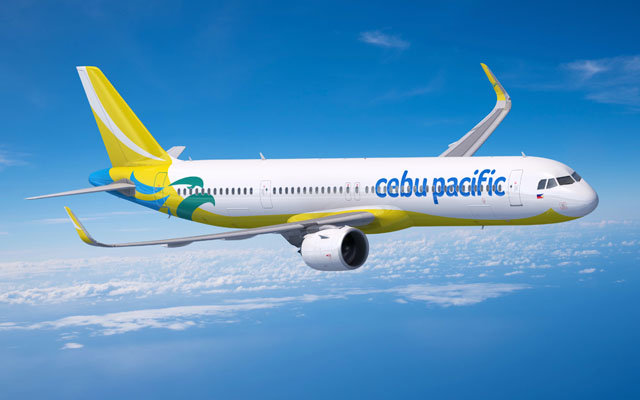
Cebu Pacific restores two Vietnam routes
Cebu Pacific will resume direct flights between Hanoi and Clark on November 20, 2026, and between Ho Chi Minh City and Cebu on October 26, 2026, strengthening air links between Vietnam and the Philippines.
The Hanoi-Clark service will operate three times a week on Wednesdays, Fridays and Sundays. Cebu Pacific said it will remain the only airline operating direct flights between Clark and Vietnam.
The Ho Chi Minh City-Cebu route will also operate three times weekly, with flights on Mondays, Wednesdays and Fridays.
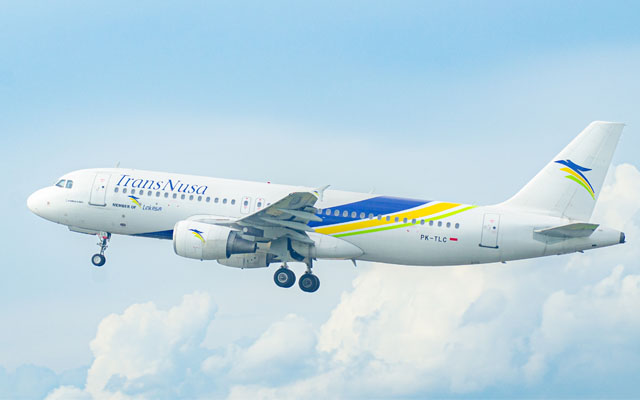
TransNusa; photo by Ejunk
TransNusa begins twice-daily Jakarta-Bangkok flights
TransNusa has commenced direct scheduled flights between Jakarta and Bangkok, operating the route twice daily from launch.
The new service links Soekarno-Hatta International Airport and Suvarnabhumi Airport using Airbus A320 aircraft, adding capacity on one of South-east Asia’s busiest city pairs.
The Jakarta-Bangkok route expands TransNusa’s international network, which also includes Kuala Lumpur, Singapore, Perth, Guangzhou and, more recently, Bali-Phuket.
Separately, the airline has signed a memorandum of understanding with the Tourism Authority of Thailand to promote tourism and strengthen air connectivity between Indonesia and Thailand. The partnership is expected to support demand on the Jakarta-Bangkok and Bali-Phuket routes through joint promotional initiatives.
Vietjet expands its Australian network with Western Sydney flights
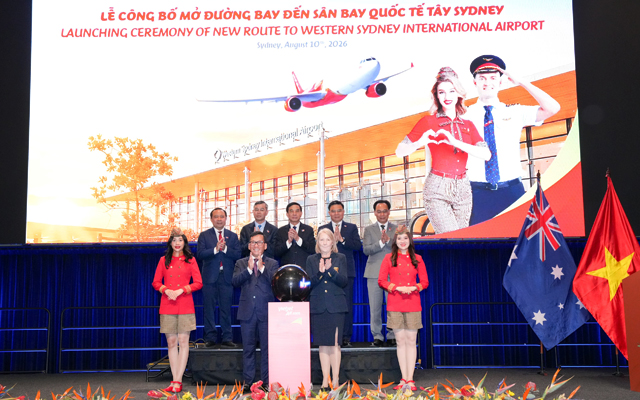
Vietjet launches Western Sydney route
Vietjet has introduced direct flights between Ho Chi Minh City and Western Sydney International Airport on January 9, 2027, becoming one of the first airlines to operate international services to Australia’s newest airport.
The route will operate twice weekly and expands Vietjet’s Australian network, which already includes Sydney, Melbourne, Brisbane and Perth.
The airline also exchanged a memorandum of understanding with Western Sydney International Airport to support stronger air connectivity between Vietnam and Australia, with a focus on tourism, trade, investment and business links.
The new service will connect Ho Chi Minh City with Western Sydney, supporting travel and cargo flows between the two countries while providing additional access to one of Australia’s fastest-growing regions.
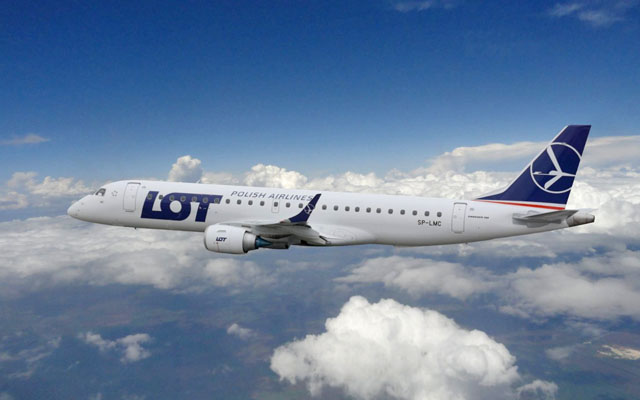
LOT Polish Airlines
LOT adds Hanoi to Asia network
LOT Polish Airlines has opened ticket sales for a new direct service between Warsaw and Hanoi, with the inaugural flight scheduled for March 31, 2027.
The year-round route will operate three times a week using a Boeing 787 Dreamliner.
Hanoi will become the fifth destination in LOT’s Asian longhaul network, joining Tokyo, Seoul, New Delhi and Bangkok.
The airline said the new service reflects growing demand for travel between Poland and Vietnam while expanding its Asian network and strengthening Warsaw’s role as a hub linking Central and Eastern Europe with Asia.
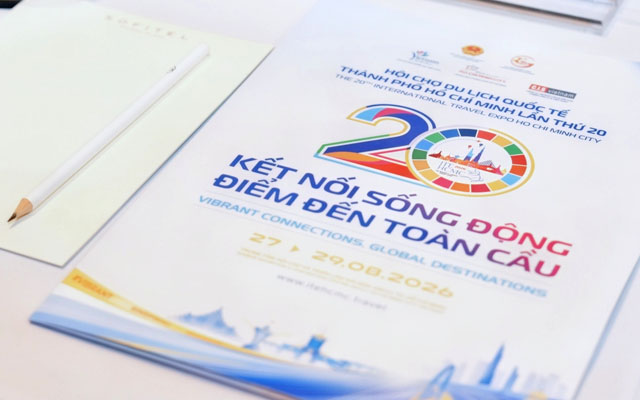
The Ho Chi Minh City International Travel Expo (ITE HCMC) 2026 will stage its largest edition since the event was established in 2005, marking its 20th anniversary with an expanded programme of business networking, industry forums and regional tourism meetings.
Taking place from August 27-29, 2026, at the Saigon Exhibition and Convention Center under the theme Vibrant Connections – Global Destinations, the expo is expected to host more than 520 exhibitors and brands, 260 international buyers and over 21,000 pre-scheduled business appointments.
ITE HCMC 2026 will bring together more than 520 exhibitors, 260 international buyers and over 21,000 pre-arranged business appointments for its largest edition to date
Organisers expect around 30,000 visitors, 600 international delegates and 60 international media representatives to attend. The hosted buyers programme, the only initiative of its kind in Vietnam, will welcome 260 buyers from more than 40 countries and territories, representing companies including Tui Group, Dertour, Flight Centre Travel Group, American Express Global Business Travel, Trip.com Group and Luxury Escapes.
Beyond business meetings, the programme will include three tourism ministers’ meetings under the CLV, ACMECS and CLMV cooperation frameworks, reinforcing the event’s role as a platform for regional tourism collaboration.
Industry forums will focus on topics including MICE, destination branding, AI, medical tourism and travel technology, with participation from organisations such as UN Tourism, PATA, the Global Sustainable Tourism Council, Google, Mastercard and EuroCham.
The exhibition will also be open to consumers from the afternoon of August 27, featuring destination showcases, cultural performances, tourism promotions and travel offers.
Pham Huy Binh, director of the Ho Chi Minh City Department of Tourism, said the 20th edition reflects the expo’s growth in scale, quality and international standing, while highlighting the effectiveness of public-private partnerships in strengthening tourism development and positioning the event as a platform that benefits both the travel industry and the wider community.
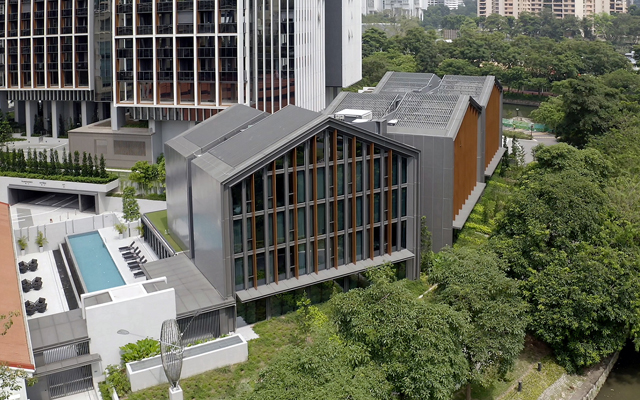
Pullman Kuching has completed the first phase of a major refurbishment, with upgrades to its lobby, ground-floor public areas, restaurants, fitness centre and 161 guestrooms now open to guests.
The hotel has begun the final phase of the project, which will see the remaining guestrooms, suites and Executive Lounge refurbished. The full renovation is scheduled for completion by mid-2027.
Song expects AirBorneo to strengthen regional connectivity, making Kuching more accessible for both leisure and business events travellers
General manager Sunardi Song said the phased approach has allowed the hotel to continue welcoming guests while minimising disruption.
He said: “We are delivering the remaining work in phases to protect safety and service continuity, while allowing guests to continue enjoying the completed guestrooms, restaurants and event spaces with minimal disruption.”
Song added that the upgraded facilities and refreshed guestrooms have strengthened the hotel’s market positioning, with positive early response to both the new rooms and revised pricing.
“We have seen encouraging momentum across corporate, government, association, leisure and social segments,” he said.
The hotel is also recording stronger demand from Singapore, Indonesia, Brunei, China, Australia and several European markets.
Looking ahead, Song expects AirBorneo to strengthen regional connectivity by improving access from shorthaul markets, supporting both leisure and business events travel to Kuching.
Pullman Kuching is also working with Sarawak’s tourism stakeholders on destination marketing, industry engagement and selected sales initiatives.
Song said these partnerships help broaden buyer awareness, build confidence in Kuching and keep the hotel visible beyond individual room, event and dining campaigns.
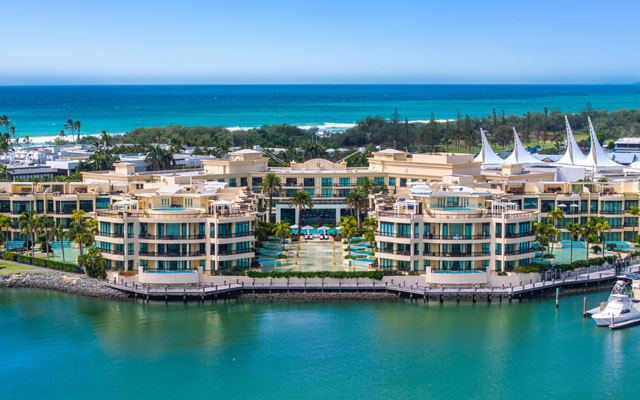
Hilton will introduce its luxury LXR Hotels & Resorts brand to Australia in early 2027, following the signing of a Gold Coast hotel that is currently operating as The Imperial Hotel.
Formerly known as Palazzo Versace, the 200-room property will undergo refurbishment before reopening under the LXR brand. Located on the Gold Coast Broadwater, the hotel offers direct waterfront access and is close to Marina Mirage and other key attractions.
The former Palazzo Versace will reopen as Australia’s first LXR Hotels & Resorts property in early 2027
The signing marks the Australian debut of LXR Hotels & Resorts, Hilton’s collection of independent luxury hotels. Each property is designed to reflect the character and heritage of its destination through bespoke service, distinctive design and locally inspired experiences.
Globally, LXR Hotels & Resorts has 36 operating and pipeline properties. The brand recently expanded into France with Sax Paris and opened Cameo Beverly Hills in the US. Additional openings are planned in destinations including Niseko, Phuket, Danang and India.
The Gold Coast property is owned by Islander Hotel Trading, which is partnering with Hilton on the refurbishment. The hotel will join Hilton’s growing collection brands in Australia alongside Curio Collection by Hilton and Tapestry Collection by Hilton, strengthening the group’s luxury and lifestyle portfolio in the country.
Tushar Raniga, director of development, Australasia, Hilton, said: “The Gold Coast provides an ideal setting for LXR’s distinctive approach to luxury, where place, design and experience are deeply connected. The property holds one of the most alluring positions along the city’s main coastal corridors and will introduce the independent spirit of LXR to the Australian market.”


 Ng previously held the role of cluster director of sales for JW Marriott Singapore South Beach and The St Regis Singapore, bringing extensive experience in luxury hospitality sales and commercial strategy.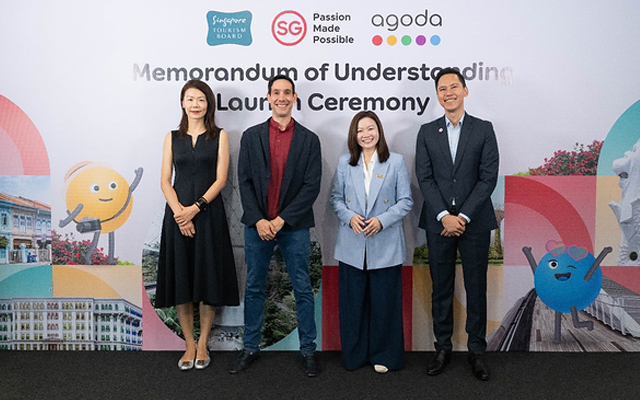
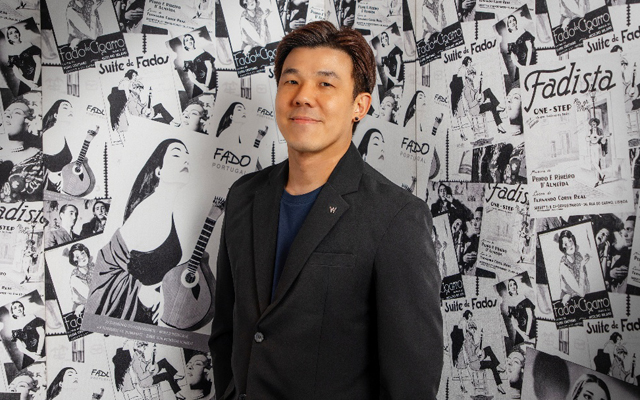
 Most recently, King served as hotel manager at W Hong Kong, having joined the property in 2021 as director of sales and marketing.