How are Asia-Pacific travellers changing, and what trends stand out most today?
Travellers across Asia-Pacific are becoming much more intentional about how they travel. Despite economic uncertainty and geopolitical developments, we’re not seeing people travel less. Instead, they’re planning more carefully, making practical choices and focusing on experiences that have personal meaning.
Our latest Visa’s 2026 Global Travel Intentions study shows that 63 per cent of travellers choose destinations within Asia-Pacific, drawn by familiarity, convenience and confidence. Increasingly, travel is being shaped by passion rather than simply the desire to take a holiday. Around two-thirds of respondents intend to travel for global concert tours, while more than half are interested in travelling for major sporting events. Another 37 per cent are motivated by authentic local experiences, whether that’s food, culture or heritage.
We’re also seeing travellers strike a balance between planning and spontaneity. While 79 per cent secure their accommodation before departure, many prefer to decide on dining, local transport and activities once they’re at the destination. They want the reassurance of having the essentials in place, but they also want the freedom to discover experiences along the way.
This tells us that travellers today are looking for journeys that feel personal rather than prescriptive, creating new opportunities for destinations to engage them throughout the entire travel experience.
How should destinations and travel businesses respond to these changing expectations?
The biggest shift is that digital readiness is no longer a competitive advantage; it’s becoming a basic expectation.
Almost all travellers in our study researched their trips online, while nearly half already use AI-powered tools during the planning process. That means destinations need to ensure they’re easy to discover wherever travellers are looking for inspiration, while providing accurate, relevant and engaging information throughout the customer journey.
Just as importantly, destinations need to understand what motivates people to travel. Consumers are increasingly choosing places that reflect their interests, whether that’s music, sport, gastronomy, wellness or local culture. Those that can package authentic experiences around these passion points, and make them simple to discover and book, will be better positioned to win travellers’ attention.
Technology certainly enables better travel experiences, but it’s the combination of digital convenience and meaningful local experiences that will set successful destinations apart.
One of the key Asia-Pacific findings of the Visa’s 2026 Global Travel Intentions study is that travellers increasingly research payment-related issues before departure, from security and card acceptance to exchange rates and transaction fees. What implications does this have for destinations and travel businesses seeking to build traveller confidence?
Digital payments are second nature to Asia-Pacific travellers. They expect the entire travel journey, from booking flights and hotels to paying for transport, shopping and dining at their destination, to be effortless.
As travellers become more practical and intentional, payment acceptance and security are no longer simply operational considerations; they have become part of the destination experience. In fact, our research found that nearly one in three Asia-Pacific travellers proactively researches payment information before travelling. Payment security is their biggest concern, cited by 33 per cent of respondents, while 27 per cent look at card acceptance, highlighting how important trust and convenience have become when choosing where to travel.
For destination marketers, this means travellers are evaluating not only the quality of attractions but also how seamless everyday spending will be once they arrive. Destinations that communicate secure, reliable and widely accepted payment options across transport networks, retail outlets and visitor attractions will be better positioned to build confidence and attract visitors. Removing friction from payments ultimately makes the overall travel experience more enjoyable and encourages visitors to spend with greater confidence.
Another finding is that nearly half of Asia-Pacific travellers are now using AI tools to find travel destinations and ideas. In your opinion, what should travel brands do to remain visible and relevant in this changing landscape?
AI is rapidly becoming the new front door for travel discovery. It will soon no longer be enough for brands and destinations to appear in traditional search results. As AI increasingly researches, recommends and eventually books travel on behalf of consumers, brands also need to be discoverable and readable by AI agents.
This shift is already well underway. Nearly half of Asia-Pacific travellers are using AI tools to discover destinations and generate travel ideas. AI is also influencing later stages of the decision-making journey, with 41 per cent using it to access reviews and recommendations, while 35 per cent rely on AI to search for tours and experiences. This demonstrates that AI is no longer just an inspiration tool; it is becoming a trusted travel planning companion.
To remain competitive, travel brands should ensure their content is clear, credible and well-structured so AI platforms can easily understand and recommend it. They also need to communicate what differentiates them, whether that’s pricing, accessibility or unique local experiences that cannot be found elsewhere. Collaborating with trusted travel platforms and partners will become increasingly important, as AI systems are more likely to prioritise reliable and authoritative sources when making recommendations.
This remains a new frontier for the travel industry, and organisations will adapt at different speeds. At Visa, we are supporting our clients and partners through AI advisory services that help them evolve from traditional search engine optimisation towards AI discoverability, enabling them to remain visible as traveller behaviour continues to evolve.
The Visa-Trip.com collaboration was launched to bring together travel discovery, personalised offers and seamless payments. How do you see this creating value for travellers, travel businesses and destinations across Asia-Pacific?
Our collaboration with Trip.com Group brings together two complementary strengths: trusted digital payments and one-stop travel discovery built around travellers’ passions and interests. Together, we are creating a more connected travel journey that links inspiration, personalised offers and seamless payments from the moment travellers begin planning until they arrive at their destination.
Trip.com Group has become a global Anchor Partner for Visa Destinations, our new experience-led programme that connects Visa cardholders with curated experiences inspired by local culture and authentic destination insights. Through this integration, travellers using the Trip.com Group ecosystem will be able to discover experiences that better reflect their interests, while Visa Infinite cardholders will enjoy exclusive Trip.com Group offers alongside access to Visa’s portfolio of sports, music and lifestyle partnerships.
The collaboration also reflects how traveller expectations are evolving. Consumers increasingly want discovery, booking and payments to work together seamlessly rather than as separate parts of the journey. By combining Trip.com Group’s travel ecosystem with Visa’s trusted global payment network, we can help travellers move more confidently across borders while creating new opportunities for destinations and travel businesses to reach high-value travellers through personalised experiences and offers.
Ultimately, we see this as benefiting the entire travel ecosystem by making travel more convenient, more rewarding and more relevant to today’s experience-driven traveller.
In a flurry of luxury destination branding, Switzerland Tourism (ST) is opting for understated and meaningful promises over loud declarations with its new Swiss Silent Luxury positioning.
The concept was unveiled at ILTM Asia Pacific as ST looks to strengthen its appeal among affluent travellers seeking privacy, authenticity and meaningful experiences.
Pascal shares that Swiss Silent Luxury is built on three pillars: alpine nature, discretion and privacy, and excellence in service and craftsmanship
Pascal Prinz, director of the global luxury market at ST, said the Swiss approach to luxury “is not about bling bling or bla bla”. Instead, it offers “peace of mind” and lasting perfection.
“And that is exactly what the most discerning travellers in Asia-Pacific are now seeking,” said Prinz.
Swiss Silent Luxury follows the establishment of ST’s dedicated Global Luxury Market last year to strengthen Switzerland’s position as a leading luxury destination.
The concept is a deliberate counter-positioning that underscores authenticity, discretion, alpine nature and exceptional quality. While much of the luxury market competes on scale, spectacle and status symbols, Switzerland offers something rarer: nature without crowds, service without theatre, and craftsmanship without noise.
“We know what we do best: we take pride in treating our guests very well,” he remarked.
Prinz outlined three pillars of Swiss Silent Luxury.
“One, alpine nature that offers year-round landscapes as well as adventure and stillness without the crowds. Whoever is tired and exhausted from the noise of the big city (are welcome). Here, we give you release. As you enjoy our nature, you will feel younger and you will look better.
“Two, discretion and privacy. This is understated hospitality where exceptional quality speaks for itself, free from intrusion or performance. When celebrities and famous people come to Switzerland, they know we will treat them with the same love and care as we do to everybody else. We let them be themselves.
“Three, excellence in service and craft, where quiet precision, generational expertise and timeless reliability define Swiss hospitality at its best. We know that the chocolate has to be good, the wine has to be good, and the cheese has to be good.”
To support the strategy in Asia-Pacific, ST will host the Luxury Embassy Asia Roadshow from July 5 to 10 in Bangkok, Beijing and Delhi. The programme includes VIP receptions at Swiss embassy residences and travel trade workshops.
The Swiss Silent Luxury concept will also feature at the next Switzerland Travel Mart Luxury in St Moritz from March 22 to 24, 2027.
The initiative supports ST’s Travel Better strategy, which promotes Swisstainable tourism, longer stays, deeper exploration and year-round travel.
Prinz said luxury travellers contribute to year-round tourism and help improve visitor distribution, as they tend to avoid crowded destinations in favour of quieter regions. They also stay longer and are more likely to seek local and sustainable products and experiences.
He added that Swiss Silent Luxury will support Switzerland’s goal of achieving higher-value tourism growth with fewer visitors.
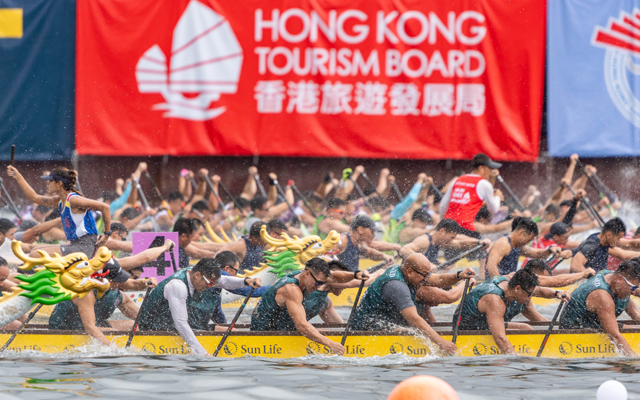
The Sun Life Hong Kong International Dragon Boat Races celebrated its 50th anniversary with a 13-day carnival along the Tsim Sha Tsui Promenade from June 19 to July 1.
Organised by the Hong Kong Tourism Board, co-organised by the Hong Kong China Dragon Boat Association and title-sponsored by Sun Life, the event combined racing with a programme of harbourside entertainment, including a Dragon Boat Food Lane, Beer Garden, intangible cultural heritage workshops and themed photo spots.
Victoria Harbour came alive as dragon boat teams competed in Hong Kong’s flagship racing event; photo by Hong Kong Tourism Board
The celebrations culminated on June 27 and 28, when more than 4,500 paddlers from 220 teams across 16 countries and regions competed in 21 races along Victoria Harbour.
The popular Fancy Dress Competition also returned, with teams taking to the water in colourful costumes that showcased creativity, humour and team spirit.
The annual event is one of Hong Kong’s flagship sporting and tourism attractions, drawing local spectators and international visitors to the city’s waterfront.
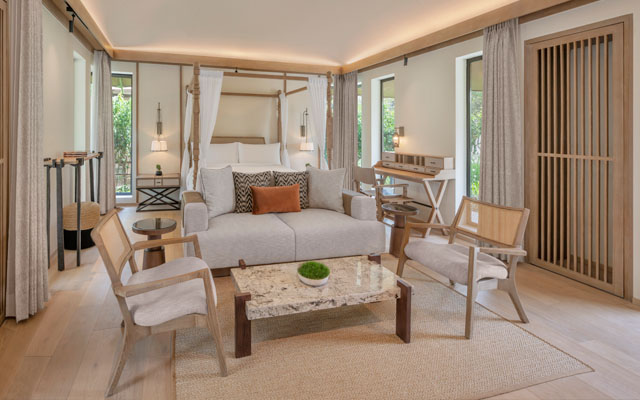
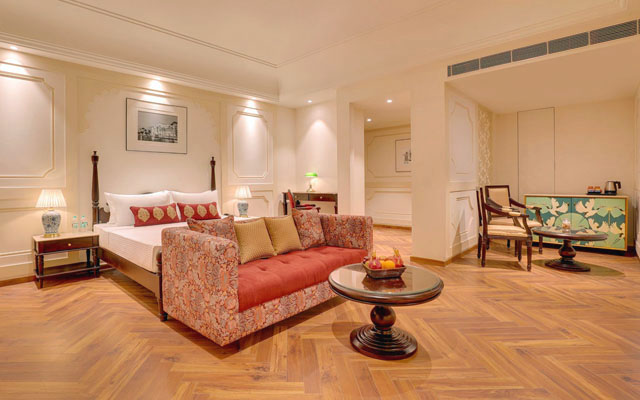
JW Marriott Ranthambore Resort & Spa, India
JW Marriott Ranthambore Resort & Spa is a 127-room property located a short drive from Ranthambore National Park in Rajasthan. Accommodation includes guestrooms, suites and private villas.
The resort features multiple dining venues serving Indian, regional and international cuisine, alongside locally inspired botanical cocktails. Guests can also enjoy a spa and nature-based experiences in the surrounding area.
The property provides access to Ranthambore National Park, one of India’s best-known wildlife reserves and a popular destination for tiger safaris.
lyf Chinatown Singapore
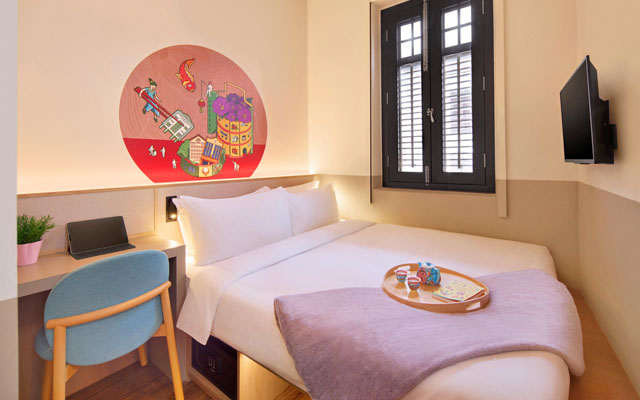
lyf Chinatown Singapore, Singapore
lyf Chinatown Singapore is a 90-unit co-living property located on Mosque Street in the heart of Chinatown. Accommodation ranges from rooms for solo travellers to larger units for groups of up to six, with interiors incorporating design elements inspired by the neighbourhood’s heritage.
Facilities include a social kitchen, coworking space, rooftop swimming pool, gym and communal laundry. The property also offers regular activities such as guided neighbourhood walks, tea appreciation sessions and traditional games.
Located within Singapore’s Chinatown precinct, the property is within walking distance of heritage shophouses, temples, local eateries and nearby districts including Kampong Glam.
Lemon Tree Hotel, Sri Ganganagar
Lemon Tree Hotel, Sri Ganganagar, India
Lemon Tree Hotel, Sri Ganganagar is a 68-room property located in northern Rajasthan, marking the brand’s debut in the city. Accommodation includes guestrooms and suites designed for business and leisure travellers.
Facilities include the all-day Citrus Café, Slounge terrace bar, a spa, swimming pool, fitness centre, meeting and banquet spaces, and landscaped lawns for events.
The hotel is approximately 8km from Sri Ganganagar Junction railway station and 122km from Bathinda Airport. Nearby attractions include Balaji Dham, Gauri Shankar Temple, Budha Johad Gurudwara and the Hindu Malkot border.
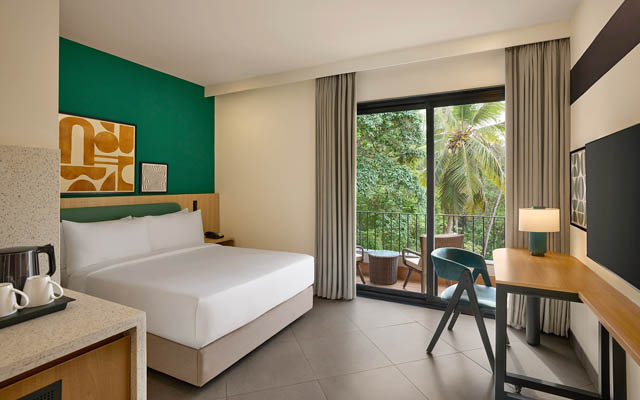
Spark by Hilton Goa Calangute
Spark by Hilton Goa Calangute, India
Spark by Hilton Goa Calangute is a 64-room hotel located in Calangute, bringing the Spark by Hilton brand to Goa.
Guests have access to complimentary breakfast, including a DIY dosa station, as well as regional touches such as self-service chai carts. Other facilities include a gym, in-room dining in selected rooms, and vending machines stocked with travel essentials. Digital check-in, Digital Key and the Hilton Honors app are also available.
The hotel provides convenient access to Calangute Beach and other attractions along Goa’s north coast, making it a base for exploring the region’s beaches, dining and nightlife.
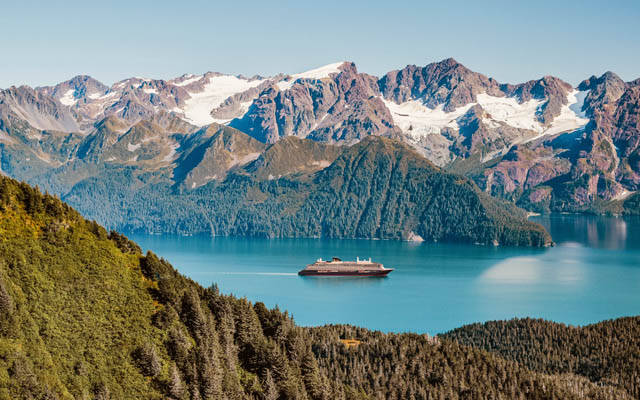
Explora Journeys will debut in Alaska in 2027 with Explora III operating voyages across the region from May to September.
The inaugural programme combines visits to Alaska’s glaciers, wildlife habitats and coastal communities with a range of small-group shore experiences led by local experts.
Explora III will make its Alaska debut in 2027, offering voyages that combine glacier landscapes, wildlife encounters and cultural experiences across the region
Highlights include helicopter excursions over the Juneau Icefield and Mendenhall Glacier, catamaran trips to Hubbard Glacier, wildlife encounters in Tongass National Forest, whale-watching experiences near Prince Rupert, and cultural programmes hosted by the Kitsumkalum community in the Great Bear Rainforest.
Other excursions include journeys along the Stikine River, coastal cruises from Seward and a heritage rail trip to White Pass Summit from Skagway.
The sailings are designed to showcase both Alaska’s natural landscapes and the communities shaped by the region’s maritime and cultural heritage.
Following its launch in July 2026, Explora III will become the first Explora Journeys ship to operate in Alaska. The vessel features 461 oceanfront suites, penthouses and residences, alongside new dining venues including Chef’s Table, Shore Club and The Cellar.
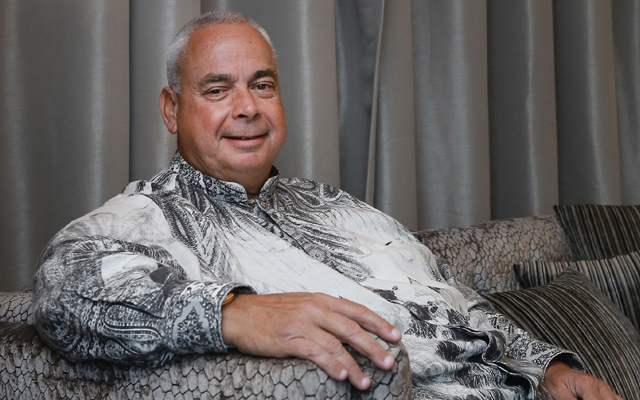
Charles Brookfield, founder and chairman of Archipelago Hotels, has died in Bali at the age of 73.
Brookfield founded Aston International in 1997 during the Asian Financial Crisis, believing in the long-term potential of Indonesia’s hospitality industry. The company was rebranded as Archipelago Hotels in 2020 and has since grown into South-east Asia’s largest privately owned hotel management company.
John Flood, CEO of Archipelago Hotels, said: “Pak Charley (as he popularly known) was an exceptional leader whose vision, integrity, and genuine care for people helped shape Archipelago and all of us who had the privilege of working with him. His leadership extended far beyond business. He had a rare gift for seeing potential in others and giving them the confidence to achieve more than they thought possible. While his legacy will continue to guide us, his greatest impact lives on in the people he inspired. As long as we strive to live by his values, a part of him will always walk beside us. May he rest in eternal peace.”
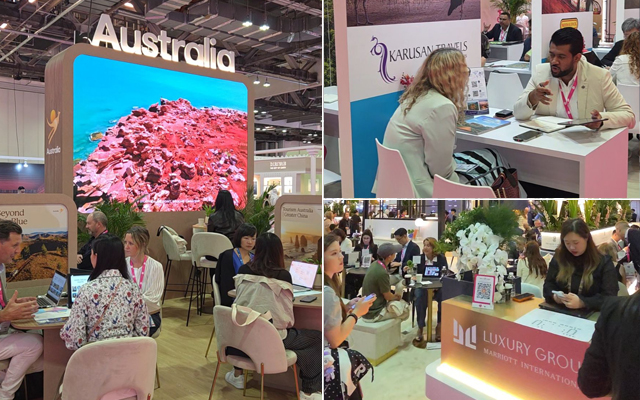
Affluent travellers are showing a bigger appetite for destinations and experiences that are new and inaccessible to most, creating new opportunities for luxury travel advisors to establish their reputation as expert purveyors of bespoke journeys while motivating luxury travel suppliers to stand out with new products in refreshing locations.
Annie Jatnipis, regional director – Asia with Travelbullz, said affluent travellers are now heavily influenced by opinion leaders on social media.
Luxury travel suppliers and advisors meet at ILTM Asia Pacific to explore emerging destinations, new products and bespoke travel experiences
“If a respected travel influencer says this is a hidden gem, our affluent clients will want to be there too. If our clients discover an image or video of a destination few have heard of, they will want to be there right away. Ultimately, affluent travellers want the bragging rights of being at a place or engaging in an experience that few other travellers have access to,” Jatnipis told TTG Asia.
While social media influencers have persuasive power, Jatnipis said travel advisors have the expertise to turn travel dreams into a real journey.
“Travel advisors like us will have to change the way we connect with customers. We have gone onto social media channels to be seen as travel influencers ourselves, and are studying the marketplace more, such as through events like ILTM Asia Pacific, to pick out new and interesting products that we can recommend to our guests,” she added.
Simon Cordeiro, a luxury travel advisor and cruise specialist based in Adelaide, Australia, has also witnessed a stronger lure of new and lesser-known destination experiences.
As high-net-worth Australian clients “place a lot of trust in their travel advisors, and most would simply rely on my recommendations”, Cordeiro said it is crucial that he is aware of and has access to “interesting options”.
Tailormade journeys are now one of Abercrombie & Kent’s fastest-growing segments, driven by demand for personalised, experience-led travel, shared vice-president of marketing Michelle Mickan during a press briefing at ILTM Asia Pacific 2026. To better serve guests exploring all corners of the world, the company is expanding its network of destination offices.
“We cover all seven continents with bespoke adventures, intimate small-group journeys, private jet adventures – anything you can think of. We are operating in over 100 countries around the world with 70 offices, with recent openings in Scandinavia, South Korea, Bolivia, Indonesia and Costa Rica. We have plans to open more,” said Mickan.
She added affluent explorers are now drawn to Africa’s Botswana and Kenya, Egypt, China, Japan, India, Peru, Italy and Scandinavia, while Sri Lanka, South Korea, Costa Rica, Patagonia, Namibia, Uzbekistan, Armenia and Georgia are fast gaining attention. Abercrombie & Kent is ready to cater to travellers who want to go further and deeper, with new itineraries for all up and coming destinations.
For many affluent travellers, Asia-Pacific is a region of interest.
Jatnipis pointed out that many parts of the region are still unexplored.
“There are also many new hotel openings and fresh renovations in Asia-Pacific, even in familiar destinations. This region always offers something interesting for new travellers as well as repeat guests,” she said.
Good examples, according to Jatnipis, are the JW Marriott Jeju Resort & Spa, which she found to have stunning architecture and the promise of privacy, as well as Niccolo-branded hotels in Chongqing and Chengdu, China, both of which “are so trendy and suited for multi-generational travel”.
Anna Nash, president of Explora Journeys, an all-inclusive luxury ocean travel specialist, said clients around the world had pressed for itineraries in Asia-Pacific, leading the company to launch its Asian deployment for 2027-2028. Travellers can look forward to itineraries with longer port stays and multiple overnight calls in gateway cities such as Tokyo, Osaka, Shanghai and Ho Chi Minh City for a more relaxed pace of travel.
“There’s something magical about sailing into some of these Asian ports – there is a real sense of maritime history and drama, and it beats arriving through a big airport,” Nash told TTG Asia.
She noted that clients based in Asia-Pacific are keen to cruise in their region too, after having travelled with Explora Journeys in the Mediterranean.
Fiza Han, managing director, APAC sales at Leading Hotels of the World (LHW), agrees that Asia-Pacific is “considered a land of mystery for many foreigners”, especially China and India, which are both rich in history and culture, with many destinations in both countries being “still new” to international tourists.
“There was a time when travel buyers would come to us and be keen on meeting hoteliers from the big cities of New York and Paris. Now, they want to connect with hoteliers from niche destinations so that they can get information on authentic activities and experiences that cannot be easily found online,” she said.
With LHW’s hotel inventory being 60 per cent resorts and 40 per cent city hotels, in both established and emerging destinations, Han believes that her group is well positioned to support travel advisors who have to curate off-the-beaten-track journeys.
Some of the latest additions to its global portfolio include the 25-key Nihi Rote & Hospitality Academy on a secluded corner of Rote Island in West Timor; the 100-room Espacio Nagoya Castle that faces the moat of historic Nagoya Castle; and the 148-suite Anantara Koh Yao Yai Resort & Villas, with a secluded island setting.


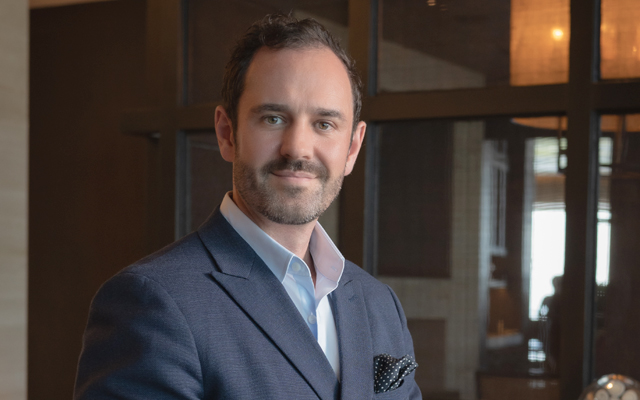
 Previously, he served as general manager of Conrad Dublin after holding senior leadership roles at Conrad Seoul, Hilton Beijing and Hilton Belfast.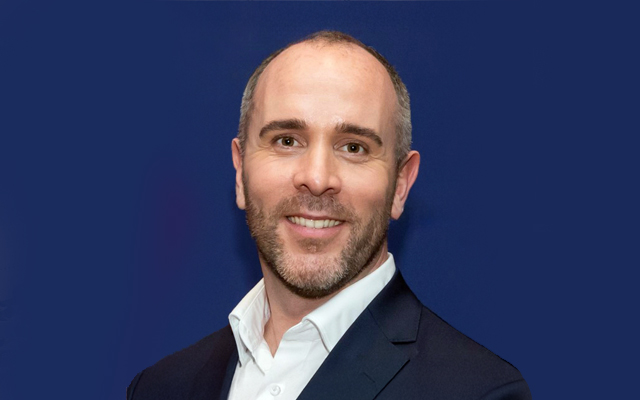
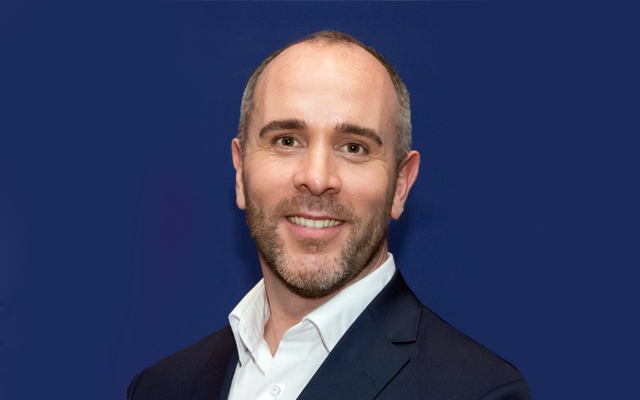 He joins from Breitling Oceania, where he most recently served as managing director. Previously, he was the company’s marketing director.
 How are Asia-Pacific travellers changing, and what trends stand out most today?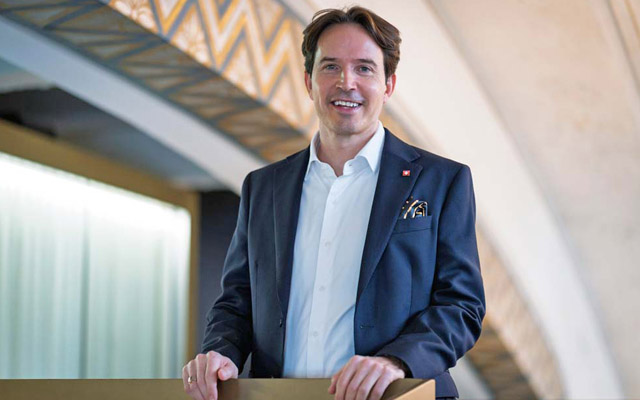
 John Flood, CEO of Archipelago Hotels, said: “Pak Charley (as he popularly known) was an exceptional leader whose vision, integrity, and genuine care for people helped shape Archipelago and all of us who had the privilege of working with him. His leadership extended far beyond business. He had a rare gift for seeing potential in others and giving them the confidence to achieve more than they thought possible. While his legacy will continue to guide us, his greatest impact lives on in the people he inspired. As long as we strive to live by his values, a part of him will always walk beside us. May he rest in eternal peace.”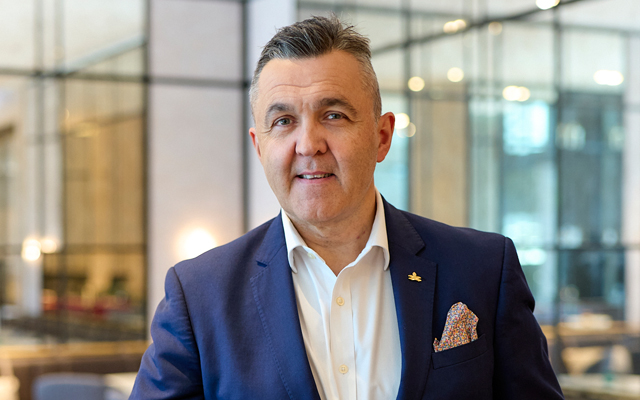
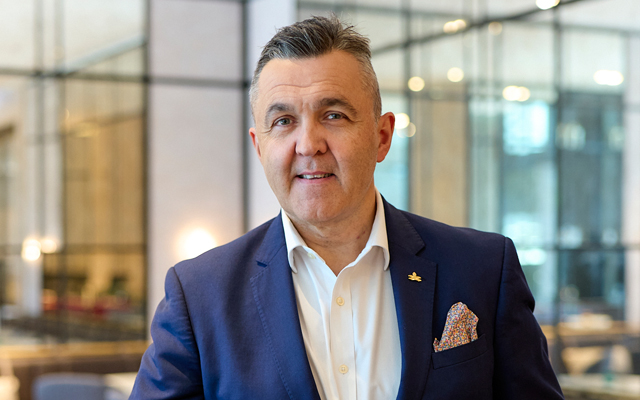 In his expanded position, he will also lead the pre-opening of Dorsett Perth and Dorsett Brisbane.