Hilton has joined the Hidden Disabilities Sunflower network in Singapore, a programme designed to support individuals with non-visible disabilities.
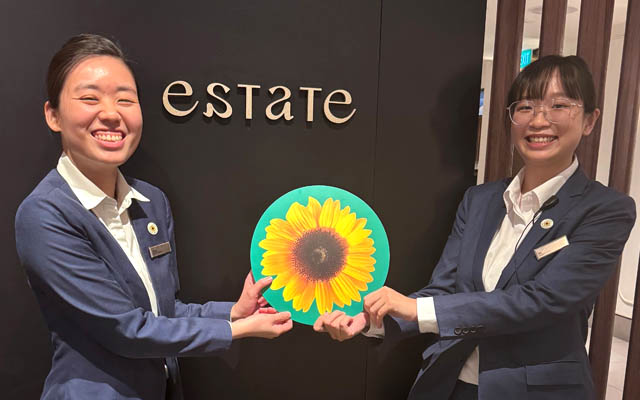
All four Hilton properties in Singapore – Conrad Singapore Marina Bay, Conrad Singapore Orchard, Hilton Singapore Orchard and Hilton Garden Inn Singapore Serangoon – are now part of the network. Team members at these hotels have completed training to recognise the Sunflower symbol and provide support to guests who may require additional assistance.
The Sunflower symbol, typically worn as a lanyard or badge, indicates that a person may have a non-visible disability, such as autism, chronic pain or sensory sensitivities. Guests may also carry a card outlining their needs to help staff provide appropriate support.
As part of the programme, some hotel staff may wear Sunflower pins to indicate they have received training and can assist guests who identify with the symbol.
Hilton said the initiative is part of its broader approach to accessibility and inclusivity across its operations.
“At Hilton, our hospitality is rooted in a culture of belonging where we want every guest to feel they can show up as their authentic self. We recognise that for many, travel can be challenging when their needs aren’t immediately obvious,” said Alexandra Murray, area vice president and regional head of South East Asia, Hilton. “By launching the Sunflower programme in Singapore first, we are empowering our teams to lead the way in inclusive care. This is a meaningful step in our journey to ensure the light and warmth of hospitality are accessible to everyone, regardless of their needs.”
Paul White, CEO of Hidden Disabilities Sunflower, added: “Individuals with non-visible disabilities have diverse needs, and Hilton is setting a new benchmark for inclusive hospitality by implementing the programme in Singapore. This commitment ensures that individuals with non-visible disabilities feel seen, supported, and welcomed from the moment they check in.”