Rising diesel prices are placing mounting pressure on Malaysia’s tourism sector, with industry bodies warning of operational strain and calling for urgent government intervention.
In separate press statements, the Malaysian Association of Tour and Travel Agents (MATTA) and the Malaysian Tourism Federation (MTF) said higher fuel costs are affecting both transport operators and travel agencies, threatening business sustainability across the sector.
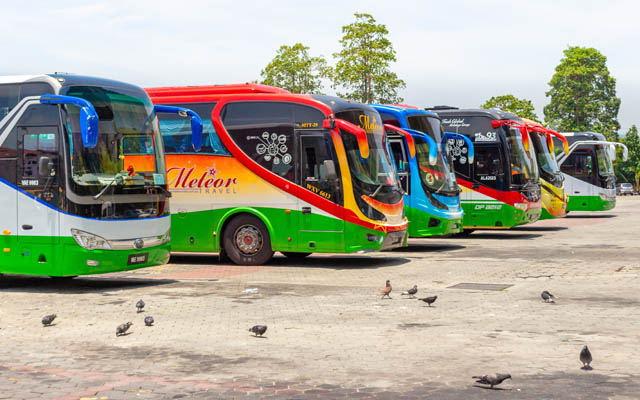
A recent MATTA survey found that 68.5 per cent of tour van operators consume more than 1,500 litres of diesel per month per vehicle, while 54.8 per cent of tour bus operators exceed 3,500 litres per bus. With many already operating on thin margins, further price increases are raising concerns about their ability to remain viable.
MATTA president Nigel Wong said: “The continued rise in diesel prices is placing an unsustainable burden on tourism transport operators, many of whom are already operating on very thin margins. It is critical that we adopt practical and balanced measures that ensure business continuity without compromising consumer trust. A temporary and transparent fuel surcharge mechanism, combined with targeted government support, will help the industry navigate this challenging period while maintaining service standards across Malaysia’s tourism sector.”
MATTA has proposed targeted diesel subsidies of up to 3,500 litres per vehicle per month, alongside a temporary fuel surcharge model similar to that used in the aviation sector, stressing that any surcharge must be transparent, proportionate and strictly temporary.
MTF highlighted structural constraints within the industry, noting that travel packages are sold months in advance under fixed contracts, leaving agencies unable to adjust pricing when costs rise. As a result, many are forced to absorb additional expenses.
The situation is further compounded by reliance on third-party transport providers such as buses, boats and ferries, which are also facing higher operating costs, creating a ripple effect across the sector.
MTF president Dr Sri Ganesh Michiel said: “Action is important, but results are what truly matter. The industry needs solutions that work, support that reaches the ground, and policies that make a real difference. The time to act is now, and the results must follow without delay.”
MTF called for immediate, result-driven measures, including fuel subsidies or financial assistance for transport operators, temporary relief for agencies bound by contracts, and stronger coordination across ministries to ensure timely implementation.