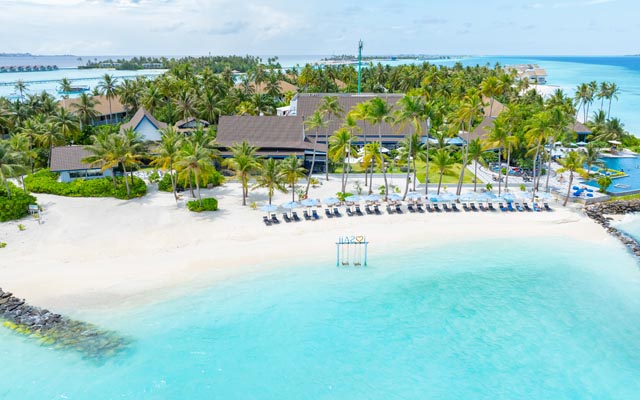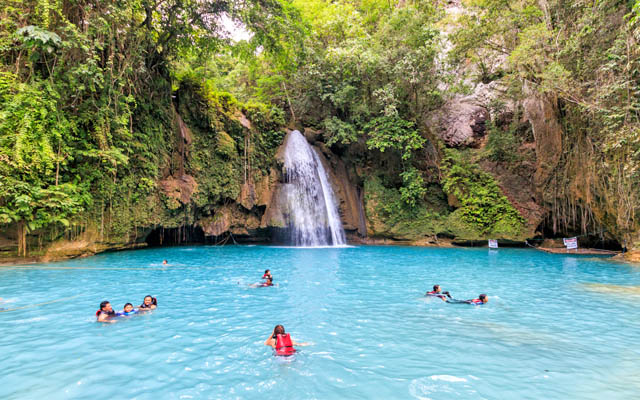
Education tourism is emerging as one of the more resilient, and less seasonal, pillars of tourism in Cebu, driven largely by demand for English-as-a-second-language (ESL) programmes across Asia.
“The Philippines is one of the most popular English-as-a-second-language destinations. Cebu in particular has been actively marketed as an education tourism destination,” said Aines Librodo, senior assistant vice president (airport strategic partnerships) at Aboitiz InfraCapital. “Our closest competitors would probably be Singapore and Australia, but they’re really expensive. Cebu offers a much more affordable alternative.”
Tour operator Destination Specialist said the appeal lies in how education is structured alongside travel.
Typically, students attend classes during the week, with weekends reserved for organised excursions.
“There’s a programme where students come here to study English, but they also get to explore tourism destinations,” explained Merlyn M Ebora, inbound manager at Destination Specialist. “So you’re learning and you’re vacationing at the same time.”
She added that island hopping is what students enjoy most.
Librodo echoed this with an example from Japan. “Japanese students might stay for a month, (with) four days a week in the classroom, and then on weekends they’re out exploring Cebu.”
While official statistics sit with the Department of Tourism, on-the-ground observations point to steady growth. “Before, I only had one bus,” Ebora said. “Then it increased to two buses.”
On recent tours, group sizes have reached up to 80 students at a time.
Government support has helped formalise the segment. “Last year, the Department of Tourism hosted more than 100 education agents,” she noted, referring to education-focused familiarisation trips aimed at expanding enrolment into Cebu-based schools.
“When I go to Japan and say I’m from Cebu, about five out of ten people will say, ‘I’ve been there, I studied English there’,” shared Librodo.