Indonesia’s Ministry of Tourism (MoT) has introduced new regulations to tighten accommodation licensing after government mapping found thousands of properties listed on OTAs, particularly in Bali, were operating without valid business licences, raising concerns over safety, service standards and fair competition.
The policy establishes clearer business standards, supervision mechanisms and administrative sanctions under the country’s risk-based licensing framework. It requires all accommodation properties to hold valid operating licences and appropriate business classifications by March 31, 2026.
Widiyanti Putri Wardhana, Indonesia Minister of Tourism, said the regulation was aimed at restoring order in the accommodation market rather than restricting the growth of digital platforms.
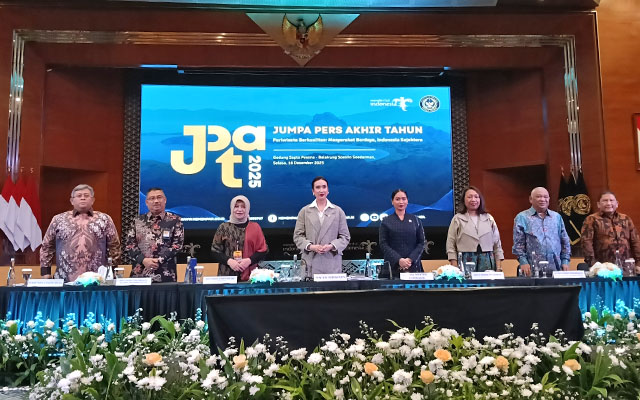
“Licensing is not simply an administrative requirement. It relates directly to safety, professionalism and tax compliance, all of which support sustainable tourism growth,” she said during the ministry’s year-end press conference in Jakarta.
Data compiled by the ministry in October 2025 showed more than 29,000 non-hotel accommodation units listed on OTA platforms in Bali, while only around 14,500 were recorded in the national business registry. In Jakarta, roughly 5,000 non-hotel properties were marketed online, but only about 1,500, or 28 per cent, held valid licences.
Amnu Fuadiy, assistant deputy for Sustainable Tourism Business Management at the Ministry of Tourism, said the mapping revealed a wide disparity between OTA listings and licensed accommodation. “This gap creates multiple risks, from inaccurate government data to unfair competition and potential safety issues for guests,” he said, adding that it also affects tax collection and local revenue planning.
Under the new regulation, accommodation providers that fail to obtain licences by the March 2026 deadline risk removal from OTA platforms. The ministry has coordinated closely with regional governments and major OTAs to ensure a smooth transition, sending formal notices to companies in December 2025 requesting guidance for merchant partners through the Online Single Submission (OSS) licensing system.
Alongside enforcement, the government has rolled out support measures to ease compliance, particularly for small and independent operators. These include licensing education programmes, data verification exercises and coaching clinics to help businesses navigate OSS requirements and select the correct business classification.
Industry players have largely welcomed the push, while underlining the need for consistent implementation on the ground. Fransiska Handoko, head of government and organisation relations at the Bali Hotels Association, said effective field inspections would be key and stressed the importance of continued socialisation to ensure operators understand requirements.
I Gusti Ngurah Rai Suryawijaya, vice chairman of the Indonesian Hotels and Restaurants Association Bali chapter, said licensing enforcement should be accompanied by a review of foreign investment rules in the accommodation sector. “If the aim is to protect local enterprises, there needs to be clearer boundaries on which segments are open to foreign investors and which should remain focused on domestic operators,” he said.
Putu Gede Hendrawan, chairman of the Bali Villa Association, highlighted technical shortcomings in the OSS system, noting that private homes and apartments are often registered under the villa category regardless of whether they meet established standards. “This has allowed many properties to operate as ‘villas’ without actually complying with the criteria,” he said.
The association is preparing a proposal to introduce more detailed villa classifications into the OSS system, with Putu noting that clearer categories would help operators register correctly and make oversight more effective.