Luxury travel is evolving, with high-net-worth travellers trading opulence for access to remote landscapes, authentic cultural experiences, and personalised journeys.
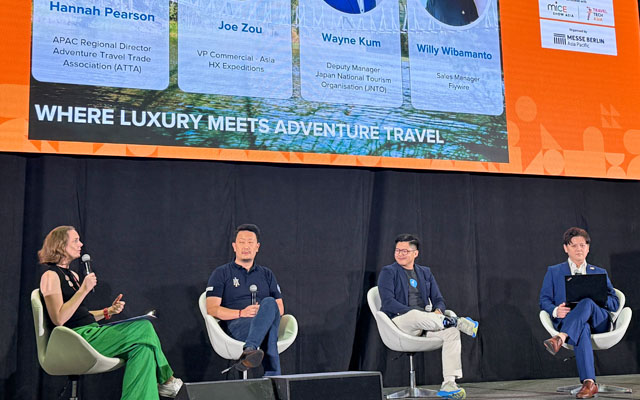
Hannah Pearson from the Adventure Travel Trade Association highlighted a US$1.16 trillion global market for adventure travel, noting a shift from passive sightseeing to purposeful, intimate experiences that connect visitors with nature, people, and place.
“Luxury used to be opulence and being pampered,” said Willie Wibamanto, sales manager at Flywire, during a panel on luxury adventure travel at ITB Asia 2025. “These days, luxury means more access, reaching places we never dreamed of.”
Bhutan exemplifies this trend, positioning itself as a low-volume, high-value destination. By welcoming only those willing to pay a premium, the Himalayan kingdom preserves its environment, maintains traditions, and ensures tourism benefits local communities. Visitors can trek sacred valleys, explore centuries-old monasteries, and connect with artisans and monks without the distractions of mass tourism.
Joe Zou from HX Expeditions noted how their small hybrid vessels combine “comfort, science and sustainability” to bring guests face-to-face with penguins in Antarctica or glaciers in Greenland. “You want access to those places, and I guess luxury is taking (that access) to the next level,” he said.
Wayne Kum from the Japan National Tourism Organization added that travellers are spending more time in fewer locations to “immerse themselves in local culture and well-being”, signalling a shift from quantity to quality.
For a new generation of high-value travellers, ultimate luxury lies in intimacy: private onsens after limited-access mountain hikes, or stepping foot where few have gone before. The appeal is fewer people, richer experiences, and deeper connections.