TTG Asia
Asia/Singapore Wednesday, 11th March 2026
Page 92

TAT partners with Royal Enfield to connect influencers with Thai communities

0

The Tourism Authority of Thailand (TAT), in collaboration with Royal Enfield, brought together 12 international travel influencers from the Asia-Pacific region for a motorcycle journey to highlight Thailand’s travel offerings.

The Amazing Thailand X Royal Enfield partnership is part of the wider Amazing Thailand X Global Allied initiative. Held from August 11 to 17, 2025, influencers from India, Malaysia, Indonesia, Japan and South Korea started their adventure in Bangkok before travelling through Trang, Phatthalung and Songkhla, documenting their experiences along the way.

Influencers joined a week-long journey capturing local culture and traditions, travelling through Trang, Phatthalung and Songkhla

The itinerary included Muay Thai at Rajadamnern Stadium, street art in Trang, Krachong Waterfall and the Khao Chong Botanical Garden. In Phatthalung, the group visited Talay Noi by paddleboat and attended a performance of the local Nora dance. In Songkhla, they used local transport, visited Kim Yong Market and explored the city’s cultural heritage.

The partnership also included engagement with the Royal Enfield Community in Hat Yai, where 50 motorcyclists joined the campaign to promote cultural exchange.

Influencers documented the journey across digital platforms under TAT’s Your Stories Never End theme. So far, they have produced 355 pieces of content, including posts, video reels and stories, reaching about 14,677,650 people worldwide.

TAT governor Thapanee Kiatphaibool said: “This collaboration with Royal Enfield is a powerful example of how we can blend lifestyle, adventure and cultural exploration to position Thailand as a destination that goes beyond the ordinary. By engaging passionate influencers and motorcycle communities across the region, we are not only showcasing Thailand’s hidden gems but also inspiring travellers to create their own unforgettable stories.”

Plataran Indonesia expands hospitality projects with new venues, partnerships

0

Plataran Indonesia, a hospitality group, is positioning Indonesian tourism internationally through its Next Level Indonesian Hospitality mission. The company’s strategy includes opening new dining and wellness venues, securing pipeline projects, and adopting an integrated approach that highlights Indonesian nature, culture, and people.

Yozua Makes, CEO of Plataran Indonesia, at a recent press conference marking the 80th anniversary of Indonesian Independence, said: “Going global doesn’t always mean that we must have properties overseas, but by creating positive values and stories that will attract travellers to come. They will bring home their experiences and become our ambassadors in their countries.”

Plataran strengthens its presence in Makassar and Puncak while pursuing global partnerships

As part of this vision, Plataran launched a dining venue in Makassar, the capital of South Sulawesi. The Plataran Makassar includes an Indonesian menu, private dining spaces, and event facilities for up to 1,000 guests. To mark its opening, the venue hosted community events including a run, yoga session, and a concert under the Plataran Intimate Concert Series. It will continue to host events for different groups, including those linked to sports, automotive, fashion, and wellness. Yozua said he hoped the venue would strengthen Makassar’s role as a business hub in eastern Indonesia.

Plataran is also focusing on Puncak as a destination for weekend travel from Jakarta. In 2023, the company opened a resort, villas, and the Rahita Holistic Wellness by Plataran. A new programme, The Plataran Wellness – Reconnect with Yourself, will be launched in September.

Dewi Makesh, co-founder of the company, shared: “This new programme is a holistic package that includes detoxification, plant-based diets, physical exercise, and a walking tour through the Gunung Mas tea plantation. True to the company DNA, we involve local communities by having local tea pickers teach guests the techniques of tea picking and providing guides to explain the tea-processing.”

Plataran has introduced a traffic assistant service in Puncak. According to Anasthasia Handayani, a CEO office representative for Plataran Indonesia, the company works with authorities to monitor traffic and advises guests on suitable departure times. She said that for those facing unexpected congestion, the company provides a motorcycle escort to help them reach the hotel in about 90 minutes from Jakarta.

Under its Plataran Seamless Global Collaboration framework, the company is finalising work plans with an international hotel chain. This follows a cultural diplomacy alliance established in 2024 with the Japan-based Okura Hotel Group, which includes Okura, Nikko, and JAL Hotels.

When travel platforms anticipate your next trip

0

The travel industry is at a critical inflection point. For decades, travellers simply accepted the complexity associated with travel, spending time managing disparate bookings, sifting through endless amounts of information, while also bracing for unexpected changes.

Today, travellers demand more. They expect seamless, intuitive, and highly personalised experiences that anticipate their needs before they even ask.

Modern travellers want the right options, delivered at the right moment, through the right channel. This demand is compelling travel companies to fundamentally rethink their approach to customer engagement. According to research from Infobip, a whopping 83 per cent of Gen Z today treat brand relationships like personal relationships. To create those meaningful connections and capture the next decade of travel growth, travel brands must move beyond a reactive service model and invest in predictive AI that delivers truly anticipatory customer experiences.

Redefining the customer journey: from reactive to anticipatory travel
Traditionally, travel platforms have operated on a “search-and-respond” model. A customer expresses intent – such as a flight to Tokyo – and the platform returns a list of available options. While this approach is efficient for individual transactions, it often creates friction points for the customer. Travellers are left to deal with information overload and decision fatigue, and platforms miss opportunities for effective cross-selling and truly tailored experiences.

A new frontier is emerging in the form of anticipatory travel, where AI infers a traveller’s implicit intent, future needs, and even potential pain points, allowing platforms to act proactively. For today’s time-poor consumers, this is a meaningful change in approach. Not only does it reduce the mental load and effort associated with planning and managing complex trips, but it also shifts the paradigm from problem response to problem prevention. This elevates the customer experience by providing peace of mind and improving overall journey quality.

We have all experienced the dread of a flight delay, especially when in transit overnight or overseas. Imagine this: you are still in the air, but our AI-powered Trip.com platform has already detected your flight delay. Leveraging real-time data, the system calculates the impact on your itinerary. It knows hotels often release rooms after a midnight no-show, so our platform automatically contacts your hotel on your behalf to inform them of your late arrival. This proactive intervention eliminates frantic calls during a layover, not only saving you the cost of a long international phone call but also preventing the frustration of arriving at your destination only to find your room has been cancelled.

Advanced AI systems are also now able to create truly dynamic and personalised itineraries by synthesising vast amounts of static and real-time data with the customer’s own historical preferences and purchasing behaviour. For example, our TripGenie can factor in a traveller’s consistent preference for family-friendly options or even suggest splitting a stay between two hotels – one near an attraction, another centrally located – all while optimising for budget and unique needs.

Similarly, Trip.Best analyses a user’s travel preferences and past transactions to identify similar options for future trips, highlighting unique attractions and tailoring recommendations to cater precisely to individual tastes.

This allows us to move beyond generic suggestions and deliver deeply contextual recommendations that anticipate precise desires. By shifting from transactional interactions to building relationship-based business models, travel platforms are better equipped to unlock long-term customer value, through continuous positive customer experiences.

The strategic opportunity in redefining the traveller experience
We believe that the ability to deliver anticipatory experiences will be the primary competitive differentiator in the travel sector. Companies that can predict a business traveller’s need for early check-in or a family’s requirement for connecting rooms gain significant competitive advantage because they deliver superior customer experiences and value.

This strategic approach, which is directly tied to elevated customer experiences, yields clear business outcomes:

Accelerated revenue growth and customer lifetime value: By presenting highly relevant offers at the optimal moment, we can achieve higher conversion rates for bookings, ancillary services, and experiences. This fosters consistent satisfaction and deeper customer engagement, thus significantly increasing customer lifetime value.

More efficient operations: AI can contribute towards reducing the volume of reactive customer service enquiries, simply by anticipating their needs and preventing common issues before they arise. This not only leads to a much better customer experience, but also significant cost savings for call centre operations.

Resilience against disruption: Predictive capabilities allow travel platforms to more effectively identify potential travel disruptions early, as well as to proactively offer solutions to the customer. This minimises cancellations and retains revenue that might otherwise be lost due to customer dissatisfaction.

The future belongs to platforms that can seamlessly integrate at scale across the entire travel value chain. This integration will be crucial for delivering comprehensive customer satisfaction, while unlocking new revenue streams. As an industry, we face a critical decision – embrace AI capabilities now, or risk competitive erosion and eventual irrelevance in the eyes of the modern traveller.

The future is now
The transformative potential of AI is not a future possibility, but a reality that is actively reshaping how customers experience their journeys, and how businesses can compete. Companies that strategically embrace and invest in predictive AI capabilities will capture a competitive advantage by consistently delivering superior, anticipatory customer experiences.

Canopy by Hilton Makati set to open in Metro Manila

0

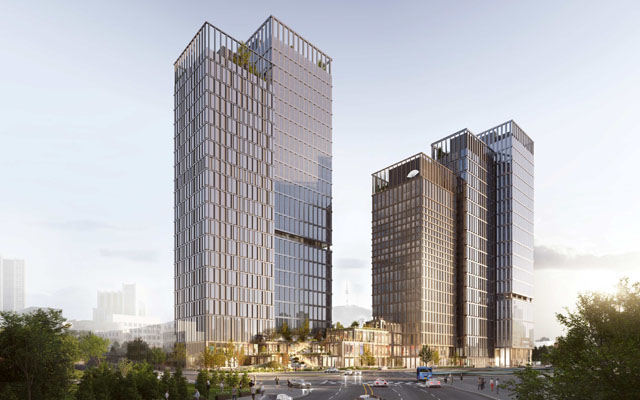
Hilton and Ayala Land Hospitality have signed an agreement to develop Canopy by Hilton Makati in Metro Manila, a hub for financial institutions, multinational companies, and street activity.

Scheduled to open in 2026, the hotel will be part of the One Ayala development, a mixed-use project combining cultural, commercial, and creative spaces in Makati.

Hilton expands its footprint in Metro Manila with the signing of Canopy by Hilton Makati

Canopy by Hilton operates hotels designed to reflect the local setting. With more than 40 properties open across 14 countries and territories, and over 40 more planned, each hotel is tailored to its location. Canopy Makati will continue this approach, combining hospitality with contemporary design influenced by Manila’s culture and creative scene.

The 24-storey hotel will have 400 rooms and suites, ranging from urban rooms to larger suites, with interiors influenced by local materials and artwork. The property will include a restaurant, rooftop bar with city views, and a speakeasy, which will host social and cultural events.

Facilities will include a pool deck and a gym with equipment and group classes. Meeting spaces will be designed to accommodate events such as corporate gatherings, weddings, and celebrations, incorporating elements of local creativity.

“Introducing our Canopy brand to the Philippines is a significant milestone, especially in such a vibrant junction in the heart of Makati. Metro Manila is ripe for a fresh perspective on hospitality, and we believe Canopy’s lifestyle approach will resonate with both local and international guests,” said Maria Ariizumi, vice president, development, South East Asia, Hilton.

George Aquino, president and CEO, Ayala Land Hospitality, added: “It’s not just about adding rooms – it’s about creating stays that spark curiosity and celebrate Filipino creativity. This exciting collaboration brings us closer to our goal of shaping the Philippines into a must-visit destination, one unforgettable stay at a time.”

Seven Seas Navigator to retire with final voyages in 2026

0

Regent Seven Seas Cruises (RSSC) will mark the retirement of Seven Seas Navigator with a Farewell Season of three commemorative voyages between August and October 2026.

Seven Seas Navigator has been part of the fleet since 1999.

Guests will take part in special events and culinary experiences during the ship’s final season at sea

The Farewell Season will include onboard events such as panel discussions, auctions of memorabilia, dinners, and guest appearances. The final voyage will depart on October 2, 2026, hosted by chief commercial officer Wes D’Silva, and will also coincide with the retirement of cruise director Ray Solaire, who has served for 18 years with RSSC.

Other sailings in the Farewell Season include an Epicurean Spotlight Voyage led by the company’s executive culinary team, headed by Bernhard Klotz, vice president food and beverage, and a Reunion Cruise with former crew members including captain John McNeil and Davor Josipovic, general manager. Mark Conroy, founding president from 1992 to 2013, will also join the Reunion Cruise.

Solaire, originally from Blackpool, England, joined the cruise industry as a performer and later became a cruise director in 1975. He has been with RSSC since 2007.

Seven Seas Navigator, refurbished in 2019, accommodates 496 guests with 365 crew members. It has 248 suites, four bars and lounges, and several dining venues including Compass Rose, Prime 7, and Sette Mari at La Veranda. The Farewell Season will feature commemorative gifts, culinary events, and entertainment.

The three sailings begin with Iberian Indulgence, a 12-night voyage from Paris (Le Havre) to Barcelona on August 12, 2026, which will focus on food and wine events led by the company’s culinary team. The second, Miro to Michelangelo, is a nine-night voyage round trip from Barcelona departing on August 24, 2026, which will bring back former crew and executives for panel discussions, dinners, and events.

The Farewell Season concludes with A Mythical Sojourn, a 14-night sailing from Istanbul to Rome (Civitavecchia) on October 2, 2026. Hosted by D’Silva, this final voyage will include an auction of ship memorabilia to benefit the crew fund and will feature Solaire’s last performance.

“From the inaugural voyage in 1999, Seven Seas Navigator has embodied the timeless luxury and personalised service that defines Regent Seven Seas Cruises,” said Jason Montague, chief luxury officer, RSSC. “As we celebrate her remarkable journey, we are equally proud to honour Ray Solaire, a treasured member of the Regent family, whose legacy will sail on for both guests and crew.”

Seven Seas Navigator holds a very special place in my heart,” shared Solaire. “More than just a ship, Seven Seas Navigator is home to countless memories and lifelong friends. I can’t think of a better goodbye than to celebrate this chapter alongside our wonderful team and loyal guests who’ve made the journey so meaningful.”

W Maldives hosts Bali chefs for two-night Flavours Unscripted event

0

This October, W Maldives will host a two-night culinary event as part of its Flavours Unscripted series, featuring three chefs from Bali: Benjamin Cross, Stephen Moore, and Chris Smith.

The dinners on October 18 and 20, 2025, will take place at Fire, the beachfront smokehouse, and Fish, the overwater restaurant, and will focus on open-fire cooking and locally sourced ingredients.

The two-night culinary event features open-fire cooking and locally sourced ingredients by chefs Chris Smith, Benjamin Cross and Stephen Moore, pictured; photo by W Maldives

Benjamin Cross, executive chef at Mason and Bar Vera, brings Mediterranean influences, Stephen Moore of Shelter combines Middle Eastern and Mediterranean flavours, and Chris Smith of Red Gunpowder blends French techniques with Indian spices and Balinese produce.

The first dinner at Fire will include dishes such as wagyu ribeye and smoked duck, while the second at Fish will feature seafood including line-caught fish pilpil and lobster risoni.

W Maldives, in the North Ari Atoll, is a 25-minute seaplane journey from Velana International Airport. The resort has 77 private villas with plunge pools and ocean access. Guests can book the Stay, Dine, and Fly package, which includes breakfast, a three-course dinner, and roundtrip seaplane transfers.

For more information, visit W Maldives.

Umana Bali names new GM

0

Umana Bali, LXR Hotels & Resorts has appointed Nicolas Kassab as general manager. He will be responsible for operations, team development and guest experience strategy at the resort.

Kassab brings more than 20 years of experience in hospitality. He was previously general manager of The Ritz-Carlton, Suzhou, where he oversaw the hotel’s opening and operations. Earlier in his career, he held leadership roles with Marriott International, managing luxury brands across Asia-Pacific and overseeing operations in Singapore, Malaysia and the Maldives.

Stuart De San Nicolas joins Anantara Koh Yao Yai as GM

0

Anantara Koh Yao Yai Resort & Villas has appointed Stuart De San Nicolas as general manager. He brings decades of experience in ultra-luxury hospitality, with a track record in operational leadership, revenue management and designing bespoke guest experiences.

In 2023, he joined Minor Hotels as cluster general manager, overseeing Anantara Kihavah Maldives Villas, the launch of Avani+ Fares Maldives, and the introduction of NH and NH Collection brands in the Maldives, leading signature experiences while driving sales and revenue strategies.

Japan charts course to revive cruise market by 2030

0

Japan is aiming for one million Japanese cruise passengers annually by 2030 to boost the country’s cruise market, which has yet to rebound to pre-pandemic levels.

Japanese cruise travellers numbered 224,000 in 2024, only 63 per cent of the record high of 356,000 recorded in 2019. Of those 356,000 passengers, 118,000 travelled on domestic cruises (ships registered in Japan) while 238,000 travelled on international cruises (ships registered overseas).

Japan’s largest domestic cruise ship Asuka III made her inaugural sailing in July; photo by NYK Cruises Co.

By the end of the decade, the Ministry of Land, Infrastructure, Transport and Tourism is targeting 700,000 Japanese cruise passengers on domestic ships and 300,000 on international ships.

The goal is based on recommendations of an expert panel tasked with considering the sustainable development of the country’s cruise market. Their report advises industry, government and academia to work together by “diversifying and upgrading the market in terms of both quality and quantity, and expanding the range of services for individual travellers”.

Central to those efforts is the supply of new ships, including those catering to new markets such as young families and people in their forties and fifties.

In July, Asuka III, a 740-pax luxury liner owned by NYK cruises, became the largest Japan-flagged passenger ship when she made her inaugural sailing from her home port of Yokohama to Hokkaido. Designed to be a flagship for the Japanese cruise industry, the vessel boasts all ocean-view cabins with balconies, a 24-hour gym, a pool and six restaurants.

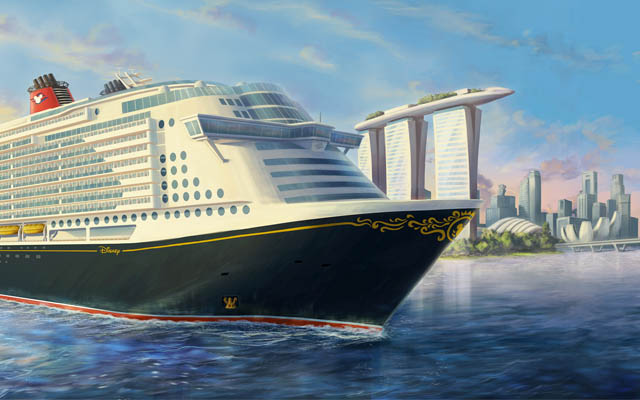
Another Japan-flagged ship, which will operate a Disney cruise by Oriental Land Co. for up to 4,000 pax, is scheduled to start service in 2028.

Other endeavours to attract more Japanese cruise passengers will include the creation of new products such as short, affordable cruises from metropolitan areas; greater provision of information about products such as luxury accommodation and dining options; expansion and diversification of sales channels including online; and promotion on social media.

Hong Kong strengthens Muslim-friendly travel offerings with Klook partnership

0

The Hong Kong Tourism Board (HKTB) and Klook have teamed up to promote Hong Kong as a Muslim-friendly destination, offering curated activities, accommodation and prayer-friendly experiences. The initiative builds on HKTB’s Jelajah Hong Kong campaign and reflects rising interest in the city among Muslim travellers, with Klook reporting a significant increase in bookings.

Muslim leisure travellers are motivated by the same interests as others, including exploring new cultures, discovering local experiences and creating meaningful memories, but their travel choices also need to meet faith-based requirements such as access to Muslim-friendly food, prayer facilities and privacy considerations.

The partnership aims to strengthen Hong Kong’s positioning as a welcoming destination for Muslim travellers; photo by Hong Kong Tourism Board

The Jelajah Hong Kong campaign, the board’s first multi-market effort targeting Muslim travellers, has been enhanced through the Klook partnership. The platform provides a one-stop shop for Muslim-friendly activities, stays and prayer-friendly day trips to family attractions and cultural sites. Klook leverages its Kreator network in Singapore, Malaysia and Indonesia to develop curated itineraries and share first-hand recommendations, giving travellers confidence to explore Hong Kong.

The initiative builds on previous work by Klook, which partnered with CrescentRating and HalalTrip to become the first global experiences platform offering verified Muslim-friendly ratings. Hong Kong has also been recognised as the Most Promising Muslim-friendly Destination of the Year at the Halal in Travel Awards 2025 and ranks third among non-OIC destinations and second globally in the Muslim Women Friendly Travel category in the 2025 Global Muslim Travel Index (GMTI).

Muslim travel continues to grow. GMTI reported 176 million international Muslim arrivals in 2024, up 25 per cent from 2023, with projections reaching 245 million by 2030 and total spending expected to hit US$230 billion. Klook data shows bookings to Hong Kong from Muslim travellers rose 43.5 per cent over the past year, led by theme parks and attractions.

Fazal Bahardeen, CEO of CrescentRating and HalalTrip, noted that travel to non-Muslim-majority destinations can be stressful when key information for “faith-based needs is not readily available”, and that navigating unfamiliar places can increase anxiety, creating discomfort or a sense of exclusion that undermines the purpose of leisure travel.

He added: “The partnership between Klook and HKTB is a good example of how collaborations can create meaningful, Muslim-friendly travel experiences to provide useful and relevant travel information for tourists.”

Liew Chian Jia, regional director for South-east Asia at HKTB, shared that the Jelajah Hong Kong campaign has increased interest from Muslim travellers, and that the partnership with Klook reinforces Hong Kong’s appeal as an inclusive destination and reflects the board’s efforts to diversify tourism offerings.