It is always fun and inspiring to check out travel trend projections for the new year, to understand what people will travel for and to see how many of those observations and predictions mirror my own motivations.
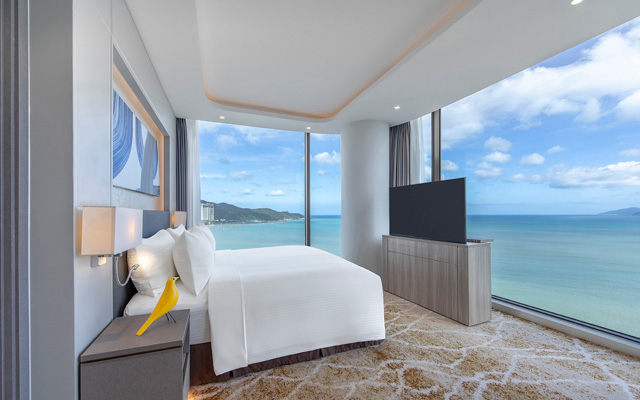
For the new year ahead of us, I delight at knowing that unusual hotel stays with attractive backstories as well as literature inspirations are shaping itineraries. They join familiar travel motivations – quest for quality time with family members, sports and festivals, and local food souvenirs – and inspire travel and tourism suppliers to get more creative with destination experiences.
Sydney, in particular, is working the sports travel trend well to its advantage. Its strong cricket culture is helping to grow Indian arrivals. Indian cricket fans, who descend on Sydney to catch their favourite teams and players in action, also go on to tour New South Wales, driving tourism benefits deeper into the Australian region.
I am also excited that the concepts of ‘live to travel’ and ‘live to eat’ are colliding. Travellers are not just bookmarking top-rated restaurants at their target destinations, but also expecting experiences that will allow them to peer into the soul of the dish. Young and multi-racial Singapore, often criticised for its lack of history and culture, is correcting this misconception through hawker stalls, heritage brands and hotels dishing out gourmet experiences that link cuisine with history, craft and identity.
Travel inspirations may first be borne out of trendsetting travellers, but experiences are refined by creative destination specialists and ideas amplified by media channels. Responsible interaction with local people and environments are, therefore, in our hands. As we seek out hidden gems around the world, may we always remember that being able to experience them is a privilege, not a right.
And now – Happy New Year! May we all have a peaceful and prosperous 2026.
Young entrepreneurs in Indonesia are taking on the responsibility of sustaining local arts and culture.
Handep, a social enterprise, is working with 250 female artisans from five villages in Central Kalimantan to elevate the art of rattan weaving and support the local community.
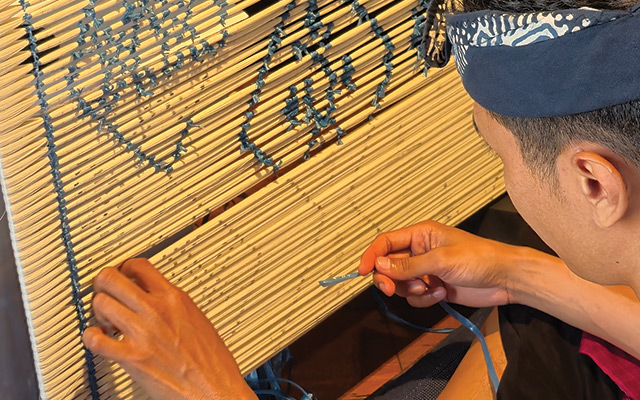
Endek weaving
Aini Abdul, co-founder and chief community officer of Handep, hopes to improve public perception of rattan.
Aini said: “Rattan has been used here for centuries for different purposes, from household tools to baskets. Large rattan is even used to make bridges. However, rattan products are perceived as low in value.”
Since rattan only grows in healthy primary or secondary forests, its cultivation also helps incentivise the preservation of woodlands, she added.
Handep is creating high-end, contemporary designs and maintaining traditional, machinery-free techniques.
In the last three years, Handep products, ranging from bags and footwear to baskets and mats, have found their way to hotel retail arcades and e-commerce platforms. They are also sold at Handep’s own gallery in Ubud. Handep hopes to expand product reach into international markets one day.
Handep reinvests 20 to 25 per cent of profits back into the local communities.
In Bali’s Bangli, another organisation is hard at work to preserve the local textile heritage.
Tenun Agung Bali, founded in 2015, is driven to inspire a new generation to love the art of traditional endek weaving.
Owner Agung Indra inherited the craft from her parents, who ran an endek weaving business in the 1980s and 1990s. She launched Tenun Agung Bali to meet contemporary demand by creating products that combine traditional techniques with modern style.
The business supports village ladies – 90 per cent of whom are homemakers.
“We provide the loom, threads and other equipment for them to be able to work from home,” shared Agung.
Tenun Agung Bali also recruits high school graduates, offering them extracurricular sessions in essential skills like design, traditional, natural colouring techniques, and weaving before bringing them onboard.
Creating a single endek cloth is an intricate, collaborative effort requiring 10 to 12 artisans of different skills. Depending on the design’s complexity, the process can take anywhere from two weeks to a couple of months, according to Agung.
Tenun Agung Balihasattracted international buyers from countries such as Indonesia, Japan, Portugal, and Panama.
Meanwhile, Ragam Foundation in Bali seeks visitor volunteers for its community kitchen, which produces over 500 nutritious meals five days a week. Nasi bungkus (wrapped rice) are distributed to various selected centres, like orphanages and childcare facilities, ensuring children and needy communities receive their first balanced meal of the day.
Nicholaas Kimman, who established the Ragam Foundation in 2021, believes that basic needs must first be met before individuals can thrive. Its work seeks to alleviate the burden of food cost for partner organisations and improve the physical and cognitive health of supported children.
Ragam Foundation also runs programmes to foster independence. These include a scholarship programme for 30 students; a vocational training programme for at-risk youth; and the Ball of Hope crochet programme to give local women a flexible income.
Further, the organisation distributes water filters to bring clean water to the local people, and operate a community centre with a baking kitchen and educational garden.
Agoda has recorded increased travel interest in South Korea’s Goyang and Busan following the announcement of BTS’s world tour dates earlier this week. The tour marks the group’s first since a four-year hiatus.
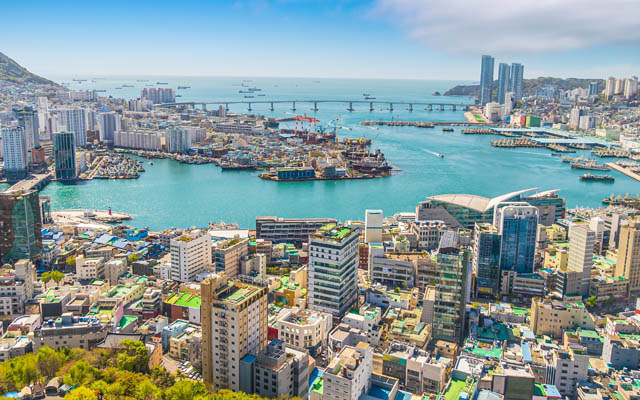
According to Agoda, accommodation searches for Goyang rose by almost eight times compared with the previous week after the tour dates were confirmed. BTS is scheduled to open the tour in the city on April 9, followed by performances on April 11 and April 12. Busan also saw an increase in interest, with searches rising by 47 per cent over the same period.
Busan saw a rise in travel searches after being confirmed as a stop on the BTS world tour
The rise in demand has been driven largely by travellers from across Asia. Agoda data shows the highest search volumes for South Korean tour destinations came from Japan, Taiwan, the Philippines, Hong Kong and China. Searches from the Philippines for Goyang and Busan increased by more than seven times week on week, while searches from Hong Kong rose by 145 per cent. Searches from China more than doubled following the announcement, despite no tour dates currently scheduled there.
Interest has also extended beyond South Korea. Agoda reported higher search activity for other Asian cities linked to the tour schedule, including a doubling of searches for Kaohsiung and an 18 per cent increase for Tokyo, indicating that fans are prepared to travel internationally to attend concerts.
The data reflects short-term shifts in travel planning following major entertainment announcements, with concert dates influencing accommodation searches in host cities shortly after confirmation.
“BTS fans are truly ‘dynamite’ in their enthusiasm, and Agoda is thrilled to help them experience the ‘euphoria’ of catching the K-pop group live at these exciting tour destinations,” said Matteo Frigerio, chief marketing officer at Agoda.
Cathay has launched its 80th anniversary, marking eight decades of operations since 1946. The airline will host a series of events, initiatives and activations throughout 2026 under the theme 80 Years Together.
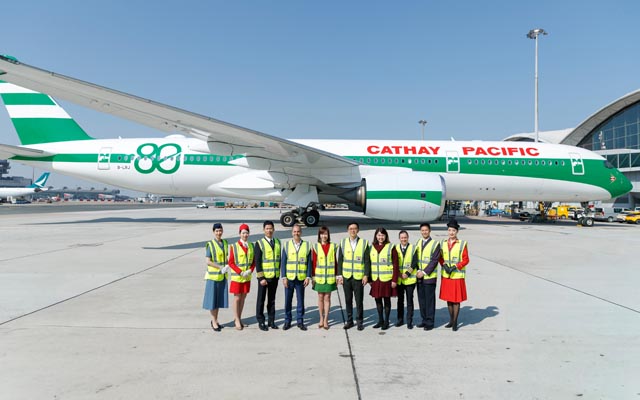
As part of the celebrations, Cathay unveiled a special livery on one of its longhaul Airbus A350 passenger aircraft. Featuring the airline’s “lettuce leaf sandwich” design and the 80th anniversary year, the livery references the green-and-white striped paint scheme used in previous decades. A second “lettuce leaf sandwich” livery on a Boeing 747 freighter will be revealed in the coming weeks.
A special aircraft livery unveiling pays tribute to Cathay’s enduring legacy while heralding a new chapter ahead
Cabin crew wore vintage Cathay Pacific uniforms from different design eras during the launch, recognising staff who have contributed to the airline’s service over the years. Around 1,000 to 2,000 cabin crew and ground employees will wear these uniforms at work during 2026.
A collection of merchandise inspired by the anniversary liveries and historic designs will also be released progressively. The items reinterpret these elements across aviation, travel and lifestyle products.
Speaking at the event, Cathay Group CEO Ronald Lam said: “Guided by our purpose to move people forward in life, Cathay and Hong Kong have grown together over the past eight decades, supporting each other through thick and thin.
“Looking ahead, through our investment of well over HK$100 billion (US$12.8 billion) into our fleet, cabin products, lounges and digital innovation, Cathay will continue to elevate the customer experience as we strive towards our refreshed vision to become our customers’ most loved service brand. At the same time, we remain committed to strengthening Hong Kong’s status as a leading international aviation hub.
“With the continued support and encouragement of our people, customers and partners, I am confident that Cathay, as an iconic Hong Kong brand, will reach even greater heights in the years to come.”
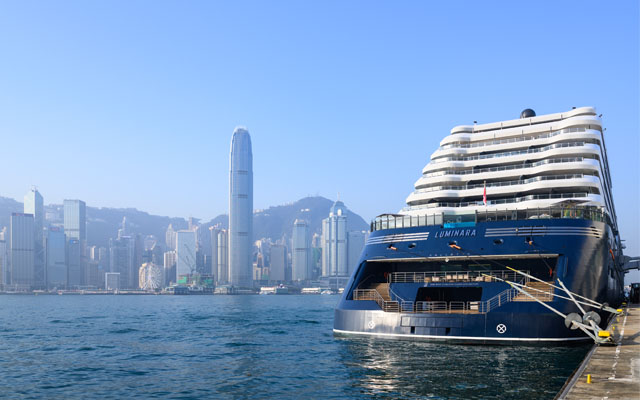
The Hong Kong Tourism Board (HKTB) welcomed the inaugural arrival of The Ritz-Carlton Yacht Collection’s Luminara, marking the luxury yacht’s deployment from Hong Kong as a turnaround port.
Over the coming months, the yacht will operate Asia-Pacific itineraries with Hong Kong as the embarkation and disembarkation point. The deployment highlights Hong Kong’s appeal for cruise tourism and its ability to attract high-end international visitors.
Luminara docked at Ocean Terminal, Tsim Sha Tsui, marking its first Hong Kong call and the start of its Asia-Pacific cruises
Luminara entered Victoria Harbour and docked at Ocean Terminal in Tsim Sha Tsui on the morning of January 13, following the launch of its Asia-Pacific itineraries from Singapore in December. HKTB marked the occasion with a water salute, dragon and lion dances, and a welcoming ceremony and luncheon on board attended by secretary for culture, sports and tourism Rosanna Law, commissioner for tourism Angelina Cheung, HKTB executive director Anthony Lau, and representatives from The Ritz-Carlton Yacht Collection.
Luminara, the third and newest superyacht from The Ritz-Carlton Yacht Collection, will operate turnaround trips between Hong Kong and Singapore or Tokyo from January through mid-April 2026, with port calls including Osaka, Bangkok, Incheon, Halong Bay, and Ho Chi Minh City.
Launched in July 2025, the yacht spans 242 metres with a gross tonnage of 46,750 and accommodates up to 452 guests across 226 suites with private terraces. Luminara features five dining venues, seven bars, and an expansive marina providing direct access to the water, supporting an intimate and unhurried way of exploring the region.
Law commented: “I am delighted to welcome the maiden call of a luxury cruise vessel from a leading international brand to Hong Kong as the new year begins. This demonstrates that Hong Kong not only attracts large and well-known cruises but has also drawn super-luxury vessels targeting high-end international visitors, testifying to Hong Kong’s diversity in cruise tourism.
“Looking ahead, the Tourism Commission and HKTB will continue to fortify Hong Kong’s position as Asia’s Cruise Hub and work closely with industry partners to drive the development of cruise tourism in Hong Kong.”
Ernesto Fara, president and CEO of The Ritz-Carlton Yacht Collection, said: “Our Asia-Pacific itineraries invite guests to experience the region in a more intimate and unhurried way, pairing marquee cities with more secluded islands and offering opportunities for overnights that allow for deeper exploration ashore and by water.
“Expanding into Asia-Pacific marks an important step in how we continue to thoughtfully grow in the region and around the world.”
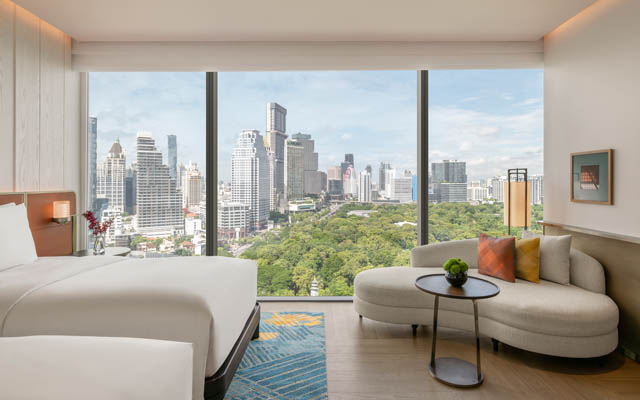
Andaz One Bangkok, Thailand
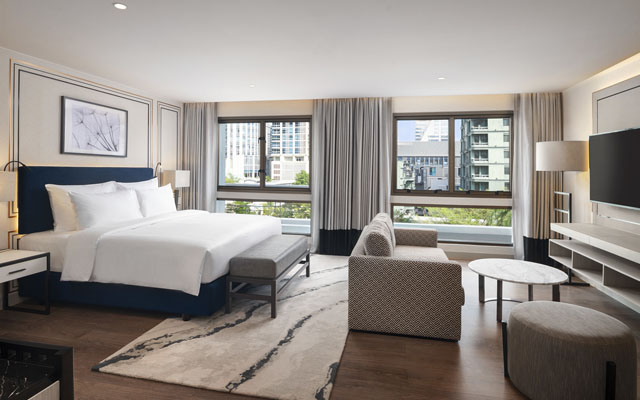
Andaz One Bangkok has opened within the One Bangkok district on Wireless Road, featuring 244 rooms and suites ranging from 38m² to 197m², many overlooking Lumphini Park.
Facilities include a 24‑hour lounge, outdoor infinity pool, and fitness centre. Dining options include Jǐng for Chinese cuisine, Andaz Terrace for Asian‑influenced dishes and afternoon tea, and Piscari on the 23rd floor for Mediterranean fare with rooftop terrace and speakeasy.
The property connects directly to MRT Lumphini Station and is close to shopping, cultural venues and business districts. Its location beside Lumphini Park gives access to green space while remaining in the centre of Bangkok, with both airports reachable via nearby expressways.
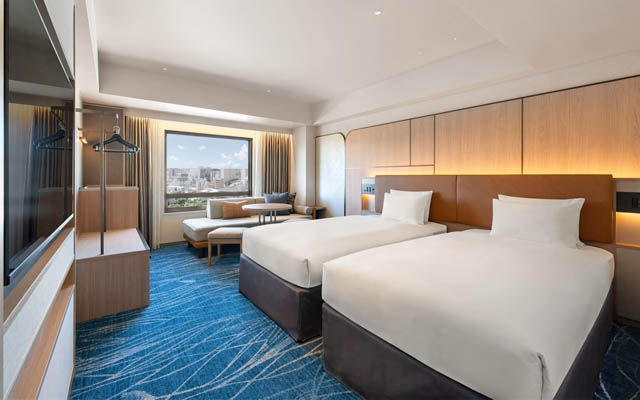
Okinawa Harborview Hotel
Okinawa Harborview Hotel, Japan
Okinawa Harborview Hotel in Naha has completed major renovations to its guestrooms, club lounge and dining facilities. All rooms have been refreshed, including Standard Twin and Club categories such as Executive Twin and Deluxe Twin, with lounge access benefits.
The expanded top‑floor Club Lounge operates until midnight, serving meals and drinks with views over the city. A new restaurant, Teppanyaki Izumizaki, highlights local produce and Ryukyu traditions alongside premium beef and seafood.
The hotel is located about 10 minutes by car from Naha Airport and within walking distance of Yui Rail stations, Kokusai Street and the Prefectural Office, offering convenient access to shopping, dining and day trips.
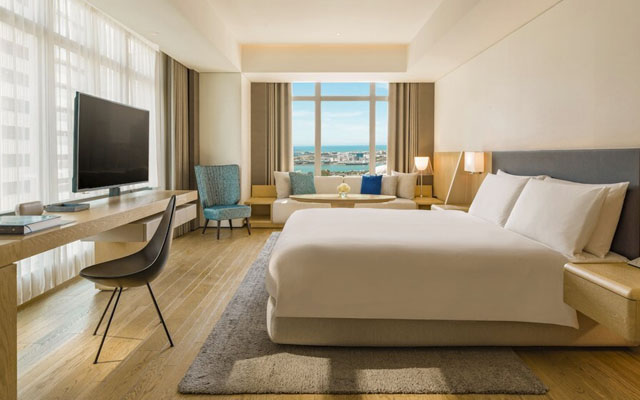
The Amnis, a Luxury Collection Hotel
The Amnis, a Luxury Collection Hotel, Taiwan
The Amnis, a Luxury Collection Hotel, Kaohsiung marks the brand’s debut in Taiwan.
The hotel offers 147 guestrooms starting at 60m², designed with natural materials, large windows and soundproofing to provide privacy and views of the harbour.
Facilities include a semi‑outdoor pool, sauna, steam room and fitness centre. Dining options range from teppanyaki and kaiseki at Ukai‑tei Kaohsiung to sake at Dassai Bar and all‑day service at In‑Jade Lounge. Guests can also join guided visits to ALIEN Art Centre and daily locally inspired culinary experiences.
Located in the Asia New Bay Area, the property is close to Kaohsiung Music Center, Exhibition Center, and the Main Public Library, with convenient links to Kaohsiung Station, MRT and the airport.
Radisson Hotel Chateau de Bangkok
Radisson Hotel Chateau de Bangkok, Thailand
Radisson Hotel Chateau de Bangkok has reopened in the Ploen Chit district, reintroducing one of the city’s longstanding landmarks. The property boasts 178 guestrooms and suites, many with skyline views, and some equipped with kitchenettes for extended stays.
Dining options include Larder & Lounge for café fare, Château Botanique for Thai‑French cuisine, and View Pool Bar on the rooftop with city vistas. Wellness facilities on the 12th floor feature a fitness centre, spa room and outdoor pool.
Event spaces include the Crystal Lotus Hall for up to 250 guests, alongside smaller meeting rooms. Located near BTS Ploenchit station, the hotel provides convenient access to shopping, dining, temples, palaces and Bangkok’s business districts, with both airports reachable within 40 minutes.
InterContinental Chiang Mai The Mae Ping has appointed Bijayasinee Sirivisutra as cultural ambassador, a newly created role.
Based in Chiang Mai, she is responsible for developing guest experiences connected to Lanna heritage, managing cultural artefacts within the hotel and strengthening links with the local arts community.
Bijayasinee was born and raised in Chiang Mai and has a background in Lanna dance and Thai art. Her professional experience includes roles in Thai media and entertainment, luxury hospitality and more than a decade working as a travel writer across Thailand.
The Philippines’ focus on new destinations and experiences is driving an exciting, vibrant evolution in its inbound tourism, successfully refreshing the country’s global appeal, allowing it to shine and increase its competitive edge among regional neighbours.
The industry’sembrace of responsible tourism is translating into action, showing a strong national commitment to sustainability, safety, and security, thus protecting its natural and cultural assets for future travellers.
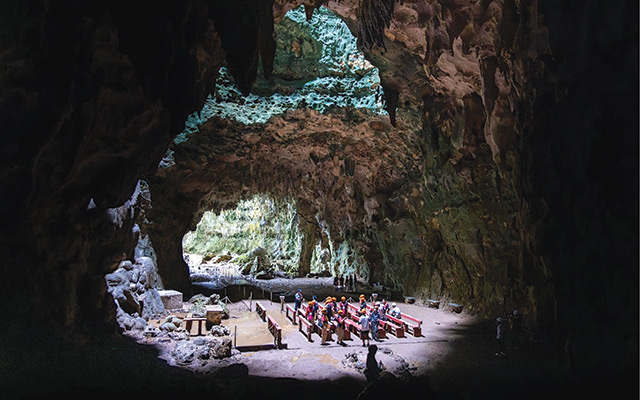
Callao Cave in Cagayan, part of the Philippine Experience Program
To expand traveller interest beyond the popular spots – Boracay, Cebu, Bohol, and Palawan – and the standard sun, sea, and sand offerings, the Department of Tourism (DoT) and the private sector are actively collaborating to discover new destinations and develop a variety of fresh tours and products.
One way the DoT is showcasing its new offerings is through the Philippine Experience Program (PEP). Its initial efforts included completing 12 tourist caravans that showcased 32 provinces, 31 cities, and 51 municipalities nationwide. These immersive journeys – covering living cultures, history, heritage, arts, and wellness – are now available as DIY itineraries and packaged tours through tour operators, NTOs, and digital booking platforms.
Philippine Travel Agencies Association’s executive vice president, Jaison Yang, said: “We recently organised a fam tour to Zamboanga and Basilan in Mindanao, regions historically known for conflict and unrest. For the first time, an NTO visited these areas, allowing our members to witness first-hand the significant progress the government has made in restoring peace and establishing readiness for tourism.”
At press time, Yang shared that there is an ongoing fam tour to Batanes, the northernmost part of the country, which he said had “breathtaking beauty, rolling hills, and the distinct culture of the Ivatan people”.
The PATA Philippines Chapter is also actively supporting the revival of tourism at Pagsanjan Falls, a major tourist attraction before the pandemic, and the surrounding towns of Pagsanjan, Cavinti, and Lumban.
According to chairman Pat Alberto, PATA Philippines is working to revitalise the towns’ tourism by providing tangible support. They have donated boats for the rapids guides, established an education scholarship, and are promoting local handicrafts and flavours through the creation of new tour itineraries.
As for Gregor Zajc, general manager of Blue Horizons Travel and Tours, his company is shining the spotlight on natural destinations, such as the Barracuda Lake in Coron, Palawan, where divers can experience descending through alternating hot/cold layers of fresh and saltwater. Another is Suyac Island in Negros Occidental, celebrated for its pristine surroundings and successful community-led conservation.
Over in Manila, when asked for his thoughts on responsible tourism, Nils Rothbarth, general manager of Lanson Place Mall of Asia told TTG Asia: “Lanson Place has been thoughfully-designed from the building phase onward, using materials that help maintain climate concerns, keep costs and emissions to a minimum, and feature insulated, sun-reflecting windows and the latest technology in air conditioning and building management systems.”
The hotel is currently preparing for its audit for the Green Key Certification, an internationally-recognised sustainability accreditation issued by the Foundation for Environmental Education.
Festivals in the Philippines are usually a colourful spectacle
Cebu, already a top national destination and set to host the 2026 ASEAN Tourism Forum, is not resting on its laurels.
The province has launched new destinations and activities that extend beyond the city into lesser-known regions. These include sightseeing, gastronomy, and heritage tours of Argao and Liloan. For adventure seekers, offerings now feature hiking to Osmeña Peak, a jungle walk to Mainit Hot Spring in Malabuyoc.
Demonstrating leadership in responsible tourism, 14 Cebu hotels have secured A-grade sustainability ratings from the US-based Lever Foundation. Their commitment includes transitioning 30 to 50 per cent of their menus to plant-based options by end-2025.
While responsible tourism usually emphasises environmental factors (like reducing carbon emissions, managing food waste, and conserving energy), other components are equally vital. Demonstrating this broader commitment, the local government of Bohol has proactively halted all whale shark feeding and interaction activities in three municipalities pending further environmental assessments.
With air travel essential for connecting the Philippine archipelago, airports are also playing their part in promoting destinations across the country.
Clark International Airport is actively marketing Clark to international travellers. Simultaneously, Aboitiz InfraCapital Laguindingan Airport Corp. (ALAC) has forged a partnership with the Tourism Promotions Board and Philippine Airlines to successfully reintroduce Bukidnon and Cagayan de Oro (CDO) to top DMCs for community-based tourism.
“While parts of Mindanao have faced caution from travellers due to past security concerns, not all areas reflect this reputation. Areas like Bukidnon and CDO are known for their relatively safe environments, captivating natural landscapes, rich cultural diversity, and unique traditions, giving them tremendous tourism potential,” an ALAC spokesperson said.
China’s State Administration for Market Regulation (SAMR) has placed online travel giant Trip.com Group under investigations for alleged anti-monopoly conduct.
The announcement comes just weeks shy of China’s Spring Festival holidays, a peak travel season when millions of Chinese nationals will take celebratory domestic and international trips.
Trip.com Group is under investigations for alleged anti-monopoly conduct in China
In response, Trip.com Group said on January 14 that it will “actively cooperate with the investigation” and that business operations will not be disrupted.
The SAMR’s probe has caused the company’s shares on Hong Kong Stock Exchange to plummet 17.05 per cent on January 15 – its largest single-day decline since November 8, 2018, according to Dow Jones Market Data.
Trip.com Group has headquarters in both Shanghai and Singapore.
SAMR had previously initiated a similar investigation into Alibaba in December 2020, which resulted in a record RMB18.2 billion (US$2.8 billion at that time) fine for monopolistic practices.
Charles Fisher has been appointed general manager at Four Seasons Hotel Hong Kong. In his new role, he is responsible for leading the hotel’s operations, teams and strategic direction.
He brings more than 20 years of experience with Four Seasons, having most recently served in the same role at Four Seasons Hotel Tokyo at Marunouchi.
Starting his career at Four Seasons Hotel London at Park Lane, Fisher’s career has since included senior roles at The Pierre in New York, Four Seasons Resort Nevis, properties in Singapore and Chiang Mai, Four Seasons Resort Lanai, and Four Seasons Resort Orlando at Walt Disney World Resort.





 Bijayasinee was born and raised in Chiang Mai and has a background in Lanna dance and Thai art. Her professional experience includes roles in Thai media and entertainment, luxury hospitality and more than a decade working as a travel writer across Thailand.


 Starting his career at Four Seasons Hotel London at Park Lane, Fisher’s career has since included senior roles at The Pierre in New York, Four Seasons Resort Nevis, properties in Singapore and Chiang Mai, Four Seasons Resort Lanai, and Four Seasons Resort Orlando at Walt Disney World Resort.