Airlines around the world have announced further adjustments to their flight schedule as the US-Israel-Iran war escalates.
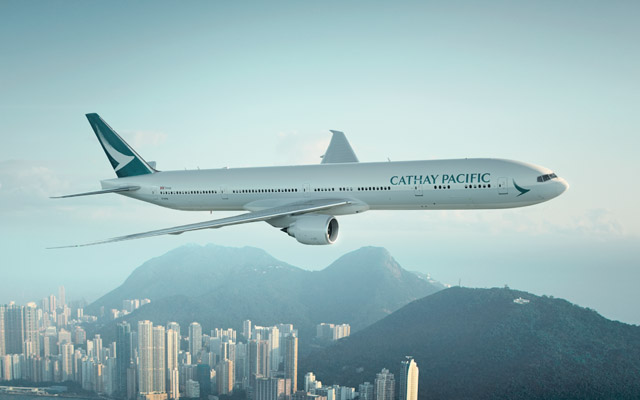
Cathay Pacific said on March 18 that it would cancel its Dubai and Riyadh passenger flights up to and including April 30. Affected travellers are offered the flexibility to rebook, reroute or cancel their tickets.
Cathay Pacific is among several airlines that have extended suspension of flights to and from the Middle East
Scoot announced on March 17 more affected flights between Singapore and Jeddah – these would be suspended until March 28. Its full-service sister, Singapore Airlines, has also extended cancellations of its Singapore-Dubai flights to March 28.
Japan Airlines has suspended its Tokyo-Doha flights until March 31 and Doha-Tokyo flights until April 1.
Lufthansa Group has extended the suspension of its flights to and from Dubai until March 28. These flights were previously cancelled through March 15. At the same time, all airlines of the group will suspend flights to and from Abu Dhabi, Amman and Erbi until March 28; to and from Beirut until March 28; to and from Tel Aviv until April 9; to and from Riyadh until April 5; and to and from Tehran until April 30.
Latest updates from Emirates, Etihad and Qatar Airways show that they will continue to operate a limited flight schedule so as to ensure the safety and security of passengers and crew.
Etihad said “services will operate only once all safety criteria are met”.
The Middle East conflict is costing the travel and tourism industry. The World Travel & Tourism Council said earlier this week that international visitor spend is estimated to be falling by at least US$600 million per day while disruptions to air travel, traveller confidence and regional connectivity are affecting tourism demand across the region.
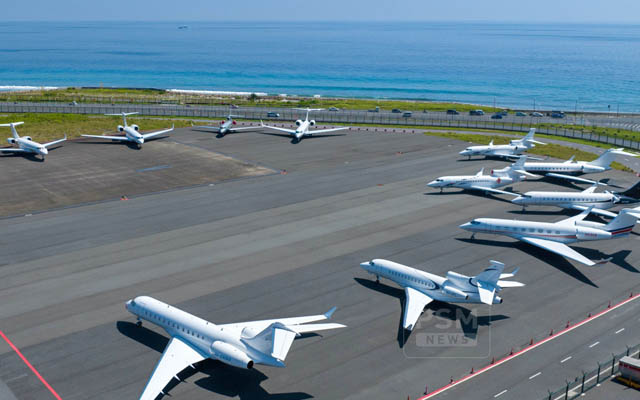
While the Maldives – like most Asian destinations – has seen a sharp drop in tourist arrivals owing to the conflict in the Middle East, a key transit hub for travellers from Europe, the number of private jets bringing high-end visitors has increased significantly.
A total of 128 private jets landed in the Maldives between February 18 and March 14, a 166 per cent increase compared to the same period last year, when 70 aircraft arrived, according to official data.
Private jet traffic to the Maldives has increased as high-end travellers bypass disrupted Middle East transit routes
The figures indicate a shift in travel patterns among high-end travellers seeking direct access to the island destination.
Visit Maldives chairperson Abdullah Ghiyas acknowledged the rise in private jet arrivals but said this segment accounts for less than one per cent of this year’s target of 2.5 million arrivals.
“However, in terms of spending patterns, the revenue is high from this segment of traveller,” he said.
Last year, the Maldives welcomed 2.2 million travellers. While most of the private jets were bringing in Middle Eastern nationals, there were also visitors from Asia and Europe.
To mitigate the impact on arrival numbers, Visit Maldives has called for a unified industry approach to launch joint marketing campaigns.
“These initiatives will specifically target markets such as India, China, Russia, and other Asian regions where travel disruptions have been comparatively less severe, ensuring that demand for the destination remains sustainable,” the state tourism authority said in a statement.
“We are looking at diversifying the market to increase numbers from India, China and Russia, which are unaffected by developments in the Middle East,” Ghiyas said.
Most European traffic travels via Middle East hubs such as Dubai, Doha and Abu Dhabi.
The country manager for a European DMC said the company had lost 11 million euros owing to cancellations. “Of the 4,000 pax, we have seen 2,000 cancellations,” he said, adding that airlines were allowing full ticket refunds to travellers seeking to cancel bookings, while ticket prices have risen along with travel insurance.
Looking ahead, the industry official, who declined to be named, said that the perception of Dubai and other Middle East hubs as safe destinations has been shaken by the conflict, denting confidence in using these transit points.
“Even if the war ends tomorrow it will take several months to restore confidence in the Middle East,” he added.
The Sri Lanka Tourism Alliance has launched a new global campaign titled Love Sri Lanka, Always, aimed at encouraging travel throughout the year and reducing seasonal fluctuations in visitor demand.
The campaign focuses on promoting the island as a year-round destination by highlighting experiences tied to specific seasons, including cultural events, wildlife activity and natural landscapes. It targets selected international markets, with India identified as a key source due to its proximity and air connectivity.
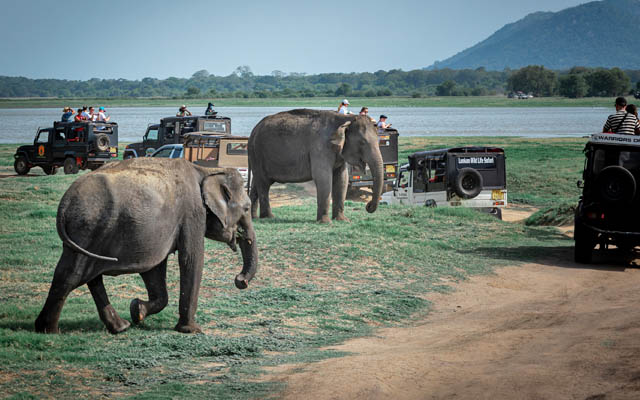
The Minneriya elephant gathering is among the seasonal experiences highlighted in Sri Lanka’s new tourism campaign; photo by Willowtreehouse
Sri Lanka offers a range of travel experiences across short distances, including wildlife, beaches, tea-growing regions and cultural sites. The campaign aims to encourage both short visits and longer itineraries by presenting different aspects of the country at different times of the year.
Key features include seasonal events such as the Minneriya elephant gathering, Vesak celebrations and the Kandy Esala Perahera. These experiences are used to promote travel outside traditional peak periods and to support tourism activity across different regions.
The campaign is delivered through digital channels, using video, photography and targeted marketing to reach travellers during trip planning stages. It also builds on the existing Love Sri Lanka platform, which provides travel information and trip planning resources.
The initiative comes as Sri Lanka continues to rebuild visitor demand. Tourism operators across the country remain active, with destinations open to international travellers.
Hilton has signed two new hotels in Australia and Mongolia, expanding its lifestyle brand in Sydney and its luxury brand in Ulaanbaatar.
In Australia, Hilton will introduce its Motto by Hilton brand with a new hotel in Sydney’s CBD. In Mongolia, the company will enter the market with Conrad Ulaanbaatar, marking its first property in the country.
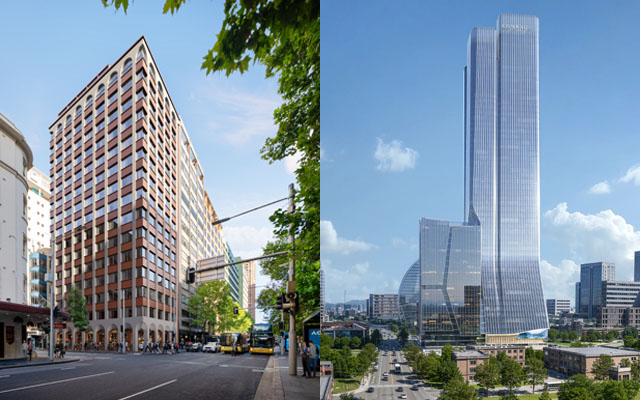
From left: Motto by Hilton Sydney City Centre and Conrad Ulaanbaatar form part of Hilton’s expansion into Australia and Mongolia
Motto by Hilton Sydney City Centre will be located on York Street, close to The Rocks, Darling Harbour and the Sydney Opera House. Scheduled to open in late 2027, the hotel will feature 152 rooms, including interconnecting options for families and groups.
The property will include communal spaces designed for social use, alongside food and beverage outlets such as a café, bar and rooftop venue. Motto by Hilton currently has 10 properties globally, with additional developments in the pipeline.
In Mongolia, Conrad Ulaanbaatar is scheduled to open in 2028 within the Ulaanbaatar Eco Tower, a mixed-use development in the city’s CBD. The 227-room hotel will be located near Sükhbaatar Square, the National Art Gallery and the National Academic Drama Theatre.
Facilities at the property will include four dining venues, about 1,800m² of meeting and event space, and wellness facilities such as an indoor pool and spa.
“This signing reflects our commitment to partnering with owners to deliver meaningful, experience-led luxury for today’s discerning traveller,” said Qian Jin, president for Greater China and Mongolia at Hilton.
Tal Shefer, senior vice president of brand management for Asia-Pacific at Hilton, commented: “With rooms that are designed to flex, and common spaces that are social by nature, Motto by Hilton Sydney City Centre is a perfect example of a cleverly compact launchpad that will connect explorers with the pulse of the city.”
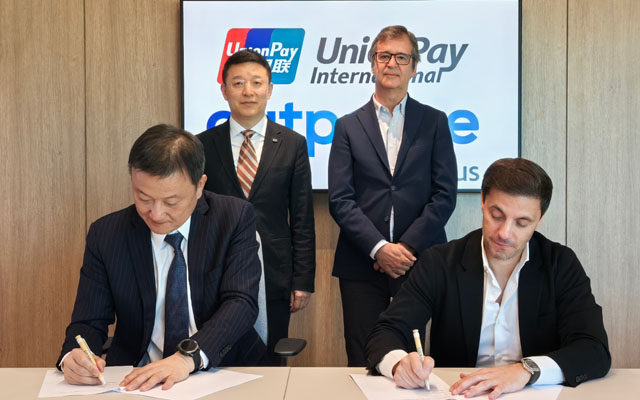
Outpayce from Amadeus and UnionPay International have entered a partnership that will allow airlines to accept UnionPay cards directly through their payment systems.
The agreement enables airlines using Outpayce’s Xchange Payments Platform to process UnionPay transactions natively across both direct and indirect booking channels. Native acceptance is expected to begin in the first half of 2026, with rollout across markets continuing through the year.
The partnership will allow airlines using Amadeus systems to accept UnionPay cards directly across booking channels
UnionPay cards are issued in 85 countries and regions and can be used in 183 markets. The payment method is widely used by travellers in Asia-Pacific, making it relevant for airlines serving Chinese outbound markets.
According to ResearchAndMarkets, Chinese outbound travel is projected to grow at a compound annual growth rate of 13.5 per cent, increasing from US$140 billion to US$386 billion by 2033.
Under the new arrangement, travellers booking through the Amadeus Travel Platform can be redirected to complete payments directly with the airline using UnionPay cards. This allows access to services such as loyalty benefits that may require direct payment with the airline.
For airlines, direct processing of payments is expected to improve cash flow and provide greater control over areas such as fraud management. It also allows airlines to offer consistent payment options across their own websites and third-party distribution channels.
The Amadeus Travel Platform connects travel providers, including airlines, hotels and rail operators, with more than 60,000 travel sellers.
“UnionPay has established a solid presence in the airline payment vertical. By deepening cooperation with Amadeus, UnionPay cards will be fully integrated into the underlying technology of airline distribution,” said Bomme Sheng, global director of UnionPay International.
“We are committed to enabling a smooth payment experience in every channel however the traveller chooses to pay,” added Damian Alonso, head of product and partnerships at Outpayce.
Scenic Group plans to expand its river cruise fleet with three new vessels scheduled to enter service between 2027 and 2028. The additions include one Emerald Cruises ship and two Scenic luxury ships operating in Europe and Asia.
The expansion comes as the company marks its 40th year of operations.
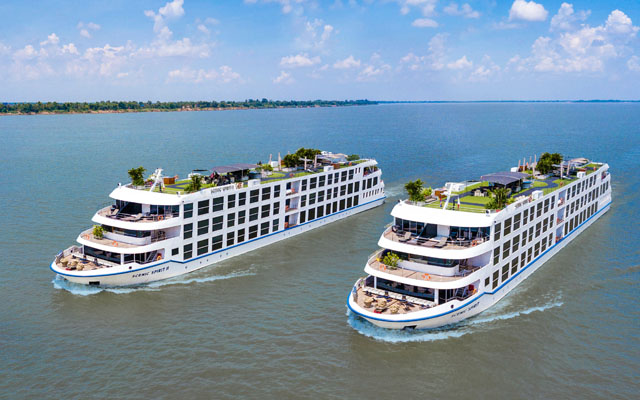
Scenic Group will add three new river cruise ships to its fleet between 2027 and 2028, including vessels operating on the Douro and Mekong rivers; Scenic Spirit and Spirit II, pictured
The new ships are part of a broader fleet expansion programme. Scenic Group has previously confirmed several additional vessels, including Emerald Astra, scheduled to begin service in May 2026 on the Rhine, Main and Danube rivers, and Emerald Lumi, which will operate on France’s Seine River from 2027.
The new vessels will operate on the Douro River in Portugal and the Mekong River in South-east Asia.
The first of the ships, Emerald Nova, is scheduled to begin service in June 2027 on the Douro River. The vessel will join Emerald Radiance and operate itineraries exploring northern Portugal and neighbouring regions in Spain.
One of the routes, the 11-day Douro Highlights: Porto, Salamanca & the Wine Valley itinerary, includes visits to cities and wine regions along the river, with activities such as guided hikes and kayaking.
Scenic Aria, another vessel planned for the Douro River, is expected to enter service in September 2027. The ship will join ScenicAzure and operate itineraries including the 11-day Unforgettable Douro and the eight-day Delightful Douro cruises.
The third vessel, Scenic Spirit II, is scheduled to begin service in early 2028 on the Mekong River, which flows through Vietnam and Cambodia. The ship will expand the company’s presence in the region following increased demand for cruises in South-east Asia.
The company is also introducing new yachts under the Emerald Cruises brand, including Emerald Kaia in 2026, Emerald Raiya in 2027 and Emerald Xara in 2028, as well as the Scenic Ikon yacht in 2028.
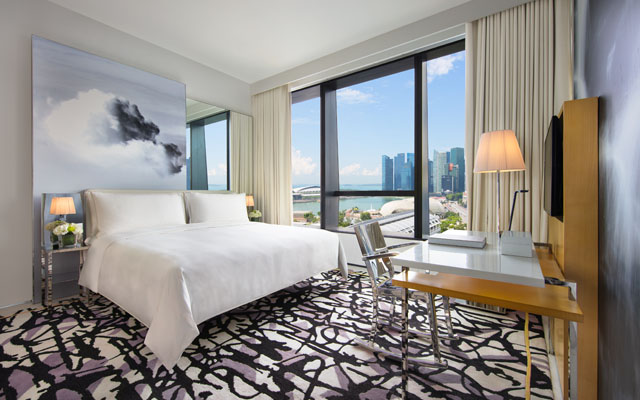
JW Marriott Singapore South Beach has introduced the Stay & Explore package, designed for travellers seeking a city stay with added convenience and access to local attractions.
Located in the Marina Bay area, the hotel provides access to Singapore’s cultural sites, shopping districts and lifestyle attractions. The package includes a minimum three-night stay and a selection of benefits aimed at helping guests explore the city.
JW Marriott Singapore South Beach introduces the Stay & Explore package, combining accommodation, airport transfers and city sightseeing experiences
Guests receive complimentary two-way airport transfers with at least five days’ advance notice, along with a pair of Discover Tickets for either the Hop-on Hop-off Singapore Big Bus Tour or Singapore DUCKtours. Additional tickets can be purchased for extra guests.
The package places visitors close to Marina Bay, City Hall and the arts and civic district, providing access to museums, parks and other cultural attractions. Guests can explore the city by land or water before returning to the hotel.
Within the property, facilities include the Flow18 Sky Garden overlooking Marina Bay. The hotel also offers several dining venues, including Cantonese restaurant Madame Fan, contemporary restaurant Akira Back Singapore and Beach Road Kitchen, which serves international cuisine. Evening venues include the raw bar Fish Pool and the music lounge Cool Cats.
The Stay & Explore package is available for booking now and valid for stays until August 31, 2026. Rates vary depending on room category, stay dates and availability.
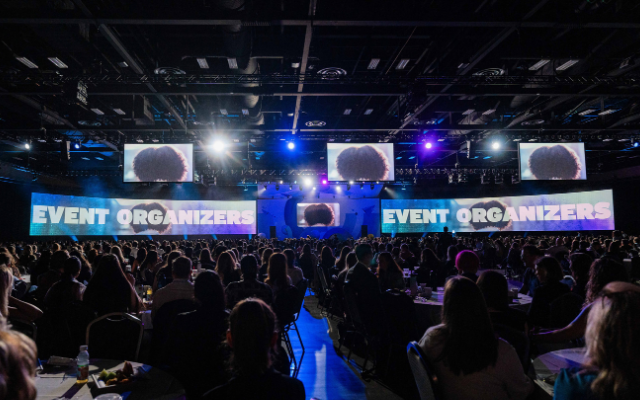
Cvent’s new ebook – Your Top Event Trends for 2026 – breaks down the biggest forces reshaping events today
Events in 2026 will not be defined by flashy formats or the latest buzzwords but by intentionality instead.
Now that AI has become an expectation, audiences are more discerning about how they spend their time.
To help planners, marketers, and hospitality professionals navigate this shift, Cvent has released Your Top Event Trends for 2026, a new ebook that goes beyond surface-level predictions.
Drawing on industry research, planner insights, and real-world examples, the ebook breaks down the biggest forces reshaping events in nine trends and what you can do about them today.
Here are three trends from the ebook and why they matter for your 2026 strategy.
Trend 1: AI goes operational
How you apply AI matters
AI has moved from pilot projects to the core of how modern event teams work. The conversation has shifted from “what’s possible?” to “what’s provable?”
Data from Cvent shows that 66 per cent of event professionals say AI allows them to spend more time on high-value work, underlining its shift from experiment to expectation.
Across the event lifecycle, AI is being used to:
Accelerate sourcing and diagramming, surfacing right-fit venues and layouts faster, with less manual back-and-forth.
Turn survey responses, engagement data, and session behaviour into insights that directly inform future event design, rather than static reports.
Reduce repetitive admin so planners and venues can focus on higher-value work like stakeholder alignment, content strategy, and experience design.
But success is not just about where AI is deployed – it’s about how. Teams are investing in AI literacy, setting clear governance around data usage and tool selection, and tracking impact by looking at: hours saved, faster cycles, better attendee experiences, and stronger outcomes.
Trend 2: Trust becomes a brand differentiator
Events are being shaped by shifting audience expectations
In an AI-saturated, low-trust digital world, credibility is a competitive advantage. People are encountering more algorithmically generated content, more noise, and more ambiguity about what is real – and they are responding by being more selective and more skeptical.
Events stand out precisely because they cut through that fog. They create spaces where:
Conversations are unscripted and human, not canned soundbites.
Products and solutions can be seen, tested, and questioned in real time.
A brand’s values show up in how it treats attendees, not just what it says in a campaign.
Trust is built through hundreds of small signals: accurate floor plans and diagrams, reliable AV and Wi-Fi, clear accessibility information, transparent data practices, and proactive communication when plans change.
For venues and suppliers, this trend raises the bar. Technology needs to operate seamlessly in the background, removing friction so staff can focus on hospitality, not firefighting. Data must be collected with intent, explained clearly, and protected rigorously, because how you handle data is now part of how audiences judge your brand.
The brands that rise to the top in 2026 will be the ones that make trust a design principle, not a tagline.
Trend 3: B2B Still Demands Authentic Emotion
Authenticity with partners translates into long-term relationships and revenue
Even in B2B, buying decisions are emotional before they are rational. In 2026, emotion is what earns attention, mindshare, and action.
The events that stand out will not feel generic or transactional but intentional, human, and story-driven. Strong programs are built around a simple question: “How do we want people to feel when they leave?”
That emotional outcome then shapes everything else – format, content, pacing, space, and sensory cues.
We are seeing this play out in:
Keynotes that borrow techniques from entertainment: using lighting, music, staging, and pacing to create anticipation and focus, not just spectacle.
Space design that supports the desired emotional arc: buzzy, high-energy areas for connection; quiet zones for reflection; intuitive flows that reduce stress and cognitive load.
Local and sustainable touches that give attendees a sense of place and purpose, reinforcing the story the event is trying to tell.
This kind of emotional resonance is a team sport. Event and marketing teams, venues, AV partners, and F&B all contribute to a cohesive narrative. When they are aligned on the feeling that they are trying to create, the experience becomes far more memorable – and far more likely to translate into long-term relationships and revenue.
See all nine event trends shaping 2026
These are just three of the nine trends reshaping how events are designed, sourced, and measured in 2026. If you are planning your next year of programmes, or rethinking how events support your broader go-to-market, you want the full picture: data points, practitioner quotes, and concrete ideas you can put into play now.
Download Your Top Event Trends for 2026 to explore all nine trends, see how leading teams are responding, and get practical guidance to build an event strategy that is more intentional, more human, and more accountable in the year ahead.
Tourplan, a software provider for tour operators and destination management companies, has appointed Eduard Liebenberger as chief technology officer (CTO).
He brings more than 25 years of experience in technology leadership, with roles across New Zealand, Australia, Germany, the UK and Austria. He joins from Streamliners, where he was CTO, and has previously held senior roles at Jade Software and William Hill, leading digital transformation and product engineering teams.
The escalating conflict in Iran is already affecting the travel and tourism sector across the Middle East, with international visitor spending estimated to be falling by at least US$600 million per day, according to the World Travel & Tourism Council (WTTC).
The organisation said disruptions to air travel, traveller confidence and regional connectivity are affecting tourism demand across the region.
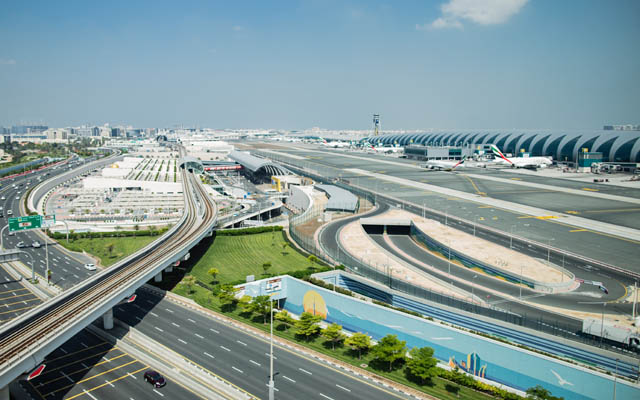
Major aviation hubs in the Middle East have faced disruptions as the conflict in Iran affects regional travel demand; Dubai International Airport, pictured
The Middle East accounts for about five per cent of global international arrivals and 14 per cent of global transit traffic. Disruptions in the region therefore affect a wide range of sectors including airlines, airports, hotels, car rental companies and cruise operators.
Major aviation hubs such as Dubai, Abu Dhabi, Doha and Bahrain, which normally handle about 526,000 passengers per day, have experienced closures and operational disruptions as the conflict escalates. These interruptions have affected both regional and global travel connectivity.
WTTC said its estimate is based on its 2026 pre-conflict forecast, which projected US$207 billion in international visitor spending across the Middle East this year.
Despite the disruption, the organisation said the travel and tourism sector has historically shown strong recovery following security-related crises.
Previous WTTC research indicates that tourism demand can recover within about two months when governments and industry take steps to restore traveller confidence.
“Travel and tourism is the most resilient of sectors. Our analysis of previous crises demonstrates that security-related incidents often see the fastest tourism recovery times, in some cases as quickly as two months, when governments and industry work together to restore traveller confidence,” said Gloria Guevara, president and chief executive officer of WTTC.
“Clear communication, strong coordination between the public and private sectors, and measures that reinforce safety and stability are critical to rebuilding trust with travellers and supporting the sector’s recovery.”
WTTC said it will continue monitoring developments and remains in contact with governments and industry leaders regarding traveller safety and sector recovery.







 He brings more than 25 years of experience in technology leadership, with roles across New Zealand, Australia, Germany, the UK and Austria. He joins from Streamliners, where he was CTO, and has previously held senior roles at Jade Software and William Hill, leading digital transformation and product engineering teams.