 Let’s talk about your new opening, Nora Beach Club.
It’s a new model – no one else in Phuket has done this, at least not to my knowledge. We put a beach club right in the precinct of the hotel in Bangtao, an area with many beach clubs. However, Nora is the closest one to Laguna, and it’s doing well. Initially, I was concerned about potential conflicts because beach clubs can be noisy, which might disturb guests who come to relax. So, we toned it down and focused more on family-friendly dining, creating a beach club restaurant vibe. This approach has been successful. We’re still in the process of completing the second phase of development ahead of the next high season.
Can you tell us more about your social media strategy?
Everyone checks out places through social media first. Thai people typically use Facebook, others use Instagram, and the Chinese use TikTok and Weibo. So, we need to be present on all these channels. We’ve realised that our target audience is generally millennials, aged 20 to 40. They come to take photos but often don’t spend as much as older guests who have families and order bottles of wine, which significantly boosts revenue.
Thus, we focus more on catering to families and the older generation.
We’ve invested in social media to attract external customers to our F&B outlets. Historically, restaurants in hotels were seen as pricey, deterring some guests. By promoting our F&B outlets as standalone entities, we’ve increased awareness and attracted more external guests. This has worked well, especially for our beach club, with a significant portion of revenue coming from local residents and expats.
You’ve mentioned Amora’s family-focus in the past.
That’s right – even though I am a second-generation owner, I don’t consider myself to be targeting millennials or developing a millennial brand. Amora’s core has always been (about) trustworthy corporate hospitality. We’ve transitioned towards leisure, especially in Phuket, where leisure dominates the market. Family travel is the best form of leisure, particularly for Asian markets. They travel collectively, which means more rooms and on-site spending.
Our model promotes eight hours of sleep, eight hours of F&B, and eight hours of activities, like football, volleyball, archery, Muay Thai, and yoga – we provide these activities onsite, to ensure guests spend more time at the resort, because the longer they stay in the hotel, the more they spend.
What type of revenue distribution do you aim for in your hotel?
Luxury hotels can usually aim to achieve a 50/50 or 60/40 split between room revenue and F&B. Budget hotels should focus more on room revenue, around 90-95 per cent, due to the lower payroll costs for chefs and wait staff. We’re upscale, targeting a 70/30 or 60/40 split, including conferencing. Today’s travellers view hotels as integral to their destination experience, so we’re aiming to provide upscale yet accessible offerings, not entirely luxury.
Can you tell me more about the recent Brisbane opening?
We bought the property in 2020 during the Covid-19 pandemic. After quarantine ended, we spent around A$30 million (US$19.99 million) on rebranding and renovation, including rooms, conference centres, pools, restaurants, bars, and the lobby. The grand opening was in February.
Brisbane is an emerging market, especially with the upcoming 2032 Olympics, which has significantly boosted asset values.
We’ve heard you’re opening a new corporate office, with a vision towards doubling your hotel portfolio from six to 12 hotels over the next five years. Why now for a corporate office, and why have you chosen Sydney?
I come from an investment banking background. Starting a corporate office and hiring key professionals in operations, F&B, and financial control fosters innovation – these executives bring different areas of expertise. By sharing ideas, we bring different perspectives to the table, leading to innovative solutions and a fresh energy within the company.
Sydney is home to key members of our team, including our vice president and director of culinary, and it’s our flagship property. It made sense to establish our corporate office where most of our team is located, ensuring effective collaboration and management.
Can you tell us what are the challenges and opportunities of being an independent hotel brand? Where does your new guest recognition programme come into play?
Independent hotels can offer personalised service, making guests feel valued. However, the challenge lies in distribution, as big brands have extensive networks. We aim to overcome this by focusing on high-quality guests and strategic partnerships.
We have a membership programme offering discounted rates, but a full-fledged loyalty programme will come once we scale up to 10 to 12 hotels. Our current focus is on personalised service, knowing our guests’ preferences before they arrive to enhance their experience.
Finally, you’ve told us that you see opportunities to create synergy between the South-east Asia and Australia markets.
There’s a big opportunity for Southeast Asia-Australia tourism. South-east Asian travellers to Australia are fewer than to Europe, but many Australians also vacation in South-east Asia. Building this connection is key, especially since most South-east Asian visitors are first-timers who explore multiple cities. This untapped market is what excites us.
However, domestic travel remains the main revenue driver in Australia (usually 70 to 80 per cent). While South-east Asian tourism offers diversification, a strong domestic market provides stability, as seen in Australia’s quicker Covid recovery compared to Thailand.





 She is also the founder of Wedding in Thailand, a company providing bespoke weddings and events in Krabi, Phuket and other locations in Southern Thailand.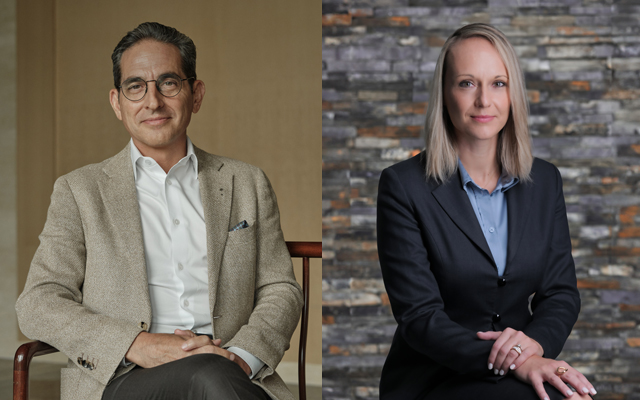









Emirates has taken its product experience from air to ground, launching its first travel store in Hong Kong last week.
As the first in the Far East region, the 1,500m² concept store is located in Nexxus Building in Central and offers a relaxing, lounge-like environment with four dedicated customer service counters catering to flight reservations, ticketing and general enquiries.
Sizeable interactive screens set up throughout the store encourage customers to capture selfies with friends against iconic Emirates backgrounds. In addition, smart technology-powered self-service screens minimise wait times and facilitate faster service, while LED screens showcase the latest Emirates products and promotional offers.
Another key highlight is a limited-time Premium Economy Class seat display for customers’ first-hand preview.
According to senior vice president, commercial operations, Far East, Orhan Abbas, there are plans to expand similar stores across Emirates’ network.
The airline has recently signed a memorandum of understanding with the Hong Kong Tourism Board to boost inbound tourism to the city from various key areas across Europe and the Middle East.
In addition, it also re-opened the Emirates Lounge at Hong Kong International Airport after a revamp, while coverage of its complimentary chauffeur-drive service has been extended to include Business Class passengers in Hong Kong.