


AirAsia Group deploys SITA Mission Watch to track flights across airlines

AirAsia Aviation Group and AirAsia X have strengthened partnerships with SITA, adopting SITA Mission Watch to ensure safer and more efficient airline operations across seven airlines.
SITA Mission Watch is a flight tracking and flight monitoring solution, delivering comprehensive weather visualisation and shared situational awareness between the operations control centre and the cockpit through advanced alerting and messaging systems.
With a user-friendly interface and seamless integration with other applications, it provides a single platform to enable synergies across AirAsia. Now deployed at AirAsia Malaysia and AirAsia X, AirAsia Philippines, AirAsia Indonesia, Thai AirAsia, Thai AirAsia X, and AirAsia Cambodia, SITA Mission Watch supports AirAsia in managing over 200 aircraft serving more than 130 destinations in 22 countries.
SITA Mission Watch maps each aircraft’s latitude, longitude, altitude, and time to provide 4D/15 visibility that meets and exceeds ICAO’s Global Aeronautical Distress and Safety System mandate on tracking requirements, a top priority for AirAsia.
By incorporating real-time weather data aggregated from multiple sources, the solution also gives flight dispatchers the capability to anticipate potential issues before they happen and take steps to resolve them proactively, thanks to ease of communication with the cockpit through integrated messaging services.
Chester Voo, deputy group CEO (Airline Operations), AirAsia Aviation Group, said: “SITA has brought all seven airlines across the AirAsia Group and AirAsia X to the cutting edge of flight tracking technology, allowing us to go above and beyond industry safety standards, streamline our operations through a single platform, and boost the ease of collaboration between our flight dispatchers and pilots to resolve any potential issues before they happen.”
“In delivering the next generation of flight tracking technology to all AirAsia member airlines, we’re helping dispatchers work smarter and safer, while staying one step ahead of changing conditions,” added Yann Cabaret, CEO of SITA For aircraft.
Seek wellness with Avani+ Hua Hin Resort’s new well-being clinic

Avani Hotels & Resorts has launched AvaniWell, the brand’s first well-being clinic, at Avani+ Hua Hin Resort in Thailand, inviting guests to discover the true meaning of well-being with guidance from AvaniWell’s team of experts through weekend resets, staycations and weekly well-being programmes.
AvaniWell offers a personalised path to well-being through a choice of traditional and modern practices. Treatments include Pao Ya Fire Rebalance to alleviate bloating by placing heated herbal bundles on the stomach and Chae Ya Power Baths infused with medicinal herbs to relieve tension and cure skin irritations. There is a focus on Salt Pot Healing, which releases tension throughout the body using hot salt compresses and aromatic oils.
Guests can also experience traditional Middle Eastern well-being practices at the dedicated hammam with a choice of massage and cleanse, before sinking into deep relaxation on a heated marble bed.
The AvaniWell concept goes beyond its four walls with healthy menus that are designed to suit vegan, paleo and gluten-free diets available at all five resort bars and restaurants. For a deep dive into diet and gut health, AvaniWell’s Vitality in the Kitchen workshops and Cleanse & Boost mixology classes are open to all ages, sparking healthy habits for little ones, as well as providing key takeaways to enhance daily routine.
From now till December 20, Avani+ Hua Hin Resort is offering a two-night AvaniWell Weekend Opening Offer which starts from 13,500 baht (US$372) per person. The package comprises a two-night stay for two staying in an Avani Deluxe Room; choice of either a 60-minute TTM consultation and treatment, a 60-minute physiotherapy session, a 40-minute IV Drip or a 50-minute ELEMIS Facial; choice of a 60-minute massage, a 60-minute salt scrub or a 60-minute manicure or pedicure; complimentary hospital-grade Body Composition Scan and results; and complimentary Cleanse & Boost mixology class.
For more information, visit Avani+ Hua Hin.
Japan faces fuel shortage woes

A jet fuel deficiency in Japan is hampering the operation and expansion of international flights and threatening to curb the rapid growth of inbound tourism that has seen 17.8 million visitors arrive during the first half of this year.
The shortfall is caused by supply chain bottlenecks and a lack of domestic vessels, lorries and labour. As Japan has been consolidating its oil refineries in recent years, the fuel has further to travel by ship and truck, but rules require such ships to be manned by Japanese crews and regulations enacted in April limit overtime hours for truck drivers.

With 35 million foreign travellers expected in 2024, which would surpass the record 31.9 million who arrived in 2019, the Japanese government has launched a multi-pronged plan to tackle the fuel deficit. It is designed to help prevent further disruption, includes operational difficulties, flight cancellations and the shelving of plans to expand flight numbers and routes.
At Hiroshima Airport, three international flights experienced disruption in their operations in May due to the fuel shortage.
In late June, six airlines scrapped plans to add a total of 57 flights to their weekly schedules at Narita International Airport. Some airlines even reduced the number of seats sold to passengers to carry enough fuel for the return flight, said airport officials.
Korean Air has cancelled charter flights to Obihiro Airport, Hokkaido, in July and August.
Looking ahead to the year-end travel peak, Qantas Airways and Singapore Airlines have cancelled their snow season flights to New Chitose Airport, Hokkaido, over concerns about procuring sufficient fuel for the return journeys.
Five airlines have cancelled plans to add more flights or launch routes through Fukuoka Airport, while Kumamoto Prefecture has reported difficulties in persuading airlines to increase flights at its local airport.
Kyoji Kuramochi, head of the Ministry of Land, Infrastructure, Transport and Tourism’s Aviation Network Department, said the situation poses a particularly serious problem as Japan aims to increase inbound tourism in regional areas.
In response to the shortage, the ministry plans to add more tankers to domestic routes, use spare tankers to transport aviation fuel, and introduce a new method of collecting data from airports to provide fuel suppliers with earlier notifications regarding new routes and flights.
Narita International Airport will accept imported jet fuel for its fuelling and transport facilities, for the first time, in July. Its operator has also asked traders to procure jet fuel directly from overseas refineries by international shipping vessels, rather than stopping at Japanese refineries enroute.
The Petroleum Association of Japan, meanwhile, has called on international carriers to provide supply requests about a year in advance so they can “understand demand and make preparations”.
With the government aiming for a net-zero society by 2050, use of sustainable aviation fuel (SAF) is growing but is yet to be a viable solution. By 2030, SAF is set to account for only 10 per cent of fuel powering international flights using Japanese airports.
Still, airlines are also setting their own targets.
Japan Airlines (JAL) signed an agreement with Enos this month for the purchase and sale of SAF in Japan, making Enos the first domestic oil wholesaler to import SAF and supply it to JAL. The airline aims to replace one per cent of its total fuel load with SAF in fiscal year ending March 2025.
Grand Hyatt Singapore attributes success to team members, hosts appreciation lunch for retired staff
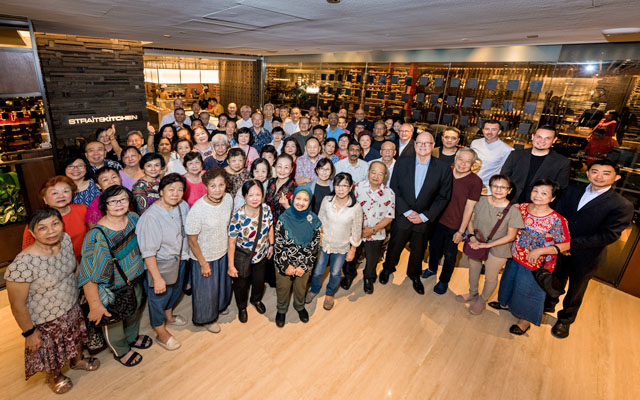
Grand Hyatt Singapore’s solid HR pillar, where the longest length of service is over 53 years and the average length of service of current associates is 17 years, is the bedrock of its multi-year transformation.
Prior to its progressive reopening on July 10, the hotel created a simulation lunch at local cuisine-focused StraitsKitchen to welcome back and thank 100 retired former staff who have contributed to Grand Hyatt Singapore’s legacy, and critique their experience.
Hotel manager Parveen Kumar, said: “Reopening after nearly two years of temporary closure has been a significant endeavour for all the teams.”
The robust training programme included a mass orientation programme for current and new associates to get all the teams up to speed and ready to deliver “the exceptional service guests have come to trust us with”, he added.
“Our experienced team members have been instrumental in this process, guiding new hires and sharing their wealth of knowledge and expertise. Their dedication and commitment have been invaluable in helping new associates quickly adapt to and embrace the Grand Hyatt Singapore spirit.”
In its commitment to hire, nurture talent and instil the Grand Hyatt Singapore work culture, Kumar said management is keeping team members motivated by focusing on promoting and retaining diverse talent and supporting colleagues in their areas of development.
The fostering of an inclusive and supportive environment that celebrates diversity and encourages collaboration helps build strong relationships among team members, promote a sense of belonging and drive collective success, he commented.
He cited the example of a young sales manager’s thoughtful approach to mapping out the tour route for lunch attendees, taking guests outdoors first to the Butterfly Garden and then indoors to keep everyone cool, as a perfect example of extending care and personalising each interaction.
The reopening showcases the nature-inspired Terrace Wing, the enhanced Fitness Centre and 25-metre lap pool, StraitsKitchen, night spot BRIX, as well as 10|Scotts, which will operate as the Grand Club Lounge until early 2025.
When the Grand Wing reopens in early-2025, the hotel will complete its evolution into a Grand Living Room and Wellness Haven with 699 guestrooms and suites.
Mandai Wildlife Reserve gears up with new offerings at Night Safari, Singapore Zoo

Singapore’s Mandai Wildlife Reserve will be launching new experiences inside Night Safari with a new trail, and a new marine coastal exhibit with an F&B hub at Singapore Zoo.
Night Safari is celebrating its 30th year with a new 280m-long walking trail where visitors can look out for about a dozen different animal species including the Sunda pangolin, slow loris, binturong, oriental small-clawed otter and spotted giant flying squirrel.

The new Pangolin Trail will be the first fully sheltered walking trail at Night Safari, allowing guests to explore the jungle and its mysterious denizens at night under all weather conditions. The trail is easily accessible from the entrance of the park.
Also new at the world’s first nocturnal animal park is a brand-new bull elephant habitat featuring a ‘stable grazer’ that releases hay at random timings to encourage Chawang, the park’s iconic Asian bull elephant, to forage more actively, as well as a new look-out deck that allows visitors to observe the giant pachyderm at close range.
Over at Singapore Zoo, a new marine coastal habitat for the Californian sea lions and African penguins is in the works, scheduled to open in 2027. The existing sea lion and penguin exhibits have been closed since July 15 to make way for the fresh experience, which will be the first underwater-viewing habitat in the zoo to be integrated with an F&B venue. Diners at the first level restaurant will have underwater views of the marine mammals. On the upper level is a bistro where visitors can have vantage views of the sea lions basking in the habitat.
In the mornings, the upper floor outside the bistro will also host Singapore Zoo’s signature dining programme, Breakfast in the Wild. Additionally, a new banquet hall next door, almost twice the size of the zoo’s current Forest Lodge event space, will be able to accommodate larger groups of up to 400 pax. Outside this banquet hall are spaces that can be set up for a host of curated experiences including animal interactions.
Cheng Wen-Haur, deputy CEO and chief life sciences officer of Mandai Wildlife Group, shared: “The new Pangolin Trail tells the story of our ongoing mission to conserve this critically endangered species, with a holistic plan to protect them both in the wild, as well as in our care. The trail will offer guests the unique experience of seeing and learning about the shy and elusive pangolin being active at night.
“By offering a range of memorable and meaningful wildlife experiences, the Mandai Wildlife Reserve is a window into the wild for our guests. We hope to inspire our guests to better appreciate nature and join us in our efforts to protect threatened wildlife.”
Radisson Hotel Group adds three new hotels in the Philippines
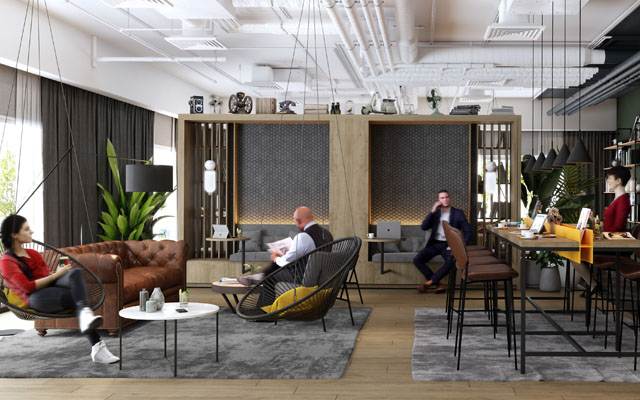
Radisson Hotel Group has signed on three new properties in the Philippines, adding more than 450 keys to its portfolio in three first and second-tier destinations – Cauayan City, Olongapo and Dasmarinas.
The three hotel signings include Park Inn by Radisson Cauayan Isabela, Park Inn by Radisson Olongapo Central, and Park Inn by Radisson Dasmarinas.
Park Inn by Radisson Cauayan Isabela is a new upper-midscale property that will become the first internationally branded hotel in Cauayan, a city in the province of Isabela, Luzon Island. It is positioned atop the existing SM City Cauayan Mall and will feature 151 rooms, a lobby bar, restaurant, gym, swimming pool, kids’ pool, three meeting rooms and a pre-function area when it opens in 2Q2027.
Park Inn by Radisson Olongapo Central is a brand-new hotel overlooking Subic Bay on the west coast of Luzon Island. Making its debut in 1Q2028, the hotel will comprise 151 rooms, lobby bar, F&B, swimming pool with pool deck, lounge and kids’ pool. It will also be located next to the SM Olongapo Central Mall.
Park Inn by Radisson Dasmarinas will form part of the extension of the existing SM City Dasmarinas shopping mall, which is a 50 minutes’ drive away from Manila’s Ninoy Aquino International Airport. When it opens its doors in 4Q2027, the property will feature 151 rooms, a lobby bar, F&B, grab & go kiosk, swimming pool with a pool deck, lounge and kids’ pool.
Radisson Hotel Group currently operates six hotels in the Philippines, with other hotels in the pipeline such as Park Inn by Radisson, Radisson, and Radisson RED hotels in Cebu, a Radisson Collection hotel in Boracay, and a Radisson Individuals member in Bohol.
Godmother Meghan Trainor graces summer party on Utopia of the Seas

Royal Caribbean International and Grammy-winning singer and songwriter Meghan Trainor rang in the celebrations on Utopia of the Seas with a summer party in Port Canaveral (Orlando), Florida.
As godmother of the new vessel, Trainor officially introduced Utopia in an official naming event on board with more than 4,000 partygoers, the legendary Rev Run and DJ Ruckus at the turntables, Royal Caribbean crew members and executives, and more, just days ahead of the ship’s debut on July 19.
The All That Bass star took centre stage on the iconic open-air AquaTheater to bestow safekeeping onto the ship, its dedicated crew and the millions who will celebrate on Utopia for years to come.
“Becoming Utopia’s godmother and being here for this incredible celebration with Royal Caribbean is a dream come true,” said Trainor. “From performing on a breath-taking stage while we’re in the middle of the ocean to having my fans here to sing and dance with me and experiencing it all with my family – Utopia really is the ultimate short getaway. I’m so honoured to be part of the memories so many will make here.”
Vietjet, Airbus ink deal for 20 A330neo aircraft at Farnborough Airshow

Vietjet has signed an agreement with Airbus for the purchase of 20 new-generation wide-body A330neo (A330-900) aircraft, totalling US$7.4 billion by the manufacturer’s list price, at the Farnborough International Airshow 2024.
This represents one of the largest deals at this year’s Airshow.

The newly-ordered aircraft will be deployed for Vietjet’s growing longhaul services as well as on routes with high demand in the region. They are slated to replace Vietjet’s current fleet of A330-300 and support the airline’s strategic plan to expand its intercontinental flight network.
With a fleet of over 105 aircraft and constantly growing passenger volume, Vietjet is actively expanding its intercontinental flight network, developing new and modern fleets in collaboration with global strategic partners such as Airbus.
Vietjet’s chairwoman Nguyen Thi Phuong Thao remarked: “The introduction of advanced, fuel-efficient A330neo aircraft into Vietjet’s fleet is part of our sustainable development strategy and ESG goals, aiming for net-zero emissions by 2050. Passengers will soon enjoy safer, more comfortable, and modern longhaul flights.”
“The award-winning Airspace cabin enables airlines to provide the best flight experience for passengers, fully adaptable to each business model. This will be the perfect platform for Vietjet Air to fly more people, farther and at lower cost, while also reducing fuel consumption and carbon emissions,” added Benoît de Saint-Exupéry, executive vice president sales, Airbus Commercial Aircraft.
Kids have a blast this summer at The Mulia Bali

This summer, The Mulia, Mulia Resort & Villas – Nusa Dua, Bali invites families with children to experience fun at the beachfront paradise.
Young guests can enjoy a variety of kid-friendly activities and experiences, from the Mulia Kidz Club to the T-Zone, water park, bouncy castle, daily games and crafts, to feasts and bonding time for the whole family.
Mulia Bali has built a joyful and entertaining haven where children can explore and create Children aged three to eight in the Mulia Kidz will be kept busy with creative crafts and interactive games, as well as have fun on the mega bouncy castle on the beach.
The newly-launched Mulia Kidz Explorer is an activity centre for children aged six to 12, which features interactive games that combine technology and physical play, a safe wall climbing facility, to name some.
The T-Zone is located next to the Splash Pool and offers teenagers an array of activities from skill-based sports like water aerobics to recreation like mahjong games and limbo contests.
Mulia Bali also offers a variety of enriching activities for children, designed to enhance their skills and physical fitness. These include swimming classes, tennis academy, yoga sessions, culinary classes, and more.
For more information, visit The Mulia Bali.








Plaza Premium Group (PPG) has completed its expansion project in Chongqing, China with the opening of its third Plaza Premium Lounge, which is integrated with an airport dining establishment, Jon Ramen, at Chongqing Jiangbei International Airport.
This new lounge marks PPG’s third location in the airport, and follows the previous openings of the first Plaza Premium Lounge and Jon Ramen at Pier E, Domestic Departures in November 2023 and the second one at Pier H, International Departures in April 2024.
The newly-opened lounge is located on the fifth floor of the departure level in Terminal T3A landside, behind Check-in Counter 3C, spanning 185m² and accommodating up to 35 guests. Unlike traditional lounges, PPG has partnered with a renowned ramen chain in China for the first time, housing both Plaza Premium Lounge and Jon Ramen under one roof.
The lounge features comfortable sofa seating, work environment, flight information displays, charging facilities, and a multi-functional meeting room capable of hosting up to 22 people.
To create a holistic journey for travellers, PPG will establish a professional concierge team at Chongqing Jiangbei International Airport, offering comprehensive services to complement the Plaza Premium Lounge experience, including paid transit services, baggage handling, fast-track security, and customised travel assistance for special needs passengers.
Additionally, PPG will soon introduce buggy car service at Chongqing Jiangbei International Airport to enhance passenger experience.