


The Asia-Pacific region has emerged as a key driver of growth for Norwegian Cruise Line (NCL), both as a significant source market and a popular destination for its global clientele.
According to Ben Angell, vice president and managing director of NCL Asia Pacific, the region has experienced a remarkable recovery post-lockdown.

Bookings from South-east Asia and Hong Kong have seen robust growth since 2022, particularly for European cruises.
NCL is witnessing increased demand for fly-cruise travel from Asia to Europe and Alaska, as more travellers from the region recognise the value and convenience of cruising, a mode of travel that allows them to explore multiple destinations while only unpacking once.
Angell emphasised that cruises offer excellent value for money when compared to land-based holidays, as they bundle accommodations, F&B, entertainment, and more into a single package, making them an attractive option for travellers.
Damian Borg, director, sales, strategy and operations, Asia Pacific, highlighted the shift in demographics post-lockdown.
He shared: “More younger travellers from Asia are now choosing a cruise holiday. The average age for fly-cruisers to Alaska and the Mediterranean is now around 45 to 55 years old. Couples make up the majority of the market but solo travellers and multi-generational cruisers are increasing in significance.”
Borg noted that for working adults from Asia, seven- to 10-night cruises are particularly popular. Pre-pandemic, cruising was primarily favoured by affluent retirees, who typically chose trips lasting 12 to 15 days.
With ongoing improvements in air connectivity and capacity, Borg is optimistic about the outlook for 2025. He anticipates strong demand from Asian travellers choosing fly-cruises to destinations like Europe, the Mediterranean, and Alaska and to a lesser extent closer to home.
India is emerging as an important source market for NCL’s incentive travel cruises to Europe, the Mediterranean, Alaska, and Asia. Additionally, source markets like Taiwan, Hong Kong, and Singapore are showing promise for incentive travel.
Borg identified a key challenge in growing the business events segment is encouraging corporate clients to book group travel at least 12 months in advance to secure the best prices and cabin availability.
Working with travel agent partners is key to NCL’s success in developing the cruise market from Asia, both the leisure and MICE segments.
Through its representative offices in Hong Kong and Singapore, NCL is working with partner agents in Asia to educate them on its products and help them grow sales.
NCL is also introducing several new ports of call for its Asia-Pacific itineraries from September 2024 through March 2026. These include Albany, Busselton, Fremantle, Port Douglas, and Townsville in Australia; Matsuyama and Niigata in Japan; Aitutaki in the Cook Islands; and Suva in Fiji.
Its newest ship, Norwegian Aqua, is set to debut in April 2025 with seven-day Caribbean itineraries departing from Port Canaveral. Additionally, four Prima-Plus class ships are scheduled to launch between 2025 and 2028 which are set to showcase the continued evolution of the product. These will be followed by four more ships with a capacity of nearly 5,000 guests each, debuting between 2030 and 2036.
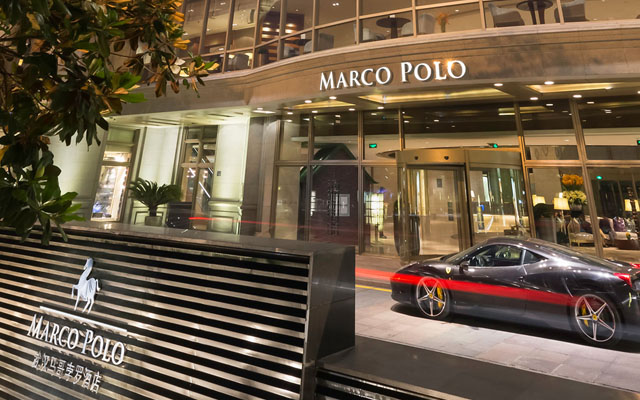
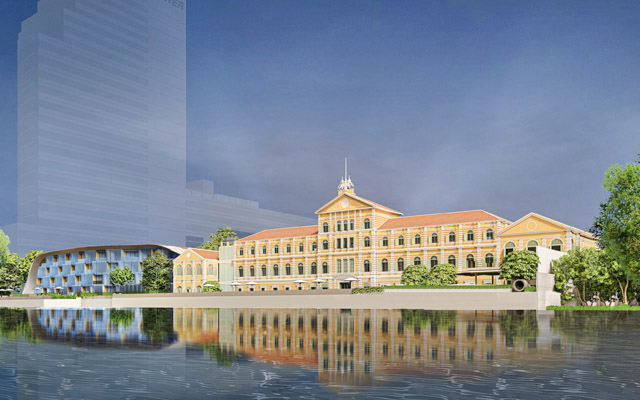


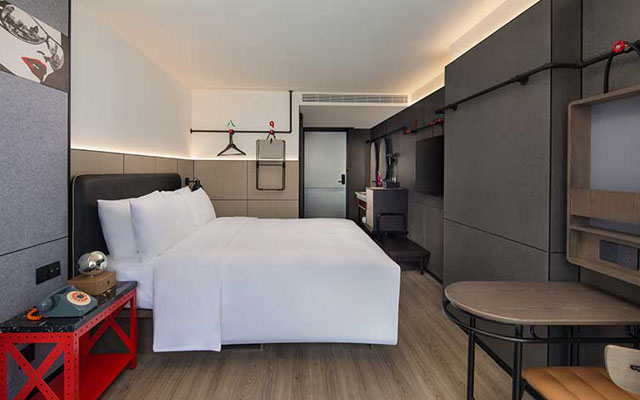

 Prior to joining Shinta Mani Angkor and Bensley Collection Pool Villas, he was the pre-opening general manager for Mercure Bangkok Surawong.










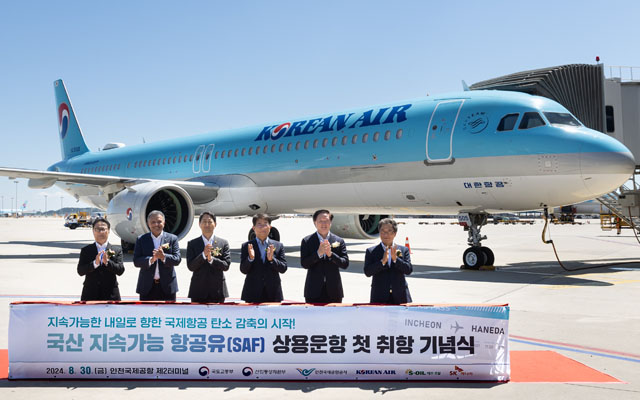
Korean Air will commence using domestically-produced sustainable aviation fuel (SAF) for the first time on flight KE719 from Seoul Incheon to Tokyo Haneda, making the airline the first Korean flag carrier to operate commercial flights partially powered by SAF produced in South Korea.
From August 30, 2024 through July 2025, Korean Air will utilise a one per cent SAF blend for flight KE719 from Seoul Incheon to Tokyo Narita once a week. This route will serve as a starting point for the airline’s domestic SAF programme, with plans to gradually expand SAF usage to medium- and longhaul routes.
The SAF used on this route is supplied by two leading energy companies in South Korea: S-Oil and SK Energy. S-Oil will provide the SAF for the first six months, followed by SK Energy for the remaining period. S-Oil produces SAF from used cooking oil, while SK Energy utilises a combination of used cooking oil and animal fats. Both companies’ SAF products have been certified by the International Civil Aviation Organization under the Carbon Offsetting and Reduction Scheme for International Aviation, ensuring they meet international sustainability standards.
With the adoption of SAF gaining momentum globally, South Korea is also laying the groundwork for SAF market growth. In 2022, the country’s Ministry of Land, Infrastructure and Transport along with the Ministry of Trade, Industry and Energy announced the Eco-friendly Biofuel Expansion Plan to establish quality and production standards for domestically-produced SAF. In August 2024, the government amended the Petroleum and Alternative Fuel Business Act to permit the use of eco-friendly materials in petroleum refining processes.
Korean Air has been implementing SAF in its operations since 2017 when it first used SAF for a passenger flight from Chicago to Seoul Incheon. The airline has since expanded its SAF usage to passenger flights between Paris to Seoul Incheon.
In 2023, Korean Air conducted six test flights as part of a government-led SAF demonstration research project, contributing data towards the development of domestic SAF quality and production standards.
Korean Air continues to upgrade its fleet with next-generation aircraft models, including the Airbus A220-300, A321-neo, Boeing 787-9, 787-10, and 737-8, which offer 20 to 25 per cent lower carbon emissions per seat compared to previous generation aircraft.