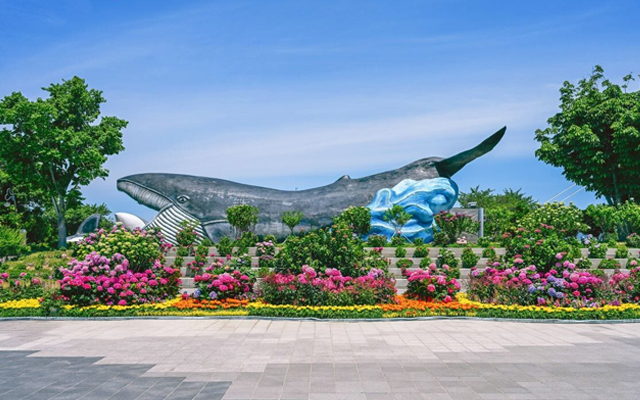
Ulsan’s Namgu, known for its eco-cultural sites and whale heritage, will host the Jangsaengpo Hydrangea Festival from June 7-29 at Jangsaengpo Whale Culture Village in South Korea.
Themed Jangsaengpo, Drenched in Hydrangeas, the festival takes place over 102,705m² and focuses on the Osaek Hydrangea Garden, where more than 30,000 hydrangeas in 40 types cover the hillside.
Discover thousands of blooming hydrangeas and local heritage at South Korea’s Whale Culture District this June
The venue will have wish-granting lanterns and string lights for visitors to enjoy day and night. There will also be photo zones, a tasting event for hydrangea-flavoured wine, and a flea market.
The first 300,000 ticket holders will also receive a local voucher that can be used like cash at local businesses and festival stalls until July 13.
The opening ceremony is on June 7, with the first night of after-dark admission. On June 8, there will be jazz, classical, and live band performances. Every Saturday, street concerts and magic shows will take place at Whale Culture Square, ending with fireworks.
At night, a media façade show on oil tanks near Jangsaengpo Culture Warehouse highlights local art, history, and energy.
Free shuttle buses will run on weekends between Taehwagang Station and Jangsaengpo to help visitors using public transport.
Jangsaengpo is South Korea’s only Whale Culture District. Once a whaling port, it now has attractions like the Whale Museum, Jangsaengpo Culture Warehouse, Whale Watching Cruise, and Jangsaengpo Monorail.
Indonesia and China have signed a new memorandum of understanding (MoU) to strengthen cooperation in the tourism sector. The agreement was formalised in Jakarta on May 24, 2025, during Chinese premier Li Qiang’s official visit to Indonesia from May 24-26, part of broader efforts to enhance bilateral ties across economic, health and tourism areas.
The MoU outlines six key areas of collaboration. These include the exchange of business contacts and information between tourism ministries and industry players, with the aim of facilitating easier market access and increasing tourism flows between the two countries. The agreement also includes joint efforts to promote Indonesia and China to regional and international tourists through expanded promotional channels.
The MoU aims to boost two-way travel, open promotion offices, and expand regional tourism efforts between both countries
Plans are in place for each country to establish official non-profit tourism promotion offices in the other’s territory. China has expressed its intention to open such an office in Indonesia, while Indonesia’s Ministry of Tourism is expected to establish a counterpart office in China. These plans will be coordinated through the respective foreign affairs ministries.
Both governments have agreed to conduct promotional activities in line with their national laws and regulations, and to support government and private sector tourism stakeholders. The MoU also includes a commitment to the regular exchange of tourism statistics to better understand market trends and demands.
China continues to play a key role in Indonesia’s tourism human resource development, including through Mandarin language training at the Ministry of Tourism’s polytechnics.
In 2024, Indonesia received 13.9 million international visitors, including 1.19 million from China – a 52 per cent increase from 2023. The upward trend continued in early 2025, with Chinese arrivals reaching 279,040 in the first quarter, up 1.15 per cent from the same period the previous year.
Indonesia’s minister of tourism, Widiyanti Putri Wardhana, said the agreement is expected to open further opportunities for cooperation and contribute to increased tourism and business engagement between the two nations.
“This tourism cooperation will have a positive impact on both countries. We welcome the MoU as it opens new opportunities for Indonesia to promote its destinations to the Chinese market, and vice versa,” she said, adding that the MoU aims to further strengthen bilateral ties and increase tourism’s contribution to both economies.
The Philippines Department of Tourism (DoT) and the National Commission of Senior Citizens (NCSC) have partnered to promote a more inclusive tourism industry that supports the participation and well-being of senior citizens.
The agreement, signed on May 21, 2025, aims to encourage senior-friendly initiatives and highlight the role of older Filipinos in the tourism sector.
The collaboration hopes to make Philippine tourism more inclusive for senior citizens
It outlines several areas for collaboration, including the development of age-friendly infrastructure, accessible tourism initiatives, and digital literacy programmes. Other planned activities include artisan workshops, wellness programmes, home stays, culinary tourism, and the development of retirement tourism offerings.
This initiative supports government mandates to address the needs of senior citizens, in line with national laws promoting inclusive development. A joint committee and technical group will oversee implementation, with both agencies covering their own costs, subject to available resources.
The DOT already runs senior-focused activities such as the annual EngAge programme for retiring staff, the Barrier-Free Tourism campaign, and various regional tourism offerings tailored for senior travellers. Tourist rest areas across the country also include features designed for older visitors and persons with disabilities.
Tourism secretary Christina Garcia Frasco shared that the partnership reflects the DoT’s commitment to making tourism accessible and inclusive. She noted that senior citizens have long contributed to national development and that there is significant potential for them to continue playing an active role in tourism. Drawing on her own experience working with seniors during her time as mayor, she emphasised the importance of creating opportunities not only for enjoyment, but also for participation in tourism-related livelihoods.
She said: “We are deeply grateful to the NCSC for (its) steadfast leadership and unwavering dedication to the cause of our senior citizens… may this collaboration serve as a reminder that the true strength of Philippine tourism lies not only in the beauty of our destinations but in the inclusivity of our vision and the unity of our purpose.”
Novotel is celebrating the first anniversary of its partnership with the World Wide Fund for Nature (WWF) by launching two new food initiatives ahead of World Ocean Day on June 8.
The hotel brand has introduced Sustainable Seafood Principles developed with WWF France and a global Plant-Forward ambition across its 600 hotels.
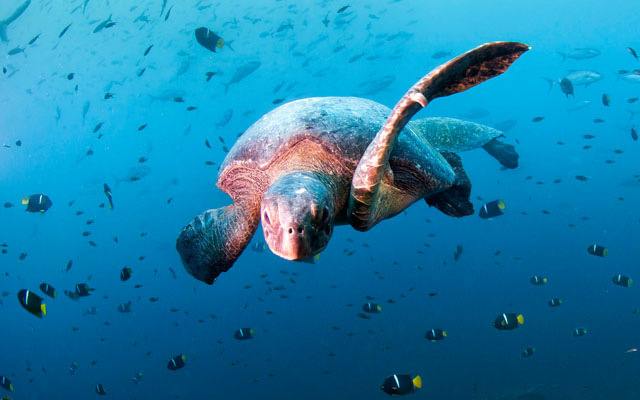
Protecting marine turtles is one of Novotel and WWF’s many initiatives to protect the oceans and promote sustainable tourism; photo by Antonio Busiello, WWF
Novotel’s global brand president, Jean-Yves Minet, highlighted the partnership as a key driver in promoting responsible sourcing, reducing ocean impact, and encouraging sustainable choices that benefit the planet and future generations.
The Sustainable Seafood Principles include banning 350 endangered seafood species, promoting MSC-certified wild-caught fish, and requiring ASC- or organic-certified farmed seafood such as salmon and shrimp. These guidelines will be supported by a global training programme for chefs and procurement teams to improve traceability and responsible sourcing. Meanwhile, Novotel aims to have at least 25 per cent of its menu offerings plant-based by 2026, with 39 per cent of hotels already meeting this target.
Recognising its role as a family-friendly hotel brand, Novotel is also launching two educational games developed with WWF France to engage children in ocean conservation. These interactive games aim to inspire young guests to learn about marine life and the threats facing oceans through fun and engaging activities.
Since launching its ocean impact strategy in 2024, Novotel has taken concrete steps to reduce its environmental footprint by phasing out single-use plastics, installing refillable dispensers, piloting microplastic filters in hotel laundry, and minimising food waste. The brand has also launched a global Fishery Improvement Project in partnership with WWF, supported seafood traceability efforts in the Middle East, and formed a seafood procurement taskforce in Europe to collaborate with suppliers on sustainability.
To further raise awareness, Novotel will introduce Ocean Awareness Training for its teams and Sustainable Seafood Training for chefs and procurement staff, developed in partnership with WWF and AXA Climate. The hotel also supports several WWF France conservation projects, including protecting Posidonia seagrass meadows in the Mediterranean, removing abandoned fishing gear (ghost gear), supporting the Blue Panda educational boat campaign, and tracking and protecting threatened marine turtles across Asia-Pacific and the Western Atlantic.
Looking forward, Novotel plans to expand its sustainable seafood efforts, grow its Plant-Forward menu offerings, introduce new guest engagement programmes focused on ocean preservation, and actively participate in the upcoming UN Ocean Conference in Nice.
Minet said: “Our well-being is deeply tied to the health of the ocean. Protecting the ocean isn’t just about the environment, it’s about supporting human health and longevity too.”
“Protecting the ocean also means protecting our common future. Faced with the growing threats of overfishing, pollution and loss of biodiversity, economic players have a key role to play. We welcome Novotel’s commitment to integrating the preservation of marine ecosystems into its strategy,” added WWF France’s ocean programme manager, Ludovic Frère Escoffier.
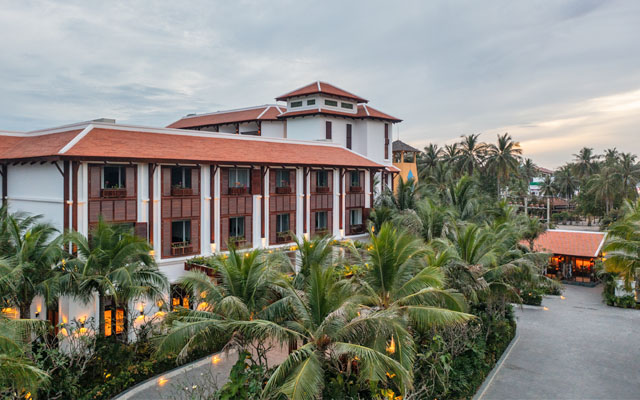
The Anam Mui Ne has joined Virtuoso’s network of hotels and resorts. The resort joins 11 other Virtuoso properties in Vietnam, including the Sofitel Legend Metropole Hanoi and Four Seasons Resort The Nam Hai. It is the only Virtuoso-listed hotel located between the Park Hyatt Saigon and Amanoi in Ninh Thuan province.
Virtuoso is a global network of travel agencies focused on luxury and experiential travel. It includes more than 20,000 travel advisors and partners with over 2,000 travel companies, including hotels, cruise lines and tour operators.
The Anam Mui Ne joins Virtuoso’s global network as its newest vetted member in Vietnam
Virtuoso, based in Fort Worth, Texas, with offices worldwide, connects clients to exclusive travel experiences through its network of advisors. Membership is selective, with hotels admitted only after a vetting process and advisor recommendations.
The Anam Mui Ne is also part of the Small Luxury Hotels of the World and remains the only SLH-listed property in Vietnam.
Located on 1.2 hectares of oceanfront land in Mui Ne, the resort is a short distance from Ho Chi Minh City. It features 127 rooms and suites, two restaurants, a bar, spa, two swimming pools (freshwater and saltwater), ballroom, conference rooms, water sports centre, fitness centre, yoga room, children’s club and shop.
The resort has phased out single-use plastics and introduced environmental measures including solar power, use of local produce and water recycling for gardens. Straws, bags and toiletries are biodegradable, and key cards are made from wood sourced from managed forests.
The Anam Mui Ne founder and owner Pham Van Hien said the resort’s inclusion reflects a shared focus on sustainability.
“It is a privilege for our resort to join Virtuoso. In paying homage to Mui Ne’s Champa culture heritage, by supporting livelihoods in our local community and with a raft of sustainability measures, our resort exemplifies Virtuoso’s three pillars of sustainability – celebrate the culture, support the economy and protect the planet.”
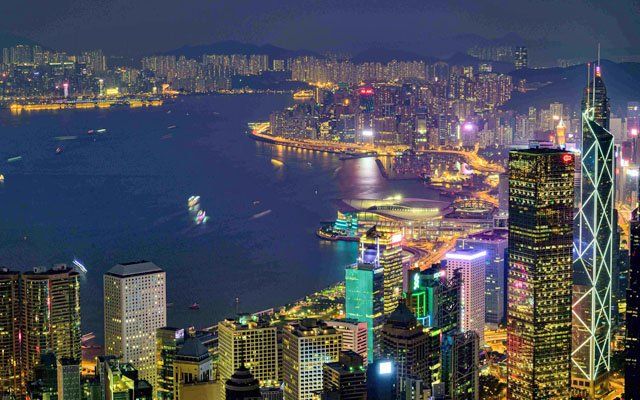
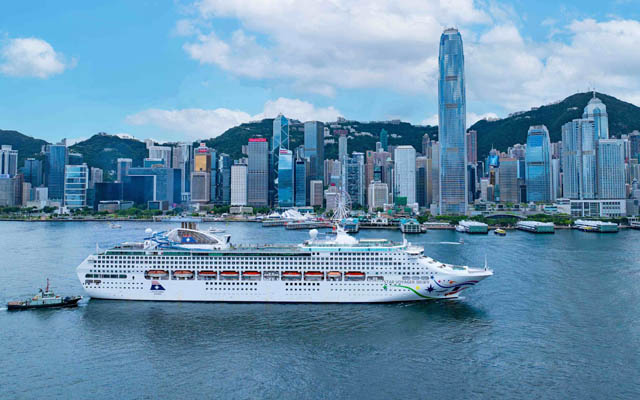
StarCruises will homeport the Star Voyager in Hong Kong starting June 27, 2025, with sailings extended through to November 14, 2025. Departing from Ocean Terminal, a central location with strong transport links, Star Voyager offers two-, three- and five-night cruises to Japan and Taiwan, including Okinawa (Naha and Ishigaki), Keelung, Kaohsiung and Penghu.
The deployment includes roundtrip Taiwan cruises from June 29 to August 13, with three-night Kaohsiung-Penghu sailings on Sundays and two-night Kaohsiung sailings on Wednesdays. Three five-night Okinawa cruises depart July 20, August 3 and 17, calling at Naha and Ishigaki. Two exclusive five-night sailings to Ishigaki, Keelung and Penghu depart on July 27 and August 24, offering access to both Japan and Taiwan on a single itinerary.
Explore Japan and Taiwan with Star Voyager sailings extended from Hong Kong
A two-night High Seas Cruise departs every Friday for a short weekend escape. Onboard, passengers have access to a range of amenities, including suites with private facilities and butler service, plus leisure options such as a water park, rock climbing, live shows and dining choices.
IHG Hotels & Resorts has signed a long-term agreement with Salter Brothers, reinforcing its position in the Luxury & Lifestyle hospitality sector in Australia.
As part of the agreement, several IHG hotels will be rebranded within the group’s luxury portfolio. Regent Hotels & Resorts is set to return to Australia after 28 years, with the InterContinental Melbourne planned to convert into Regent Melbourne by 2030.
InterContinental Sydney Coogee Beach is set to open in late 2025, following the transformation of Crowne Plaza Sydney Coogee Beach
Three hotels will be rebranded under the InterContinental name. Crowne Plaza Sydney Coogee Beach will become InterContinental Sydney Coogee Beach, Crowne Plaza Melbourne will become InterContinental Melbourne, and the Crowne Plaza Canberra site will be redeveloped into InterContinental Canberra. A second hotel on the Canberra site will be developed under the Hotel Indigo brand.
voco Gold Coast, the first voco hotel launched globally and a joint project between IHG and Salter Brothers, will undergo a refurbishment and expansion of its leisure areas.
Under the agreement, InterContinental Melbourne the Rialto will be converted to Regent Melbourne. The site will be redeveloped to include conference and event spaces, restaurants and bars, a spa, and the Regent Club.
Crowne Plaza Sydney Coogee Beach is currently closed and will reopen in late 2025 as InterContinental Sydney Coogee Beach. Planned features include a pool deck with views of Coogee Beach, a wellness facility, Club InterContinental, and a restaurant operated by an international group.
The Canberra site will include InterContinental Canberra with a rooftop lounge, suites with views to Parliament House, meeting and event spaces, a restaurant, and a spa. Hotel Indigo Canberra will also be developed, offering a design focused on local themes.
Crowne Plaza Melbourne will transition to InterContinental Melbourne, including rooftop facilities such as Club InterContinental, a restaurant and bar, and a spa with a bathhouse.
voco Gold Coast will be refurbished and expanded with a new pool deck, bar, and a kids’ club.
IHG Hotels & Resorts currently operates 76 hotels in Australasia across nine brands: Six Senses, InterContinental, Kimpton, Vignette Collection, Hotel Indigo, voco, Crowne Plaza, Holiday Inn, and Holiday Inn Express. There are 26 additional properties in the development pipeline.
Matt Tripolone, IHG Hotels & Resorts managing director, Australasia Pacific, said: “This partnership accelerates IHG’s Luxury & Lifestyle growth in Australia and enables Salter Brothers to reposition key assets and unlock long-term value in this space.
“With three InterContinental properties also on the horizon, and a new hotel, Hotel Indigo Canberra, in our sights, we’re delighted to have cemented our leading Luxury & Lifestyle position in the country.”
Paul Salter, managing director, Salter Brothers, added: “We have a strong history with IHG spanning more than a decade, and are fully committed to our partnership which continues to drive growth for our assets. We look forward to working with IHG throughout the journey of these exceptional hotels, and welcoming domestic and international guests to experience these incredible properties under their new brands in the coming years.”
Marriott International has launched a new brand, Series by Marriott, targeting the midscale and upscale lodging segments. The move is part of the company’s strategy to broaden its global footprint by incorporating established regional hotel brands that adhere to consistent service standards into its Marriott Bonvoy portfolio.
Series by Marriott aims to offer standardised accommodation across a wider range of locations while giving regional hotel owners access to Marriott’s global platforms, including the Marriott Bonvoy loyalty programme. The brand is structured to allow participating hotels to retain their independent identity.
Series by Marriott aims to integrate regional hotel brands into Marriott’s global system, expanding access to its loyalty programme and digital platforms
The brand’s initial rollout begins through a strategic agreement with Concept Hospitality in India, one of Marriott’s priority growth markets. Founded in 1996 by Param Kannampilly, Concept Hospitality manages more than 100 hotels across six brands in 90 locations. Under the agreement, Concept’s core brands – The Fern, The Fern Residency, and The Fern Habitat – will exclusively join Series by Marriott in India. Marriott has also taken a minority equity stake in Concept Hospitality.
The Fern’s current portfolio includes 84 operational properties and 31 pipeline deals, totalling approximately 8,000 rooms. These hotels are expected to join Marriott’s portfolio over time, subject to agreements with third-party owners and the signing of long-term franchise contracts. Concept Hospitality’s majority shareholder is CG Hospitality, the hospitality arm of CG Corp Global.
Series by Marriott properties will focus on essential services and standard amenities, including functional rooms, free Wi-Fi, daily coffee or tea, and breakfast. Select locations will also offer fitness centres and event spaces. The hotels will reflect local character while conforming to Marriott’s global standards for safety and cleanliness. Guests will be able to earn and redeem points through the Marriott Bonvoy programme.
The brand is positioned to integrate regionally relevant hotel brands into Marriott’s system, offering cost-efficient affiliation and access to its global distribution, digital platforms, and a loyalty base of nearly 237 million members.
Beyond India, Marriott is in active discussions with hotel owners in the US, the Caribbean and Latin America, Europe, the Middle East, and Africa regarding future Series by Marriott partnerships.
Anthony Capuano, president and CEO of Marriott International, commented: “Creating a new, regional collection brand will further Marriott’s reach among value-conscious travellers, provide additional choice for our existing Marriott Bonvoy members and guests, and offer more affiliation opportunities for local owners.
“This deal will help meaningfully expand Marriott’s leading position in India, a key market for the company. We see this multi-unit conversion deal as a strong foundation as we look to accelerate growth of the Series by Marriott collection in additional markets around the world.”
“This strategic collaboration underscores our commitment to expanding access to quality hospitality, fostering local economies, and meeting the rising demand for sustainable, comfortable, and accessible stays in emerging markets,” added Param Kannampilly, chairman, Concept Hospitality.
The St Regis Singapore will be going through a multi-phased refurbishment – its first since opening in April 2008. The new interiors are inspired by the nearby UNESCO World Heritage Site, the Singapore Botanic Gardens, and incorporate botanical motifs, natural textures and muted tones, in line with the hotel’s established aesthetic and service standards.
By 4Q2025, all 299 guestrooms and suites will be updated with design elements inspired by the surrounding landscape. Furnishings will include crystal-cut glass lamps, while environmental features such as motion-activated LED lighting and potable water on tap will be introduced.
The St Regis Singapore’s new Tea Room will offer a tranquil setting, with interiors inspired by the beauty of a summer garden
Launching in June 2025, the Tea Room will feature interiors in shades of ivory, teal and blush pink. It will serve the new St Regis Afternoon Tea. The adjacent Patisserie will offer salads, sandwiches, and a selection of pastries and desserts.
The John Jacob Ballroom is also being renovated. Its design references 19th-century European orangeries and includes skylights and mirrored elements intended to shift in effect from day to night. Two LED video walls, advanced lighting, and audio systems will be installed. Five further meeting rooms on Level 1 are scheduled for refurbishment in 3Q2025. The St Regis Bar Singapore is expected to open in August 2025.
“2025 marks a visionary re-articulation of The St Regis’ spirit of innovation; one that not only honours the legacy of the brand, but one that has evolved along with the needs of our luminaries,” said Allen Howden, general manager of The St Regis Singapore. “With this transformation, we will reaffirm The St Regis Singapore as the Best Address in the city for exquisite stays, dining experiences and distinctive meetings and events, complemented by timeless St Regis rituals.”
Hilton has formed a strategic partnership with DiDi ChuXing, a major transportation platform in China, to introduce joint membership benefits across their respective loyalty schemes. The collaboration links Hilton Honors with DiDi Mileage, offering reciprocal privileges aimed at simplifying travel and accommodation for members.
Hilton Honors members will gain access to tier-based benefits on the DiDi platform, such as discounted rides and priority services. DiDi Mileage members, in turn, will receive Hilton Honors status, which includes benefits such as room upgrades, complimentary breakfast, and late check-out.
Hilton and DiDi ChuXing link loyalty programmes to streamline travel and accommodation for members
According to a Hilton survey, members in China place high value on recognition (73 per cent), the overall stay experience (70 per cent), and ease of earning points (67 per cent). The partnership with DiDi ChuXing is intended to address these preferences by providing status-matching and expanding opportunities for members to earn and use rewards.
Hilton has recently entered similar partnerships with Small Luxury Hotels of the World, AutoCamp, and Starbucks China. These arrangements are designed to broaden the ways in which Hilton Honors members can use their points, including for VIP access to events such as sports matches, concerts and cultural festivals.
As of 1Q2025, Hilton operates more than 840 hotels across over 260 destinations in China. DiDi ChuXing provides mobility services to 411 million users in more than 300 cities.
“Through the partnership, Hilton Honors and DiDi Mileage members enjoy elevated everyday experiences and a compelling range of cross-programme benefits. By integrating hospitality and mobility, we are creating a seamless journey from departure to hotel, further elevating the overall stay experience for our members and guests,” said Ben George, senior vice president and commercial director, Asia Pacific, Hilton.
Sun Shu, CEO of DiDi’s China ride-hailing business, added: “With this partnership, users can request a ride with one click when booking and staying at Hilton hotels, while also enjoying shared membership benefits. From faster ride responses to enhanced check-in experiences, we are delivering real added value across the journey – offering a more convenient and comfortable travel experience, from the first mile to check-in.”