Minor Hotels has added four new hotel brands to its portfolio – The Wolseley Hotels, Minor Reserve Collection, Colbert Collection and iStay Hotels.
The move includes the group’s first soft brands and is aimed at supporting its expansion across the luxury, premium and select market segments.
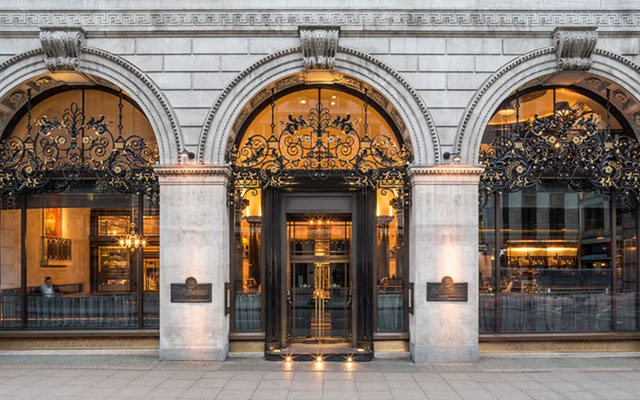
The newly launched brands aim to fulfil evolving traveller and owner needs and drive the hospitality group’s sustainable growth; The Wolseley, London, pictured
The Wolseley Hotels is linked to the Piccadilly-based restaurant and positioned in the luxury segment with British and European influences. Minor Reserve Collection is a luxury soft brand, with properties selected for unique characteristics and a focus on tailored guest experiences. Colbert Collection, a premium soft brand, includes independent hotels with a focus on food-led experiences and social engagement. iStay Hotels targets the select segment, offering affordable accommodation with standardised service and technology features in key cities.
These four new brands join Minor Hotels’ existing portfolio, which includes Anantara, Elewana Collection, Tivoli, NH Collection, Avani, nhow, NH and Oaks. The additions reflect the group’s strategy to diversify its offerings, particularly in the growing soft brand category.
The brand expansion follows the launch of the Minor Hotels master brand in March 2025. This initiative includes investment in digital infrastructure and distribution channels, along with a unified loyalty programme under Minor Discovery. The platform is intended to support future brand development, improve returns for property owners, and streamline the guest experience.
Ian Di Tullio, chief commercial officer of Minor Hotels, commented: “By expanding our brand offering to address new segments, we are empowering our partners, delighting our guests, and accelerating our global growth strategy. These additional brands are instrumental in helping us reach our growth target of 850 properties by the end of 2027.”
Minor Hotels is in active discussions regarding development opportunities for each of its brands. The first property announcements for The Wolseley Hotels, Minor Reserve Collection, Colbert Collection and iStay are expected in the coming months.
Far East Hospitality has expanded its presence in Japan with the launch of two new properties in Osaka under the Far East Village brand.
Far East Village Hotel Osaka, Namba South, and Far East Village Hotel Osaka, Honmachi mark the group’s latest move in its plan to double its portfolio to 2,000 rooms across Japan’s key cities – Tokyo, Osaka, Kyoto and Fukuoka – within the next five years.
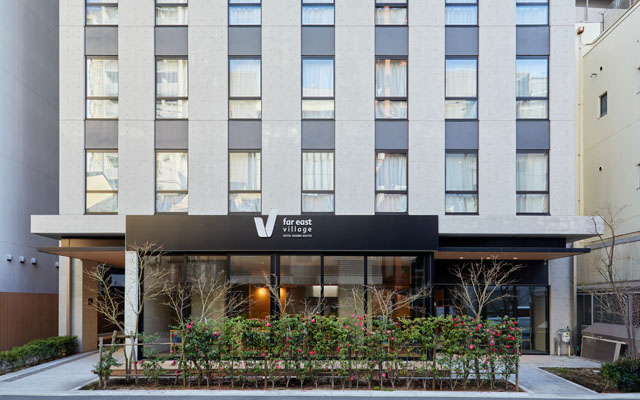
Far East Village Hotel Osaka, Namba South, pictured, offers access to key attractions in the Oku-Namba neighbourhood
The group entered Japan in July 2020 with Far East Village Hotel Tokyo Ariake, followed by a second hotel in Yokohama in June 2021. It added a third property in Tokyo Asakusa in 2023 despite pandemic-related travel restrictions.
With the addition of the two Osaka hotels, Far East Hospitality now operates five hotels in Japan within five years of entering the market.
Japan’s tourism sector has shown sustained recovery since the pandemic. In Tokyo, international visitor arrivals between January and October 2023 were around 12 times higher than the previous year and exceeded pre-pandemic levels by over 34 per cent. The upward trend continued in 2024, with the country recording 36.9 million international visitors, a 47.1 per cent increase from 2023.
The group said its continued expansion is supported by demand from inbound travellers and shifts in preferences toward personalised and culturally focused travel, trends that align with its offerings.
Far East Village Hotel Osaka, Namba South is a 77-room property located in the Oku-Namba neighbourhood, close to attractions such as Namba Yasaka Shrine and Dotonbori. The hotel is within walking distance of Daikokucho and Namba Stations, providing access to the wider Kansai region.
Far East Village Hotel Osaka, Honmachi has 165 rooms and is situated in the Chuo-ku business district near Osaka Castle. Guests can also access Osaka-jo Park and the Minami district from the hotel. A Village Passport guide is available to guests, offering local recommendations on dining, attractions and activities in the area.
“We’re excited to embrace the richness of Japan’s culture and bring our Live Like a Local philosophy to life, inviting travellers to engage meaningfully with what Japan has to offer. With our combined expertise and commitment to authentic hospitality, we look forward to delivering memorable guest experiences and unlocking full potential of these properties,” said Mark Rohner, chief operating officer of Far East Hospitality.
“Our entry into the Osaka market through the acquisition of two centrally located hotels and our partnership with Far East Hospitality for their management marks an exciting milestone in the continued growth of our hotel portfolio. We look forward to working with Far East Hospitality to deliver exceptional guest experiences and further strengthen our footprint in key locations across Japan,” added Benjamin Cho, principal of Anglo Fortune Capital Group.
Visa policy relaxations across South-east Asia are driving a rise in outbound travel among Indian passport holders, according to data from Agoda.
Accommodation searches by Indian users between July and December 2024 for travel between January and May 2025 showed notable year-on-year increases in destinations offering eased entry.
Visa-free access is boosting Indian travel to South-east Asia, with destinations like Malaysia, the Philippines and Sri Lanka seeing sharp rises in interest; Kuala Lumpur, Malaysia, pictured
Malaysia, which introduced visa-free entry for Indian citizens in 2023, saw a 47 per cent increase in searches. Langkawi recorded the largest spike at 118 per cent, followed by Kuala Lumpur (28 per cent) and the Highlands (27 per cent).
Palau, which recently lifted visa requirements for Indian travellers, saw a 49 per cent rise in interest.
The Philippines, which began offering visa-free access in April 2025, recorded a 26 per cent increase. Manila searches rose by 43 per cent, Palawan by 30 per cent, and Cebu by 25 per cent.
Sri Lanka reported a nine per cent increase following its visa waiver for Indian citizens. Search volumes rose significantly for Mirissa (31 per cent) and Nuwara Eliya (16 per cent).
The figures point to a correlation between simplified visa processes and travel interest from India.
Gaurav Malik, country director India, Sri Lanka, and Nepal at Agoda, commented: “The easing of visa restrictions across South-east Asia is a welcome move that resonates strongly with Indian travellers. As barriers to entry fall, we’re seeing a direct impact on travel interest and planning. This new era of accessibility is helping travellers discover not just tourist-favourites like Malaysia, the Philippines and Sri Lanka, but also hidden gems like Palau… we’re excited to see where this heightened accessibility takes Indian tourists next.”
Resorts World Genting and Trip.com Group have signed two agreements to strengthen their strategic partnership and drive travel demand to the resort.
Both agreements, inked with two of Trip.com Group’s core business pillars in Malaysia, capitalises on Trip.com’s global reach. It also reflects both organisations’ commitment to delivering seamless, personalised, and elevated travel experiences for international tourists.
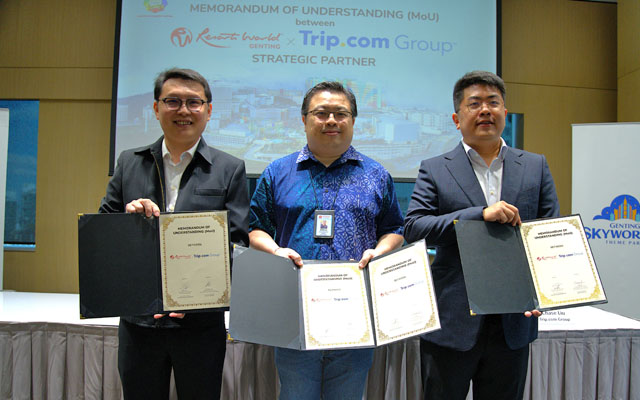
From left: Trip.com Group’s Boon Sian Chai, Resorts World Genting’s Spencer Lee and Trip.com Group’s Chase Liu at the signing ceremony on July 9
A key component of the partnership is the API integration between Trip.com Group and Resorts World Genting’s hotel and theme park booking systems. This enables real-time inventory updates, instant booking confirmations, and rate parity. Trip.com users will have access to exclusive offers and improved convenience when booking visits to the resort.
The agreement also introduces a series of targeted marketing campaigns aimed at increasing international awareness and demand, particularly within Asia. These campaigns, including flash sales and member-only promotions, will leverage Trip.com Group’s traveller data and marketing network to keep Resorts World Genting visible to its user base.
Spencer Lee, executive vice president of sales, marketing and public relations at Resorts World Genting, commented: “This partnership comes at an ideal time. We’ve observed significant growth from both regional and international markets, with double-digit increases in room nights booked through Trip.com, a clear sign that demand world-class travel experiences is not just recovering, but thriving.
“With growing affluence, evolving preferences, and an increased appetite for luxury, entertainment, and convenience, today’s travellers are seeking integrated, one-stop destinations. Together with Trip.com’s cutting-edge technology ecosystem, we can now respond to market shifts in real time – whether it’s pricing trends, seasonality, or evolving consumer behaviour.
“Imagine launching a flash sale across 200 million users within minutes. Or a family booking our school holiday getaway package within seconds after seeing a targeted ad. This is the level of speed, precision, and personalisation we are unlocking. Together, we are not just keeping up with the digital age – we are leading it.”
Boon Sian Chai, managing director and vice president of international markets at Trip.com Group, shared: “Malaysia is a key growth market for Trip.com, and this collaboration reflects our ongoing commitment to supporting its tourism sector.”
Chase Liu, general manager of attractions and tours at Trip.com Group, said bookings for Genting theme parks on Trip.com recorded triple-digit year-on-year growth in 2024.
He added: “We are seeing similar growth levels for 1H2025. Most notably, 60 per cent of these bookings are from international guests, underscoring Malaysia’s increasing appeal as a destination.
“With this partnership delivering faster access and enhanced convenience to our users, we’re confident that this high-speed growth trajectory will continue.”
The integration will also enhance Resorts World Genting’s participation in Trip.com Group’s signature campaigns and flash promotions by allowing automated updates of room rates and availability, ensuring quick responsiveness and dynamic pricing flexibility.
Malaysia Aviation Group (MAG), the parent company of national carrier Malaysia Airlines, has exercised its purchase rights for 20 additional A330neo aircraft through a direct order with Airbus – reaffirming its commitment to a long-term strategy for fleet renewal and network development.
With this latest acquisition, Malaysia Airlines is set to become one of the largest A330neo operators in the Asia-Pacific region, strengthening its position as a leading premium airline in one of the world’s fastest-growing travel markets.
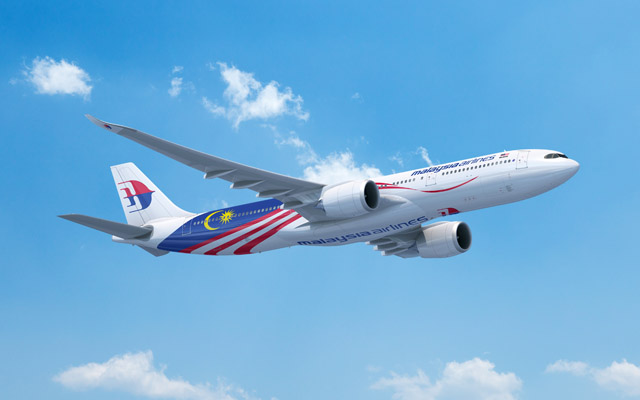
Malaysia Aviation Group deepens commitment to fleet renewal with new A330neo order
This new order builds on MAG’s initial commitment in 2022 for 20 A330neo aircraft – comprising 10 directly purchased and 10 leased from Avolon – bringing the group’s total A330neo commitment to 40 aircraft to date. Deliveries from this additional batch are scheduled between 2029 and 2031.
The expanded widebody fleet will enhance connectivity and drive network development across key markets in South-east Asia, China, India, and Australasia.
The A330neo remains a cornerstone of MAG’s fleet modernisation programme, enabling the group to serve high-growth markets more efficiently while enhancing the overall travel experience. The aircraft features the latest cabin design, including an all-suite Business Class with sliding privacy doors, full-flat beds, and direct aisle access. Across all cabin classes, passengers will enjoy refreshed interiors, next-generation seating, and the latest in-flight entertainment system – delivering a consistently premium journey in line with Malaysia Airlines’ service standards.
Izham Ismail, group managing director of MAG, said in a press release: “The A330neo continues to deliver the right balance of operational efficiency, range, and cabin comfort to support our network and growth strategy. With its enhanced fuel efficiency and flexibility across both regional and longhaul routes, the aircraft is a strong fit for our evolving market needs. It also allows us to offer a product that aligns with our premium positioning – streamlined, modern, and designed around passenger comfort and expectations.
“This additional order reinforces our long-term vision of building a future-ready fleet that supports sustainable growth, delivers consistent value to our passengers, and strengthens our competitiveness in key markets.”
Benoît de Saint-Exupéry, executive vice president sales of the commercial aircraft at Airbus, added: “This repeat order is a strong endorsement of the A330neo’s exceptional performance, fuel efficiency and passenger comfort, as well as a testament to the aircraft’s popularity among the world’s premium airlines.”
To date, MAG has taken delivery of four A330neo aircraft, currently operating on selected services to Auckland, Melbourne, and Bali. Six more are scheduled for delivery by the end of the year, with the remaining aircraft from the original order set to arrive progressively through to 2028.
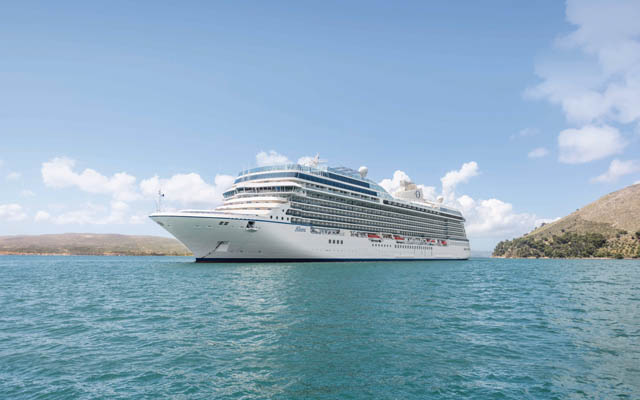
Oceania Cruises has taken delivery of Oceania Allura, its eighth vessel, from the Fincantieri Shipyard in Genoa. The 1,200-guest ship is the second in the line’s Allura Class and follows Oceania Vista, launched in May 2023.
Oceania Allura introduces new dining venues and menu items, which will also be rolled out across the fleet through late 2025 and early 2026. Additions include the Crêperie, offering French crêpes, Belgian and bubble waffles, and Italian-style ice cream desserts.
Oceania Cruises has confirmed an existing ship order for two additional Sonata Class Vessels; photo by Oceania Cruises
The ship also features an updated version of Jacques, the line’s French restaurant named for chef Jacques Pépin, with new menus and tableside preparations. The pan-Asian restaurant Red Ginger now includes 12 Japanese-Peruvian fusion dishes, reflecting the Nikkei cuisine style. These include tuna ceviche with leche de tigre, braised short rib with lomo saltado and miso sweet potato mousseline, and soft-shell crab tempura served in soft buns.
The Grand Dining Room offers more than 270 new dishes created by Oceania’s culinary team, including over 30 additions to the breakfast menu such as new variations of eggs Benedict.
A new wine pairing experience, the Gerard Bertrand Wine Pairing Luncheon, will debut with Oceania Allura, featuring curated pairings selected by sommeliers.
Oceania Allura will be followed by the launch of Oceania Sonata in summer 2027 and Oceania Arietta in 2029. Each Sonata Class ship will carry approximately 1,390 guests and measure around 86,000 gross tons.
“Oceania Allura is our most innovative and luxurious ship to date. She represents our bold vision for an entirely new generation of luxury travel experiences. As always, at the heart of this beautiful ship is an extraordinary crew dedicated to providing exceptional cuisine, personalized, intuitive service and immersive enrichment opportunities for our guests,” said Jason Montague, Chief Luxury Officer of Oceania Cruises.
Oceania Cruises has also confirmed the addition of two further Sonata Class vessels, previously on option, scheduled for delivery in 2032 and 2035.
“I am delighted to confirm we will be adding two more Sonata Class vessels to our fleet. These four Sonata Class ships will herald the next stage in the evolution of the Oceania Cruises brand of exceptional small-ship luxury experiences,” he added.
Travel loyalty subscription programme Accor Plus has named Emilie Couton as its new CEO. With over 24 years of experience at Accor and D-Edge Hospitality Solutions, Couton brings deep expertise in loyalty, digital marketing, distribution, and commercial strategy.
Based in Asia for more than two decades, she has played a key role in expanding Accor’s regional footprint and driving innovation across the group. Most recently, she served as managing director, Asia Pacific, at D-Edge. In her new role, Couton will lead Accor Plus into its next phase of growth, focusing on enhanced personalisation, value, and member experiences.
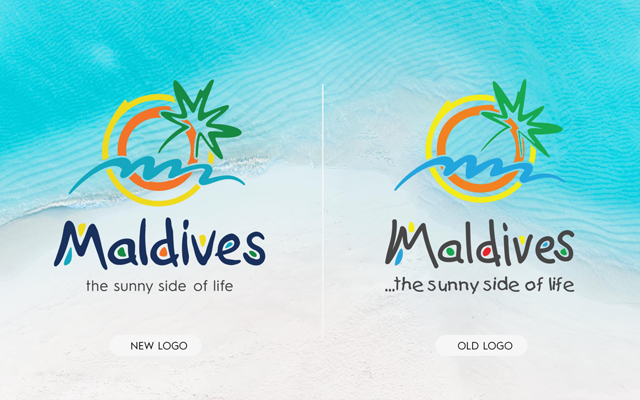
The Maldives Marketing and Public Relations Corporation is now known as Visit Maldives Corporation – a name change that reflects the importance of prioritising destination branding, tourism marketing, and global engagement under a unified identity.
At the same time, an updated logo and revised brand identity have been rolled out to create a more consistent and unified visual presence across all platforms.
The new brand guidelines prioritise clarity and destination-focused imagery
The revised logo features slight adjustments to colour tones and a more prominent logotype to improve visibility, particularly in high-exposure areas such as outdoor advertising. While the overall appearance remains familiar, the modifications aim to strengthen recognition and consistency.
Accompanying the logo update are revised brand guidelines, which include updated fonts and simplified design elements. Greater emphasis has been placed on destination-focused imagery, with reduced use of additional graphics to support a cleaner and more cohesive visual style.
The Luxury Group by Marriott International’s latest research into luxury travel motivations, titled The Intentional Traveler, will influence the company’s decisions on staff training, the curation of guest experiences, and strategic decisions on property development.
The Intentional Traveler details how high-net-worth (HNW) travellers in Asia-Pacific are recalibrating how, where, and why they travel – prioritising well-being, immersive experiences, emotional value, and intentional design over volume and extravagance.
Montal: we are responding with efforts to introduce holistic wellness at our JW Marriott hotels
Discussing the findings with TTG Asia, Oriol Montal, regional vice president, luxury, Asia Pacific excluding China, Marriott International, said: “Our report helps us understand these behavioural changes, allowing us to then make the shifts that are necessary to better anticipate guest needs.”
Montal acknowledges that responding to these trends can result in both immediate outcomes and a harvest that requires time to show.
He said Marriott International has been able to respond quickly to the invaluable wellness tourism trend. It will launch in September a wellness series that will be led by wellness practitioners, allowing guests to enjoy a wellness retreat for a number of days.
“We are responding with efforts to introduce holistic wellness at our JW Marriott hotels. The JW Marriott Hotel Tokyo, for example, is exploring a Mindful Room concept designed to nourish the mind, body, and spirit through calming design, wellness rituals, and sensory experiences,” he revealed.
JW Marriott Hotel Tokyo, opening this October, will be the first JW Marriott property to offer this concept.
Quick action has also been possible with F&B trends. Having earlier observed the influential power of dining experiences in travel, the Luxury Group by Marriott International launched the Luxury Dining Series last year. It is a regional culinary programme held across six destinations.
The Luxury Dining Series returns this year with seven destinations – the new addition being South Korea, where the event will be held at JW Marriott Jeju Resort & Spa. The full series will run from July to September 2025.
Marriott International’s greater investments in F&B offerings are also in response to report findings that travellers are balancing high energy days with slow and relaxing nights.
The number of travellers who pack their days with activities has surged from 48 per cent to 61 per cent year-on-year. When evening arrives, more travellers now prefer to spend their time in their hotels – up from 19 per cent last year to 28 per cent in 2025.
“This encourages us to invest even more on F&B, particularly in creating phenomenal experiences with local chefs for our guests who are resting in our facilities,” he explained.
“Some decisions, however, can take years to materialise. One good example is the trend in multi-generational travel, which we saw years ago and reacted by planning new hotels with three- to five-bedroom options. That has allowed us to welcome multi-generational groups today,” he said.
Similar long-term development outcomes will be seen in the company’s move into the space of luxury lodges and camps – a reaction to the growing love for nature and wildlife among affluent travellers.
The report noted that luxury travellers in 2025 are increasingly prioritising meaningful connection to the outdoors. From vineyard retreats to remote safaris, nature-driven travel is evolving from a niche interest into a core pillar of the luxury experience. Twenty-eight per cent of respondents are planning such trips this year, up from just 19 per cent in 2024.
The appetite for natural beauty extends to safari travel, with 30 per cent of respondents planning a wildlife-focused adventure.
Montal said: “We extended our portfolio into tented camps and lodges, starting with JW Marriott Masai Mara Lodge in Africa, a couple of years ago. This was followed by the signings of The Ritz-Carlton, Masai Mara Safari Camp and JW Marriott Mount Kenya Rhino Reserve Safari Camp earlier this year. We are super excited about getting the first tented camps in The Ritz-Carlton portfolio as well as developing great hotels in the middle of beautiful nature.”
He added that Asia-Pacific’s outdoor-loving travellers need not travel far to enjoy nature in luxury – the new Ta’aktana, a Luxury Collection Resort & Spa, Labuan Bajo in Indonesia offers guests a chance to experience the traditions and culture of Flores island. Labuan Bajo is also a gateway to Komodo National Park.
Singapore Airlines (SIA) Group and Mandai Wildlife Group have launched a three-year strategic partnership to promote Singapore as a travel destination, create exclusive customer experiences, and support wildlife conservation efforts.
The collaboration aligns with Singapore’s vision as a City in Nature, using the Mandai Wildlife Reserve as a key attraction. SIA customers will have access to curated wildlife experiences, exclusive co-branded retail items, and special benefits at the Mandai Wildlife Reserve, which includes Singapore Zoo, Night Safari, River Wonders, Bird Paradise, and Rainforest Wild Asia.
Conservation and travel connect in new SIA-Mandai collaboration; Fragile Forest in Singapore Zoo, pictured; photo by Mandai Wildlife Group
The partnership also includes collaboration on conservation initiatives. SIA will provide air travel sponsorships and logistical support, including animal transfers between wildlife parks and zoos worldwide, as well as repatriation of wildlife to native habitats.
Visitors can access privileges and promotions through Pelago, SIA’s travel experiences platform, and purchase co-branded merchandise on KrisShop and at Mandai Wildlife Reserve retail outlets.
KrisFlyer members will receive special promotions for two new indoor attractions, Curiosity Cove and Exploria, located in Mandai’s eastern cluster. Benefits include bonus miles on ticket purchases via Pelago and miles redemption options for experiences such as Colugo Camp, an all-inclusive camping experience launching in 3Q2025, which also includes a mystery gift.
Starting August 2025, SIA will feature Mandai Wildlife Group content on its KrisWorld in-flight entertainment. The programming includes The Great Migration: First Steps and New Eden, a two-part documentary about relocating Jurong Bird Park’s birds to Bird Paradise.
Vinod Kannan, senior vice president sales and marketing, Singapore Airlines, said: “This partnership strengthens our ability to offer our customers enhanced benefits, while supporting wildlife initiatives in Singapore and around the world. Combining the Singapore Airlines Group’s global reach with Mandai’s world-class wildlife attractions helps to enhance Singapore’s appeal as a leading global tourist destination.”
Belina Lee, deputy CEO, transformation and growth, Mandai Wildlife Group, added: “Two iconic Singapore brands have joined forces to create world class experiences for global travellers, that also champion conservation. Every visit supports conservation in our wildlife parks, across Singapore and the region. Together with Singapore Airlines, we are excited to create exceptional ‘Conservation Included’ journeys where travellers can fly, stay, play and explore – right here in Singapore, a true City in Nature.”




 Based in Asia for more than two decades, she has played a key role in expanding Accor’s regional footprint and driving innovation across the group. Most recently, she served as managing director, Asia Pacific, at D-Edge. In her new role, Couton will lead Accor Plus into its next phase of growth, focusing on enhanced personalisation, value, and member experiences.