Top News
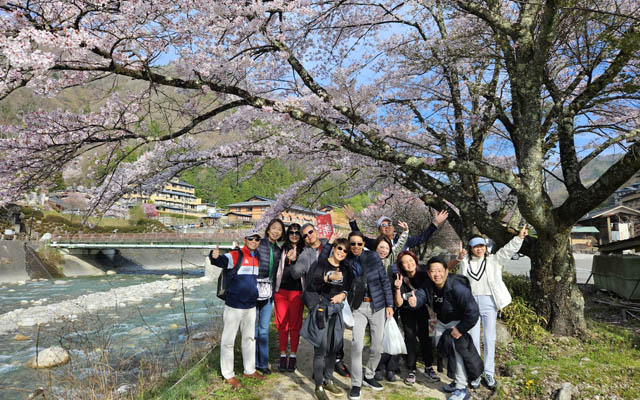
Sliding yen sparks joy in Singapore holiday seekers
As the Japanese yen continues to languish near a 34-year low, standing at 154.67 yen to one US dollar as of April 17, moods...


Editor's Picks



Photo of the Day

A cannon welcome
Scoot's first E190-E2 touched down at Singapore Changi Airport yesterday, and was greeted with a water cannon salute upon arrival.
Named Explorer 3.0, the aircraft is...
TTG Opinion

Ready for change
The purpose of innovation needs clarity and buy-in from all levels and users, so as to avoid fear and suspicion of technology coming in to replace jobs held by humans
Something To Think About
“The challenge with training is that the business environment will keep evolving, so people must not only learn new skills but also how to keep expanding their sources of information, build their network, and cope with changes that come their way.”
– Tay Ee Learn, chief sector skills officer, NTUC LearningHub, Singapore
Newsmaker
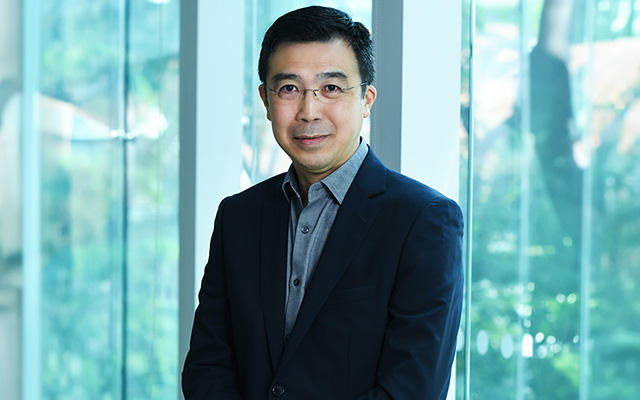
Developing people power
The travel and tourism business is more than just delivering good service; its success calls for leaders to monitor shifts in the marketplace and invest ahead in talent development for productivity, opines Tay Ee Learn, chief sector skills officer at NTUC LearningHub, who adds that industry players in Singapore have an advantage in the continuing education journey
Travel Technology

Expedia Group adopts Amadeus NDC technology
Amadeus has teamed up with Expedia Group to deploy New Distribution Capability (NDC) technology...
Intelligence

Skyscanner reveals travel insights for 3Q2024
Skyscanner’s latest Horizons report shared insights into booking windows, destination choices, and trending destinations...
Appointments

Bert Hernandez takes over as president of Silversea
Royal Caribbean Group’s president Barbara Muckermann will depart Royal Caribbean Group after 14 years...
Fresh Eyes

New community for adventure-seekers takes shape in Singapore
Three avid explorers have come together to form 3Playtopia, a made-in-Singapore community-based platform that...
Gallery


Hot Jobs
Looking for fresh talent in your organisation? Or contemplating your next career move?
Let us help you with your search. Contact us for more information.